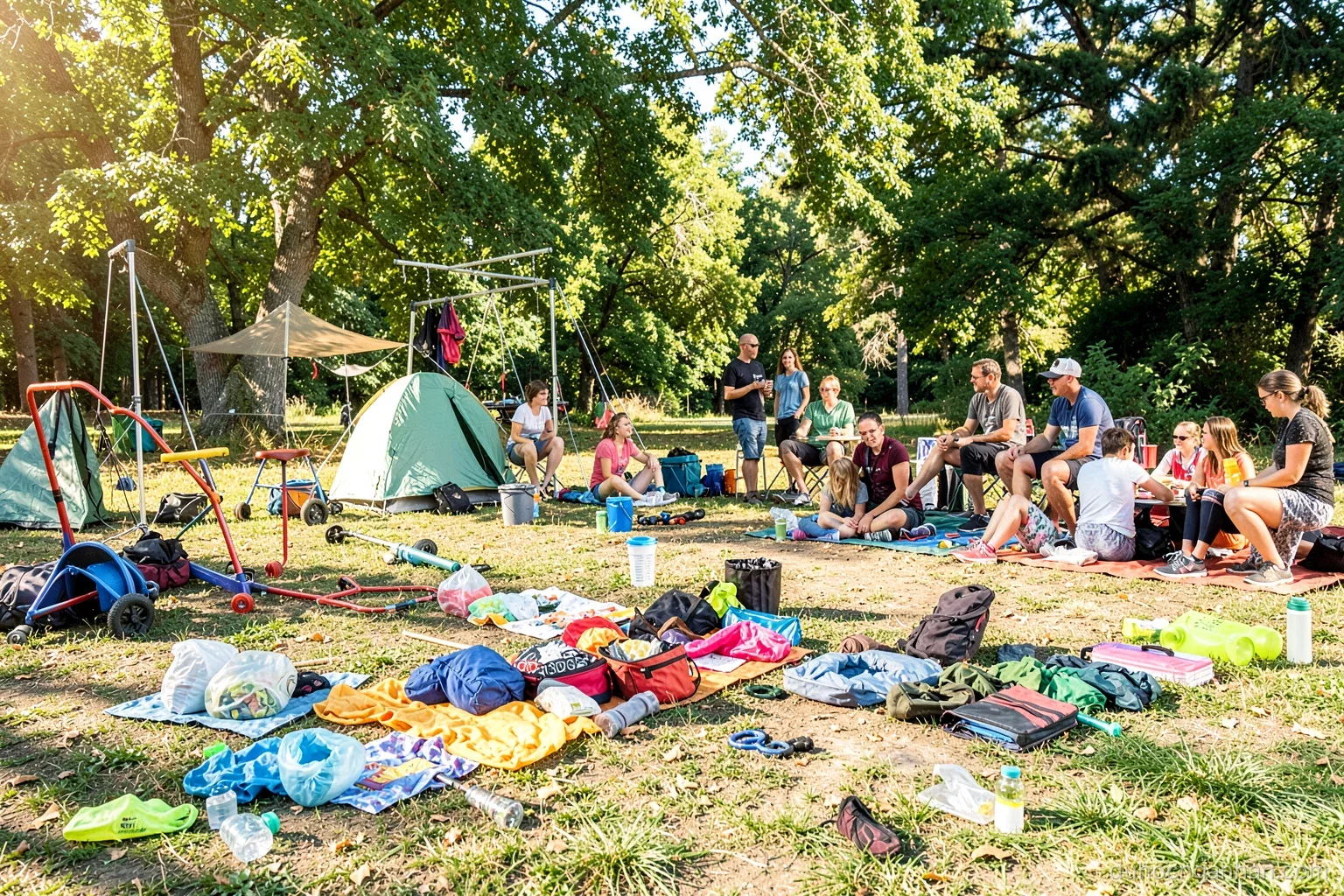
Weekends at a residential English camp in the Philippines usually have two rhythms: Saturday is a group outing to a water park, the beach, an amusement park or a shopping centre; Sunday is a rest day at camp for sleeping in, laundry, tidying rooms, calling home and getting ready for the new week. The children always go out in groups, led by adults, with set meeting times and rules on phones and pocket money.
For many children, the weekend outing is the most eagerly awaited part of the whole camp season, and also the first time they use English with people outside the camp. This article describes the common kinds of outing, the safety rules, Sundays at camp, pocket money and the questions parents should ask in advance.
Common kinds of outing
The most popular kind is water parks and amusement parks, because they suit the hot climate and every age. Camps in Central Luzon often have destinations around Clark and the Subic Bay area; camps in Cebu have the sea and nearby islands. The children spend the whole day on slides and in the water, eat lunch together and get back to camp before dinner.
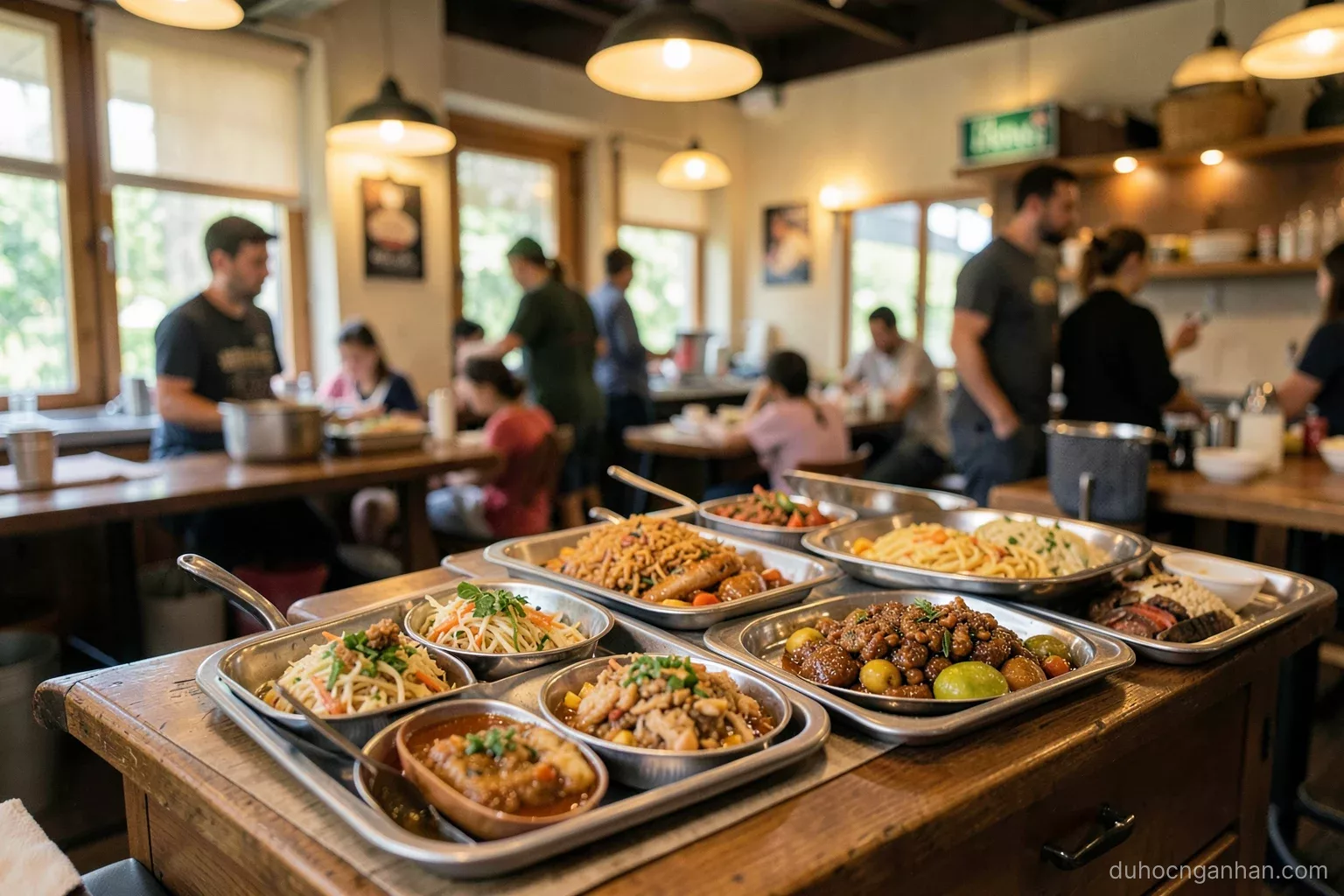
The second kind is the shopping centre. It sounds ordinary, but for the children it is the most real English practice: asking prices, asking about sizes, ordering food, paying and exchanging items. Many camps let the children go in small groups with an adult, each group with a small task such as buying exactly one item from a list.
The third kind is a cultural or nature outing, or a volunteering activity: visiting a heritage site, a farm, a local school, or helping out for a session at a community centre. These trips are less lively but leave a lasting impression, because your child meets the real life of Filipinos outside the campus.
The specific outing schedule changes with each session, each camp and the weather, so look at the actual schedule the camp sends rather than relying on photos from previous sessions.
Safety rules when going out
Going in groups and in pairs. The children are divided into small groups, each with an adult in charge, and within each group they are paired up to keep an eye on each other. Even going to the toilet or buying water is done in pairs; nobody goes alone.
Head counts at every transition. Getting on the coach, getting off, going through the entrance, leaving, after lunch: the adult in charge counts everyone before moving on. Children are told that if they get lost, they should stay still in a busy place, find a member of staff at the venue, and not go with strangers.
Identification. Many camps have the children wear shirts of the same colour or a badge when going out, so adults can recognise them easily from a distance. The badge usually shows the camp's name and a contact number, not your child's detailed personal information.
Fixed meeting times. Each area has a clear meeting time and point. Being late affects the whole group, so many camps have some form of reminder for children who are late.
Water areas and the sea. At water parks and beaches, the children only go into the water in lifeguarded areas, within sight of the adults. When warning flags are up or the waves are big, water activities stop.
Sundays at camp
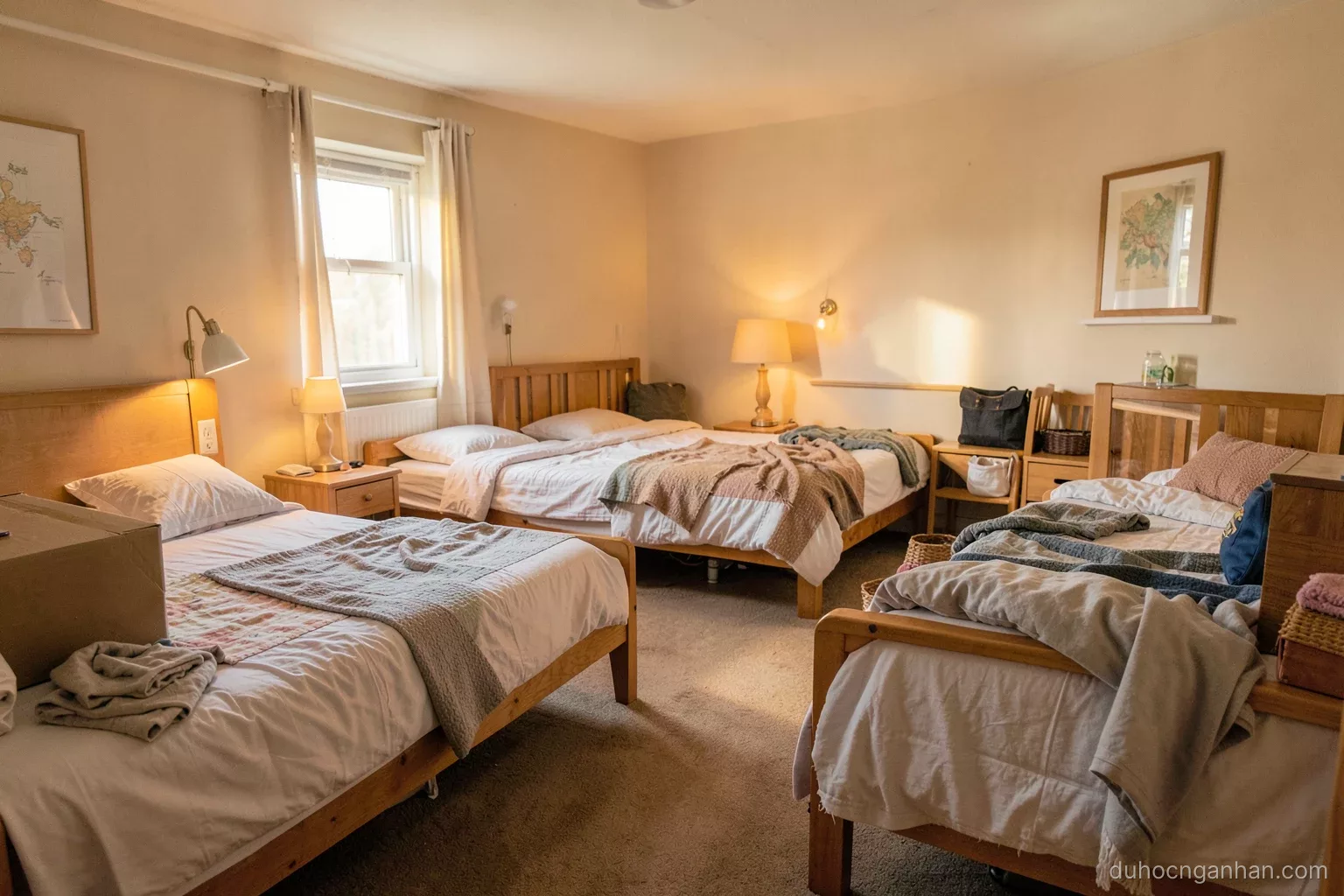
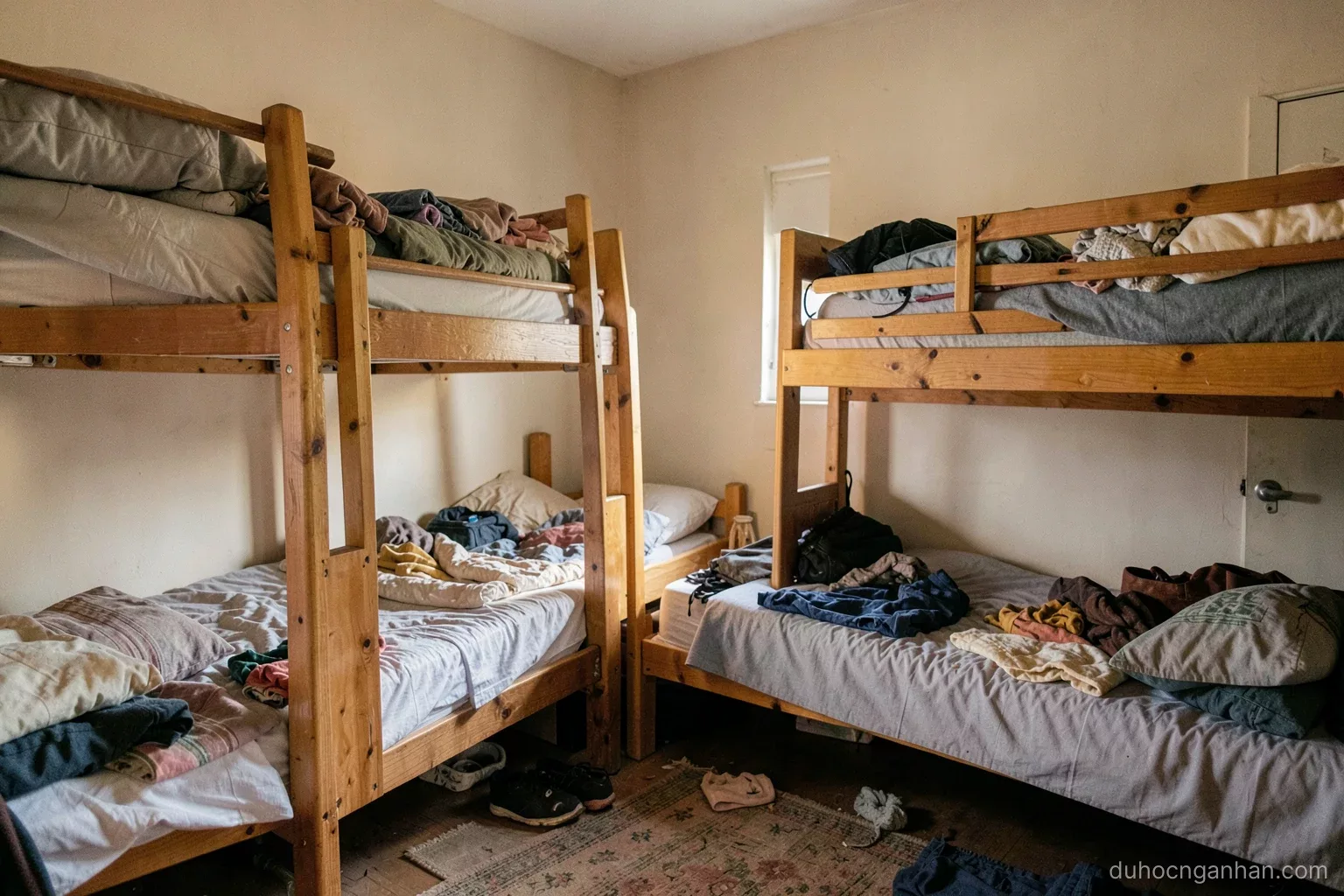
After a week with a busy schedule and a Saturday of playing flat out, Sunday at camp is usually much slower. Many places let the children sleep in a little longer than on weekdays, with a longer breakfast. The morning is for personal tasks: washing clothes or sending laundry according to the camp's rules, tidying the wardrobe, changing the bedsheets, reorganising study materials.
This is also the day the children are allowed their phones for the longest time in the week, so it is a good chance for a long video call with the whole family. Arranging a fixed time slot every Sunday means your child does not have to choose between calling home and playing with friends.
In the afternoon, some camps organise light activities such as film screenings, group games or small talent shows; others leave free time on campus. In the evening the children usually return to the routine: self-study, revising vocabulary and preparing for the test at the start of the week.
Sunday is a day when children easily feel homesick, because the pace slows down and there is time to think. If your child feels sad on this day, it is a normal reaction. A warm call and a small plan for the week ahead are usually enough for your child to cheer up.
Pocket money: what it is used for and how it is kept
Pocket money at camp usually does not have much to pay for, because most living costs are already included in the programme. The table below lists the common items so parents can ask the camp to clarify:
| Item | Usually | Worth asking the camp |
|---|---|---|
| Snacks and drinks at camp | Bought at the counter or a small shop on campus | Cash or a top-up card, and who holds the money? |
| Lunch and drinks on outings | Some trips include meals, others are paid individually | Which trips include food and which do not? |
| Souvenirs | Bought at shopping centres or tourist areas | Is there a spending limit, and who keeps the items? |
| Extra ride tickets | Some venues charge separately for certain rides | Can my child go on rides outside the package? |
| Laundry, missing personal items | Included in the package or charged separately, depending on the camp | Where can extra sunscreen and soap be bought? |
The common way of keeping money is to leave it with the camp or the group leader, who hands out a portion to your child each week, or to use the camp's top-up card. Letting your child keep a large sum in their room is the easiest way to lose it.
Teaching your child to manage money during the weeks at camp
Pocket money at camp is a real exercise in managing money, with real money, in a safe environment. A simple approach:
- Before leaving, work out with your child what one peso note is worth in Vietnamese money, and roughly how much a few familiar items such as a bottle of water or an ice cream cost, as a reference.
- Divide the total by week, make clear how much your child can spend each week, and which part is set aside for souvenirs in the final week.
- Give your child a small notebook, or use the notes app on their phone, to record every expense, then talk it over in the Sunday call.
- Agree in advance what your child can decide alone and what needs asking the parents, for example any item above a certain price.
- If your child runs out early, do not rush to send more. A week without snacks is a gentle lesson that is long remembered.
Do not choose the amount of pocket money based on what friends have. Ask the camp what amount is usually enough for the items above, then adjust it according to how your family wants your child to spend.
When an outing is postponed or your child does not want to go
Weekend outings may be postponed because of storms, road conditions or a venue closing unexpectedly. A well-run camp will inform parents, explain the reason and have alternative activities on campus. A postponed outing may be moved to the following week or replaced with another destination, depending on the policy.
Sometimes your child does not want to go because they are tired, uneasy about crowds, or upset with a friend. Each camp handles this differently: some let the child stay at camp with a member of staff, others require the whole group to go because there are not enough people to stay behind. Ask in advance, especially if your child gets travel sick or has a health problem.
If your child regularly does not want to go on outings, even though they were very keen before, it may be a sign that something is wrong at camp. Ask your child gently, and message the group leader so the people near your child can keep a closer eye on them.
On the other hand, some children just want to stay at camp because they like quiet and reading, and are still cheerful in every other activity. That is personality, not a problem. If the camp allows it, letting your child choose to stay a few times is fine; if not, talk with your child about a part of the trip they might enjoy, such as taking photos or trying a new dish.
English with people outside the camp
Inside the camp, teachers and staff are used to speaking slowly and guessing what pupils mean. Outside, shop assistants, ticket collectors and waiters speak at normal speed, sometimes mixing in Tagalog, and do not have time to wait for your child to think. The first time, many children get flustered, hand over money and stand silent, or ask a friend to speak for them.
Experienced group leaders usually turn the outing into a small exercise: each child orders their own food, asks the price of an item and asks the way to the toilet themselves. The adults stand nearby and do not do it for them. After two or three outings, the children are far more confident, having experienced that people outside understand them even when their sentences are not perfect.
Filipinos are generally friendly and patient with foreigners speaking English, so it is a fairly comfortable environment to practise in. Remind your child to use "please" and "thank you", and if they do not hear clearly, to ask again politely rather than nodding along. When they come home, what many children talk about most is not the rides but the first time they bought something they wanted by themselves in English.
A bag for a day out
Weekend outings usually last all day, in the sun or in sudden rain. A small rucksack packed on Friday evening means your child does not miss anything important:
- A named water bottle, filled before boarding the coach.
- A hat, sunscreen, and a thin sun-protective jacket or a folded raincoat.
- Swimwear, a small towel and a set of dry clothes if going to a water park or the beach, with a bag for wet things.
- The pocket money handed out for that day, in a zipped pocket.
- The camp card with contact numbers, and a slip of paper with the group leader's number in case the phone battery runs out.
- Personal medicine as prescribed, and travel sickness medicine if your child gets travel sick.
Do not take the passport, valuables or large sums of money on outings unless the camp requires it. The group leader usually keeps passport copies for the whole group.
Frequently asked questions
Are weekend outings included in the programme, or do they cost extra?
It depends on the camp and the package. Some include fixed outings, others charge separately or have optional trips. Ask in writing in advance: which outings are included, whether entrance tickets and lunch are included, and which trips cost extra.
Can my child go out of the camp alone?
For pupils under 18 at a residential camp, almost never. The children only go out in groups accompanied by adults. If a camp lets children go out on their own, parents should ask carefully which ages this applies to and what signatures are needed.
My child gets travel sick. Will long outings be all right?
Tell the group leader in advance so your child can sit at the front, near a window, and bring travel sickness medicine as advised by a doctor. Some outings involve long journeys, so prepare sick bags, water and light snacks.
Should my child take a payment card?
For young children, a small amount of cash held by the camp is enough. Older children can use a prepaid card with a limit, with transaction notifications sent to the parents. Do not let your child hold an unlimited card or a large amount of cash.
What if my child buys so many gifts that they cannot take them home?
Remind your child in advance about the baggage allowance for the flight home. Many camps advise the children to buy gifts on the last outing, with an adult looking over them. Light, small, unbreakable gifts such as keyrings, handicrafts and packaged sweets are a safe choice.
Can my child go out on a Sunday with relatives living in the Philippines?
Some camps allow it if the parents register in advance in writing, the person collecting your child has their identity confirmed, and they bring your child back on time. Rules vary a lot, so ask the camp early rather than arranging it directly with your child.