An international summer camp is a short programme, usually one to eight weeks long, held abroad during the holidays, where your child lives, takes part in daily activities and follows one main theme alongside pupils from many countries, under the supervision of camp staff. The main theme may be language, but it can also be science and technology (STEM), a sport, the performing arts, leadership skills, outdoor adventure, or simply the experience of living at a boarding school. English at these camps is the language of daily life, not necessarily a subject.
For Vietnamese parents, the most useful way to classify camps is not by country but by a question: what will my child spend most of the day doing, and who will be beside them at the time. This article goes through the common groups of camps, how to recognise a camp with real expertise, the ages and English levels camps usually ask for, and how to think of an international summer camp as your child's experience rather than an educational product.
How an international summer camp differs from a camp in Vietnam and from a language course
A summer camp in Vietnam, even one with overnight stays, takes place in surroundings your child knows: the same language, the same food, the same time zone, and parents who can drive over within a few hours. A camp abroad takes away almost all of those supports at once. Your child has to ask in English when they have a stomach ache, has to make sense of rules written for pupils from many countries, and has to eat meals cooked for different tastes. That very "strangeness" is part of a camp's value, and it is also the part that needs the most careful preparation.
Compared with a summer language course abroad, where the mornings go to language classes and the afternoons to side activities, a themed international summer camp puts its main subject at the centre. A football camp has coaches and a training plan; a science camp has laboratories and projects; a drama camp has a performance at the end. English follows the activity: your child learns the vocabulary of that subject because they need it straight away, not because there is a test.
The line between the two types is not always clear, because many camps combine both: language in the morning, the specialist theme in the afternoon. Reading carefully how many hours go to each part in the weekly schedule is the only way to know which programme you are buying.
Common groups of international summer camps for pupils aged 8–17
The table below gathers the types of camp that appear most often in admissions material. Each group has its own article in this topic; here the aim is only to see the overall picture and choose a direction for further reading.
| Camp group | What your child does most of the day | Main instructors | Suits your child if |
|---|---|---|---|
| Language camp (ESL/EFL) | Language classes by level, afternoon activities, excursions | Language teachers | The first goal is to communicate with confidence |
| STEM and technology camp | Robotics, coding, experiment and design projects | Subject specialists, student teaching assistants | Your child already loves an area of science and is happy working in a team |
| Sports camp | Two training sessions, friendly matches, recovery | Coaches qualified in the sport | Your child already plays a sport regularly and wants structured training |
| Arts camp | Specialist classes, rehearsals, an end-of-course performance or exhibition | Artists, arts teachers | Your child loves the stage, music, visual art or filmmaking |
| Leadership and skills camp | Model United Nations, debating, start-up projects | Facilitators, skills instructors | Your child is older, enjoys arguing a case and is willing to read in preparation |
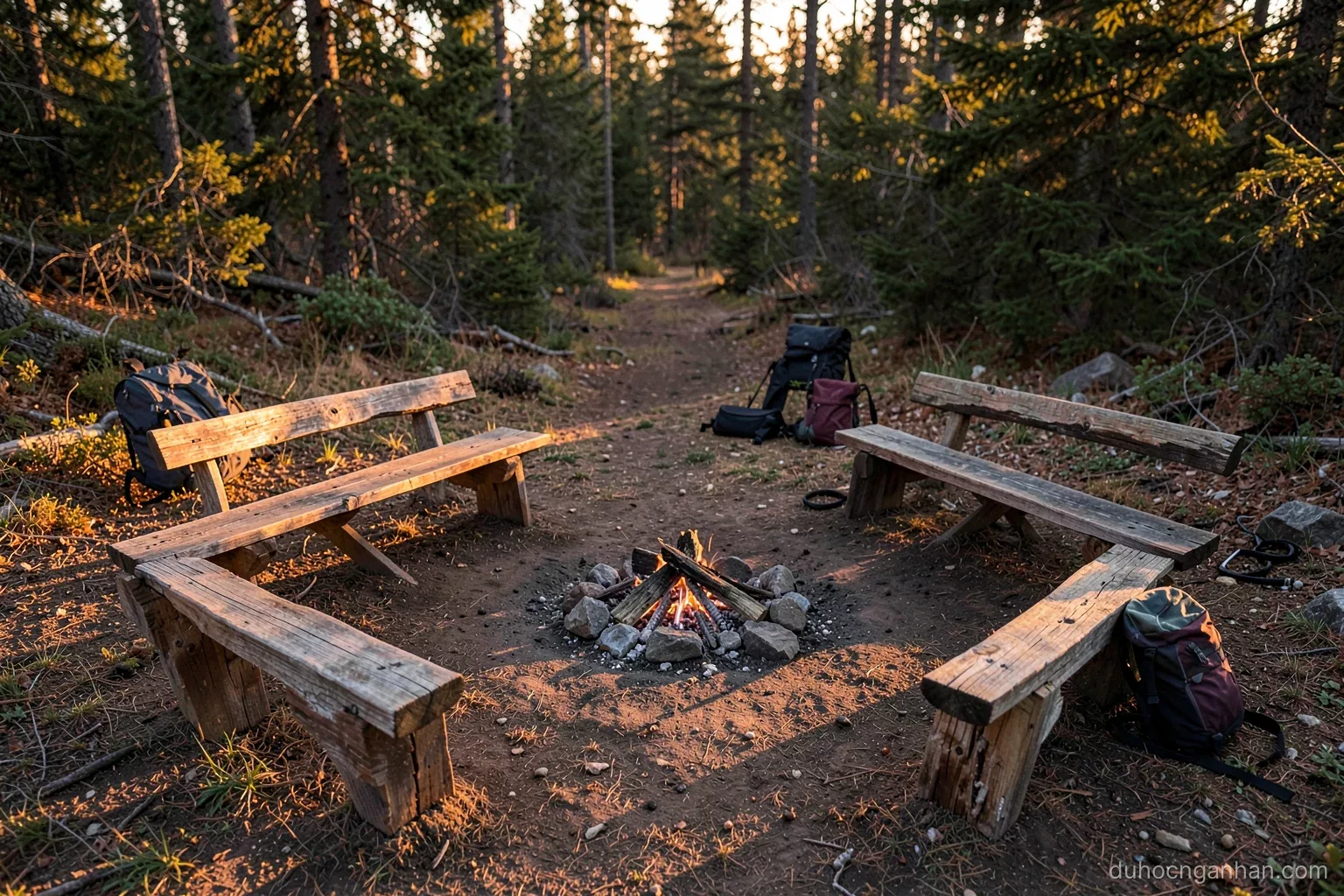
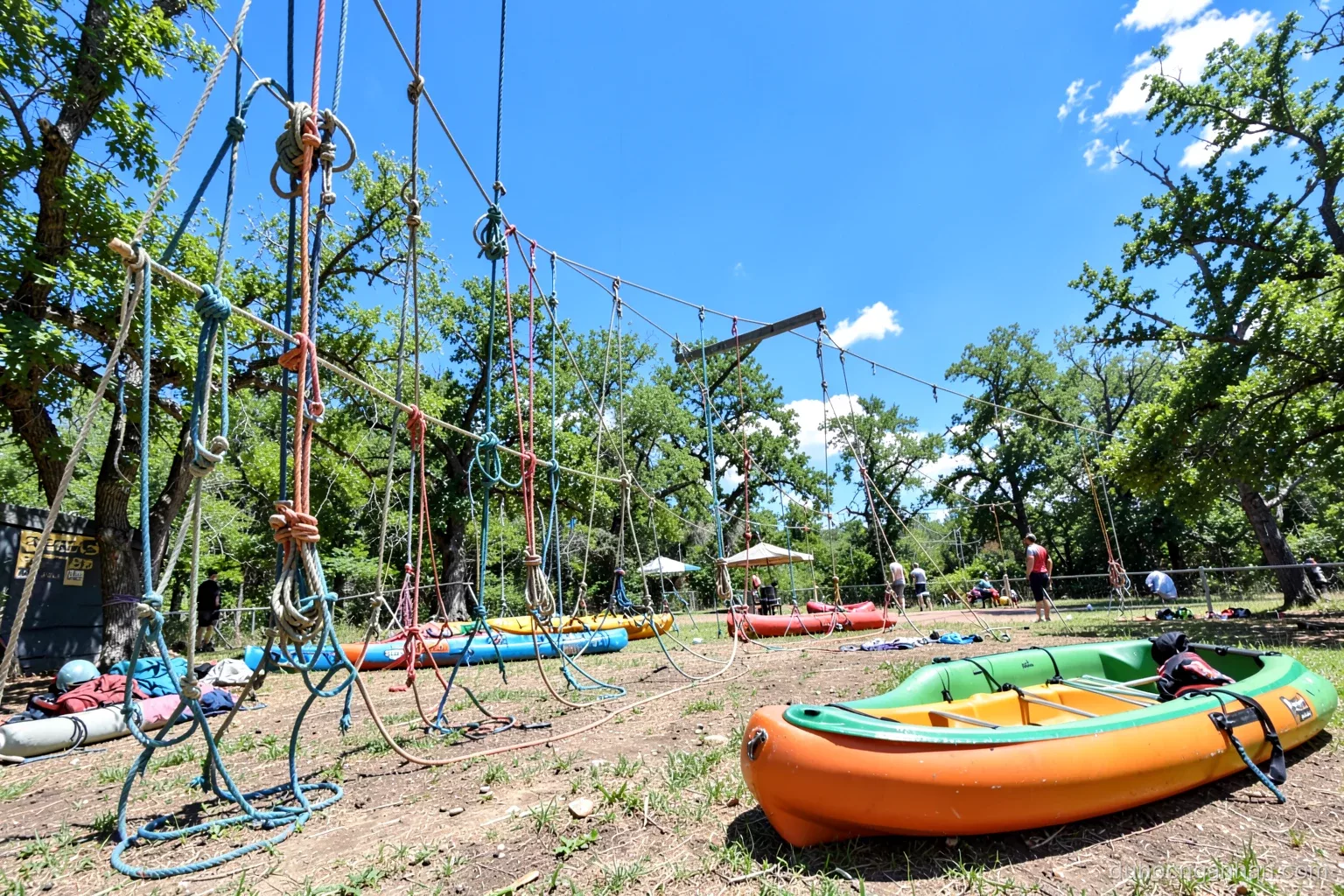
| Outdoor and nature camp | Canoeing, climbing, camping, basic survival skills | Qualified adventure activity instructors | Your child is fit, loves the outdoors and can cope with fewer comforts |
| Boarding school camp | Lessons in the morning, daily life organised by boarding house | The school's teachers and boarding staff | The family wants your child to try boarding life before thinking further ahead |
A camp can belong to two groups at once, for example an English camp at a boarding school with an afternoon sports block. In that case, whichever part takes up the most hours in the week is what the camp really is.
Signs that a camp has real expertise
The instructors' roles and qualifications are stated. A serious swimming camp says clearly that its coaches are qualified by that sport's federation and that there is a dedicated lifeguard at the pool; a STEM camp tells you who designed the curriculum. The phrase "an experienced team" does not replace this information.
The number of specialist hours is stated precisely. A genuine specialist camp says "15 hours of technique training a week" or "a three-hour workshop session every day", not just a list of activity names. If it works out at only one hour of the specialist subject a day, it is a language camp with afternoon activities added.
There is an end-of-course product or milestone. A robot that actually runs, a performance with an audience, a match, a project report. An end-of-course milestone forces the camp to teach in a progression rather than just letting the children play.
Groups are based on skill level, not only on age. A good sports or arts camp asks how long your child has played and at what level, and then divides them into groups. A child who has just picked up a racket should not share a court with one who has competed at club level.
Equipment and facilities are described, not just shown in attractive photos. How many places does the laboratory have, is the training ground covered, are there enough practice rooms for each pupil to have a time slot? Promotional photos pick the best angle; only a concrete description shows the real capacity.
The ages and English levels camps usually ask for
Many international summer camps take pupils from about 8 to 17 and group them by close age bands for activities. Specialist camps often have a higher minimum age than language camps, because the content demands concentration, self-management and the ability to read instructions. Leadership, debating and start-up camps mostly target ages 13 and over; outdoor camps with adventure activities usually set a minimum age for each activity rather than for the whole camp.
As for English, language camps accept complete beginners. Specialist camps are different: if your child does not understand the safety instructions in a workshop or by the water, they do not just learn less — they may be in danger. That is why many camps set a minimum English level, sometimes pegged to intermediate, sometimes just a short online interview. Some camps solve this by adding a morning English block for international pupils before the specialist sessions.
A simple way to check for yourself: show your child a short instructional video in English on that exact subject, for example how to put together a simple electric circuit or a football warm-up, and ask whether they can do it afterwards. If they can follow most of it, they are ready for a specialist camp; if not, a language camp with a light specialist theme in the afternoons is the more sensible step.
Common misconceptions about international summer camps
Most disappointment after a season at camp comes from expectations set wrongly at the start. These are the misconceptions the advisers come across most often when talking with parents:
- "The more famous the camp, the more my child will learn." What decides how much your child learns is the group they are placed in, the instructor working directly with them and the number of hands-on hours, not the camp's name.
- "At a camp in an English-speaking country, my child will speak only English." If one nationality makes up most of the camp, the children will speak their mother tongue with each other. The camp's mix of nationalities and its language rules matter more than the name of the country.
- "Specialist camps are for building achievements for a portfolio." A few weeks in summer is rarely an achievement; the value lies in your child trying a field under real conditions and finding out whether they want to go further.
- "For a young child, every camp is the same." For children aged 8–11, how the camp organises the evenings, bedtimes, who is on duty at night and how it keeps in touch with families matters even more than the specialist content.
- "Having a group leader travel with them is safe enough." A group leader from Vietnam helps your child a great deal, but during activities the people directly responsible are the camp's staff. Both layers need to be understood.
Each of these misconceptions can be checked with one specific question sent to the organiser before enrolling, rather than waiting until your child has gone to find out.
Five steps to choosing the type of international summer camp for your child
The order below starts from your child and moves out to the camp, not from a list of camps back to your child. Following this order helps the family quickly rule out programmes that sound appealing but do not fit.
- Start from what your child already enjoys doing during the school year. Does your child spend free time on basketball, drawing, building models or reading? A summer camp should extend a real interest, not create a new one just because a programme happens to be open.
- Work out how independent your child is. Have they ever slept away from home, can they manage their own belongings, medicines and timekeeping? Children who are not yet used to this should go to a short camp, with a group and a Vietnamese adult travelling with them.
- Choose the group of camp first, then the country. A beach sports camp in the tropics is different from a mountain climbing camp in a temperate region; climate and season directly affect the activities.
- Read the weekly schedule and count the specialist hours. This is the step that rules out the most programmes.
- Ask about the people: who teaches, who is on duty at night, the staff-to-pupil ratio in each activity, and who tells the family when something happens.
After these five steps, the list is usually down to two or three options. Only then compare departure dates, length and cost, because comparing earlier tends to make families choose on secondary factors.
An international summer camp in your child's journey of growing up
A few weeks at camp will not turn your child into someone else, but it usually leaves a few small, real changes: your child packs their own suitcase, asks when they do not understand, gets to know someone who does not speak the same language, and learns that they can get through a few uncomfortable days at the start. These changes are not measured in marks, and they should not be.
What is worth doing after camp is talking with your child about what they noticed themselves: which activities excited them, when they found things hard, whether they want to try again or try something else. Their answers are the best information for next summer, and for bigger decisions about their studies later on.
Du Học Ngắn Hạn is written by the Global Gate Pass advisers so that parents have enough information before choosing. Families who would like to see the weekly schedule, rules and organisation of the upcoming camp sessions can request advice on this site; the Global Gate Pass office is currently on the 1st floor of Jamona Heights, 210 Bùi Văn Ba, Tân Thuận, Ho Chi Minh City.
Frequently asked questions
Are an international summer camp and summer study abroad the same thing?
The two terms are often used interchangeably. "Summer study abroad" usually emphasises the study part, especially language study; "international summer camp" is broader, covering sports, arts and outdoor camps where language study is light or absent. When reading about a programme, look at the weekly schedule rather than the name.
Can my child go to a specialist camp if their English is not yet strong?
Yes, if the camp has an English block for international pupils or teaching assistants who give language support, and if the activities do not require understanding complicated safety instructions. For outdoor camps, water sports or workshops with machinery, a minimum level of English is a safety condition, not just a learning condition.
How long do international summer camps usually last?
Mostly one to four weeks per session, and many camps let you combine several consecutive sessions into six to eight weeks. Specialist camps are often divided by week, because each week is a different theme or skill level. For a first time far from home, two to three weeks is the length many families find about right.
Should I choose a camp with many Vietnamese pupils or few?
Having a few children from home helps young children panic less in the first week. But if Vietnamese pupils make up most of a group, they will speak Vietnamese with each other and lose most of the benefit. Ask the camp about the mix of nationalities in your child's session and how they assign rooms and groups.
Do international summer camps give a certificate?
Most give a certificate of completion stating the content and length of the course. Some specialist camps award a skills certificate from a professional body, such as a swimming or basic first aid certificate, if your child meets the requirements. These papers confirm the experience; they do not replace a qualification or a language certificate.
How is joining a group from Vietnam different from enrolling directly at an international camp?
With a group, a Vietnamese adult takes care of the flights, acts as a bridge when your child is ill or sad, and keeps the family informed in Vietnamese. Enrolling directly gives you more freedom to choose a camp, but the family has to arrange transfers and communicate with the camp in English on its own.