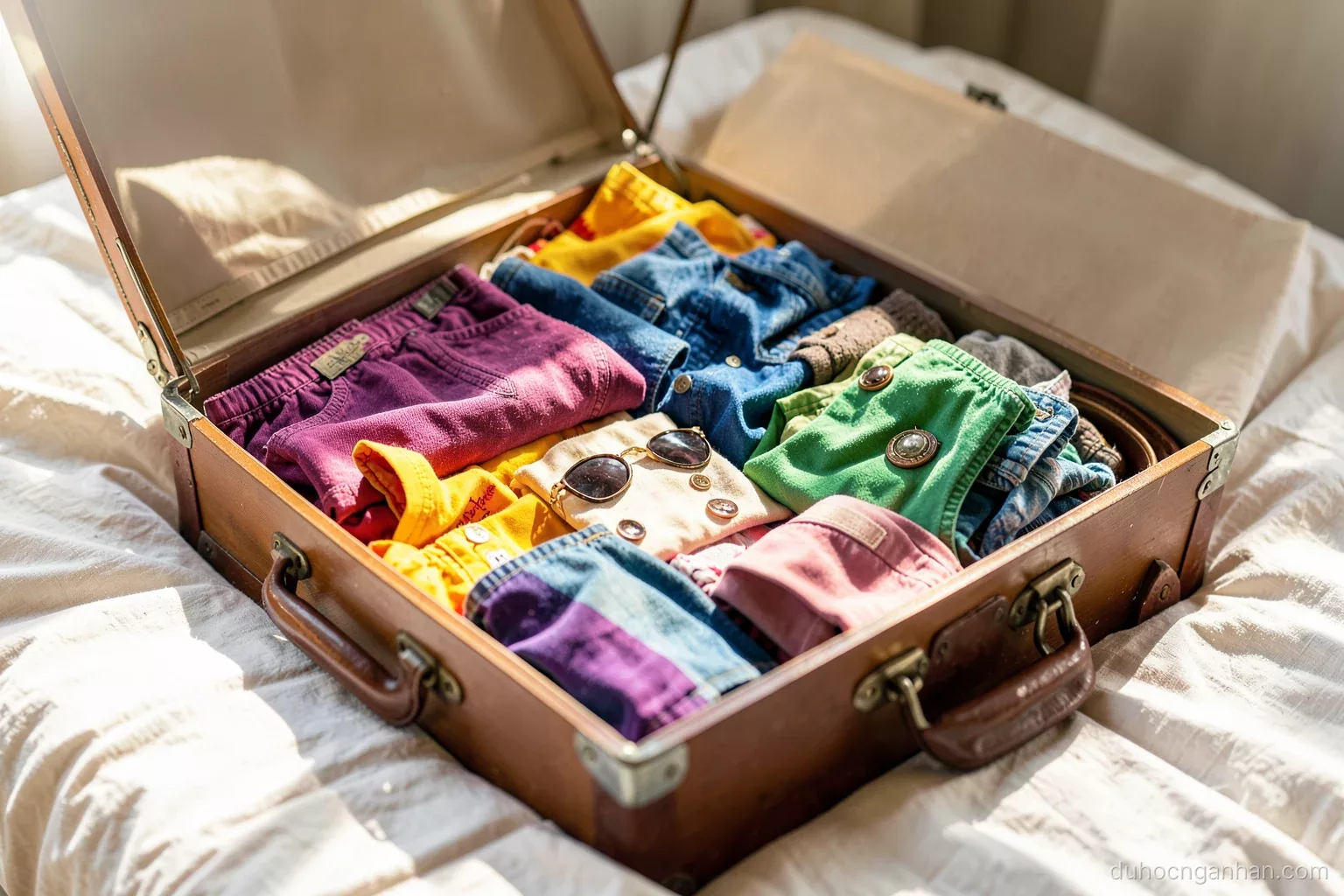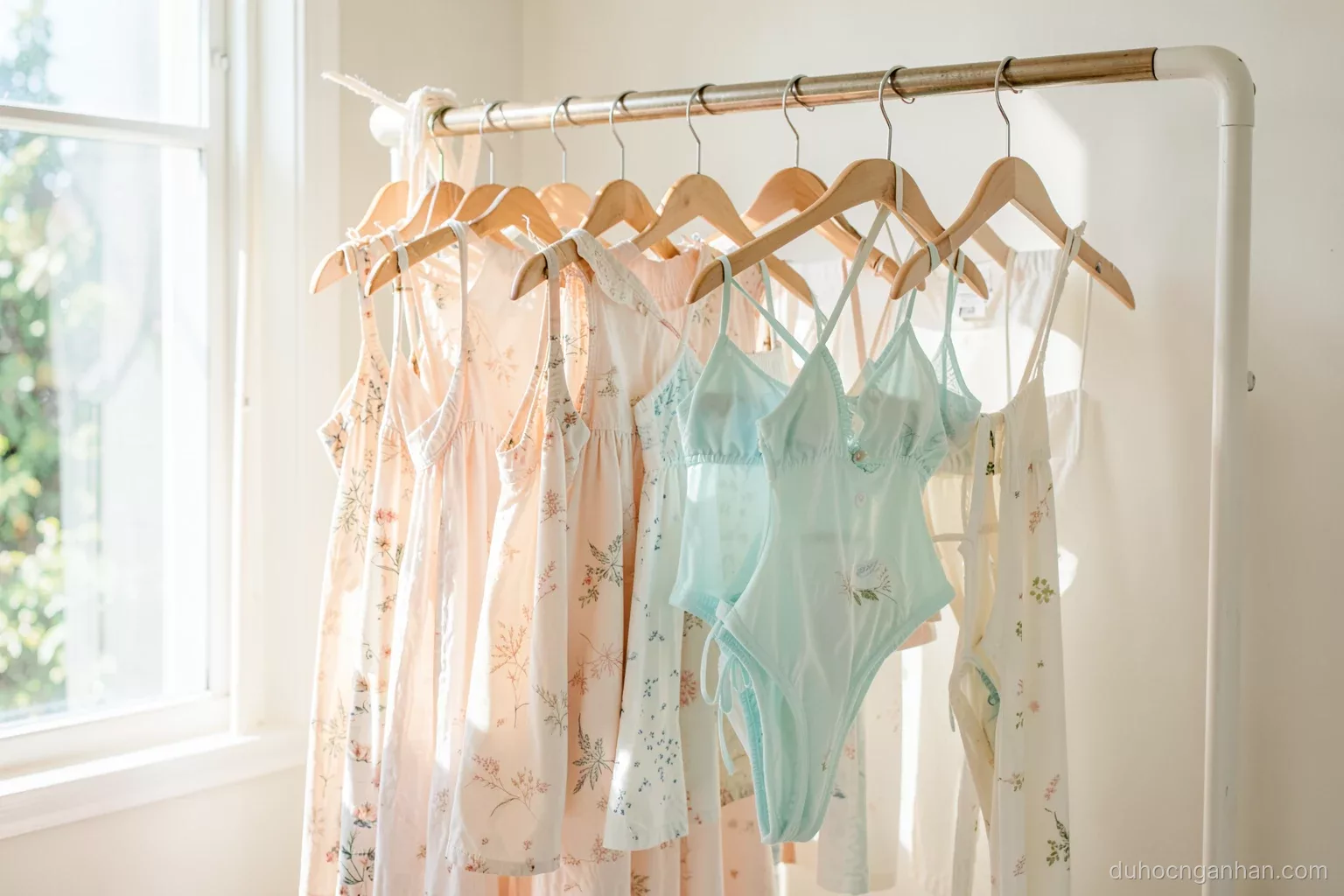
For a summer camp in the Philippines, your child mainly needs thin cotton or sports-fabric clothes that absorb sweat on hot, humid days, plus a light hooded jacket for air-conditioned classrooms and coaches, a compact raincoat for afternoon showers, swimwear, trainers and sandals. At a camp with weekly laundry, around seven or eight everyday outfits, two sports outfits and two sets of nightwear are enough for the whole trip, whether four or eight weeks.
The climate of the Philippines is quite close to southern Vietnam, so many parents think "dressing as at home will do". That is half right. The other half lies in the school's dress code, the time your child spends in cold rooms each day, the rainy season and outdoor activities that your child rarely does so continuously at home.
The weather and the camp's daily rhythm decide the wardrobe
Vietnamese students' summer, roughly June to August, coincides with the early part of the rainy season in most of the Philippines, according to the country's weather agency PAGASA. Days are often fiercely sunny in the morning and muggy, with showers or thunderstorms in the afternoon; there are spells of low pressure and typhoons that bring rain for several days. Your child's clothes have to cope with both: dry quickly after getting wet, and stay cool in the sun.
The daily rhythm at a residential English camp is usually several hours in a row in air-conditioned classrooms, walking across sunny grounds between lessons, sport outdoors or in the sports hall in the afternoon, and group study or activities in the evening. That means your child changes temperature many times a day. Children easily catch cold from sitting for a long time in a cold room in a shirt soaked with sweat from outside.
So your child's wardrobe should revolve around three simple layers: thin, absorbent T-shirts; a light jacket or lightweight sweatshirt always kept in the backpack; and a dry set of clothes to change into after sport. Expensive clothes are not needed; what is needed is the right fabric and enough to change into when wet.
A suggested clothing list for four weeks at a camp with laundry
The figures in the table are suggestions for a camp with a laundry service at least once a week. If the camp washes less often or has no laundry service, add a few more outfits; the organiser will give you the specific laundry schedule.
| Group of items | Suggested number | What to look for |
|---|---|---|
| T-shirts, collared shirts for class | 7 to 8 | Breathable cotton or sports fabric, light colours, no offensive slogans |
| Trousers, cropped trousers, skirts | 4 to 5 | Within the school's length rules, with at least two pairs of long trousers |
| Sportswear | 2 to 3 sets | Quick-drying fabric; add a thin long-sleeved sun top |
| Nightwear | 2 sets | Light and modest, as rooms are shared and boarding staff do checks |
| Underwear, socks | 10 sets or more | Underwear that can be hand-washed in the room if needed |
| Light hooded jacket | 1 to 2 | Always kept in the backpack for air-conditioned classes and coaches |
| Compact raincoat | 1 | A light, small-folding type; whether umbrellas are allowed on the grounds depends on the camp |
| Swimwear | 2 sets | Modest styles suitable for a school pool; add a swimming cap if the pool requires one |
| One "smart" outfit | 1 | For the opening and closing ceremonies, a performance or a weekend service with the group |
If the camp hands out uniform T-shirts, your child will wear them several times a week and can bring fewer T-shirts from home. Ask in advance how many uniform T-shirts the camp provides and whether more can be bought, to avoid packing too many.
Dress codes: the part parents often miss
Schools in the Philippines, including language schools for foreigners, usually have quite clear dress rules during class time. Many do not allow very short shorts, strappy tops, off-the-shoulder tops or flip-flops in class, or they require tops with sleeves. Some schools have separate rules for the dining hall and the dormitory. These rules are not meant to make life difficult for children; they help students from many countries live together within a framework every family finds acceptable.
Parents should ask the organiser for the dress code before shopping, read it with their child and let their child choose clothes from the wardrobe according to it. Teenagers often have their own style; talking about it at home is much easier than having your child reminded by boarding staff on day one in front of international friends.
On weekend excursions, some places such as old churches, museums or historic sites require modest dress. A pair of light long trousers and a top with sleeves are always useful on those trips, and also make a good layer against sun and mosquitoes when walking outdoors.
How many times your child changes clothes in a day at camp
Picturing a specific day helps parents understand why the packing list looks longer than what their child wears at home. In the morning your child wears a T-shirt and long trousers according to the class rules, with a light jacket on top because the classroom is cold. At lunchtime they walk across the sunny grounds and their shirt gets damp with sweat. In the afternoon they change into sportswear for basketball or swimming, then shower and change into another outfit for dinner. In the evening they wear nightwear. So on an ordinary day your child uses two or three outfits, not counting rain.
At home, parents are used to seeing their child in one outfit all day because they spend most of the time indoors. At camp, the activity rhythm is denser and there is little space to dry wet clothes in the room. That is why sportswear and underwear need more spares than class clothes, while a jacket and raincoat only need one or two but must always be in the backpack.
When reading the camp's weekly schedule, count the sessions with sport, swimming and outdoor excursions. A schedule with many swimming sessions calls for an extra swimsuit; one with a beach trip calls for a long-sleeved sun top and a bag for wet things. Packing for the camp's real schedule is always more accurate than packing from a generic list.
Clothes for teenagers: modest, comfortable, chosen by your child
Children aged twelve to seventeen share rooms, shower in shared bathrooms and play sport in front of friends of the opposite sex from many cultures. At this age, children are often more self-conscious about their bodies than parents realise. Modest enough nightwear, a well-fitting sports bra for girls, compression shorts for boys to wear under sportswear, and a slightly loose T-shirt to wear over swimwear when walking from the room to the pool are all small things that help your child feel comfortable.
Let your child choose most of their clothes within the camp's rules. Children who wear clothes they like feel more confident meeting new friends, and rarely abandon items mum bought. Parents only need to check three things: do the clothes meet the rules, are there enough for the activity schedule, and is there anything your child has never tried on.
If your daughter may start or already has periods, talk about it before the trip and prepare her personal items; the article on personal care items in this section has a part devoted to this.
Footwear: three pairs is about right
A pair of comfortable trainers your child has already worn in. This is the pair your child wears most: for class, sightseeing and sport. New shoes taken straight from the box easily cause blisters in the first week. Let your child wear a new pair at home for at least two weeks before the flight.
A pair of sandals with a back strap. For rainy days, the beach, and walking around the campus if the school allows it. Sandals with a heel strap are safer than flip-flops on wet floors, especially on tiled walkways around the pool.
A pair of slippers for the room and bathroom. Dormitories usually have shared bathrooms or bathrooms shared by a few children. Their own slippers help keep feet clean and prevent slipping. A light, cheap, washable pair is enough.
A fourth pair only with good reason. Football boots or badminton shoes are only needed if your child has signed up for a specialist sports programme. Dress shoes or ballet flats for ceremonies are usually unnecessary if the trainers are clean and neat. Every extra pair of shoes takes up space in the suitcase and adds a few hundred grams.
Sun protection and rainwear: thin, compact and something your child will actually use
The sun at camps in the lowland and coastal areas of the Philippines is at its fiercest around midday. A wide-brimmed hat or a cap that covers the back of the neck, sunglasses that fit a child's face and a thin, breathable long-sleeved top help your child avoid sunburn during outdoor sessions. Sunscreen belongs with toiletries, but it is mentioned here because it goes with clothing: a good sun top means your child depends less on remembering to apply cream.
Rainwear should be a compact raincoat that folds into a small bag, not a disposable plastic poncho that tears easily. Some schools discourage umbrellas in sports areas, so a raincoat is still more practical. A small waterproof pouch for the phone and documents on excursions in the rain is also worth bringing.
The last thing often forgotten is a thin, quick-drying towel. Your child uses it to wipe off sweat after sport, wrap around their neck when the classroom is too cold, or put on a coach seat after a beach trip. It is small and cheap, and children usually use it more than parents expect.
Is it all right to pack less and buy more there?
In the cities and towns where camps are located, shopping centres and ordinary clothes shops are not hard to find, and most prices are similar to Vietnam. So if a few items are missing, your child can easily buy them on a weekend outing with the group. But do not deliberately pack too little intending to "buy there", because shopping trips depend on the camp and are not every week.
Things to buy in Vietnam are those your child needs from day one and in the right size: underwear, swimwear and shoes. Things that can be bought there are T-shirts, hats, sandals and raincoats. If the camp sells uniform T-shirts or souvenir tops, most children will want at least one, so leave room in the suitcase for it.
Families who want to see the packing list according to the rules of a specific camp currently taking registrations can ask the Du Học Ngắn Hạn advisory team; the group leader usually sends this list with photos of the dormitory so parents can picture the wardrobe and the space in the room.
Frequently asked questions
Does my child need warm clothes for a camp in the Philippines?
No thick warm clothes, but one or two light jackets. Classrooms, libraries, cinemas and long-distance coaches are often kept quite cold. Children sitting for a long time in sweaty shirts easily catch cold. A hooded jacket that folds into the backpack is enough.
What colour clothes should my child take to camp?
Light colours are cooler in the sun and make it easier to spot your child in a crowd on excursions. Avoid pure white, which quickly stains after a few shared washes. Check the wording on printed T-shirts, and avoid crude or sensitive slogans, as the camp has students from many countries.
What kind of swimwear suits an international camp?
A one-piece or modest two-piece swimsuit, or well-fitting swim shorts, is a safe choice. Some pools require swimming caps. Add a long-sleeved sun-protective swim top if your child swims outdoors in the middle of the day. If the camp has beach activities, ask about life jackets and water shoes.
Should we pack an iron or a hairdryer?
Usually not. Laundry at camp is folded and few people iron. Hairdryers and irons use a lot of power, and many dormitories ban or restrict them for electrical safety. If your child has long hair that needs drying, ask in advance whether the camp has shared hairdryers.
Are newly bought clothes or clothes my child already wears better?
Clothes your child already wears are usually better: they fit, have been washed without fading and do not itch. New clothes should be washed once at home before packing. Label every item or sew in a name tag, as clothes washed together are very easily mixed up.
Should we postpone the trip during the rainy and typhoon season?
Camps keep running in the rainy season and have plans for bad weather days, such as moving activities indoors and rescheduling excursions. Families should ask the organiser about its plan for typhoons and follow the weather agency's updates close to the flight date.