A winter camp abroad is a short course of study and activities, usually two to six weeks long, held during the holidays around the end of the calendar year and the start of the lunar year, when pupils in many countries are on their winter break. For Vietnamese pupils, the term covers three quite different kinds: residential English camps in tropical countries such as the Philippines, where December to February is the driest and coolest time of year; true winter camps in cold countries such as South Korea, Japan or Europe, with snow and winter activities; and holiday programmes in Australia and New Zealand, where it is summer at that time.
All three share one name but differ in weather, classmates, teaching style and what your child needs to prepare. It is quite common for parents to hear "winter camp" and picture falling snow, while the programme being offered is in fact a language camp somewhere warm and sunny. This article separates the three kinds, explains which child each suits, and offers a way of reading a programme so you know which kind you are being invited to.
Why there is a winter camp season
The short-camp seasons grow out of school holidays in different countries. In South Korea the school year begins in March, so the winter break usually runs from late December to about early February — long enough for families to send their children away to learn a language for a few weeks. In Japan the winter break is shorter, around the New Year. In China the winter break is tied to the Lunar New Year. These flows of pupils create demand, and language schools, boarding schools and winter sports centres open programmes to meet it.
Vietnamese pupils do not have a long winter break in that sense. The real holiday falls at Tết (the Lunar New Year), and its length varies by province; pupils at international and bilingual schools also have a break around Christmas and New Year. So for Vietnamese families a winter camp is usually a two- to four-week course fitted into the year-end break or the Tết holiday, and rarely lasts six weeks as it might for Korean pupils.
Understanding these origins helps parents anticipate one thing: at a winter camp, your child's classmates are likely to come from countries that are on their winter break. At an English camp in the Philippines in January, the share of pupils from South Korea, Japan and Taiwan is often high. At a snow camp in South Korea, most pupils are local or from neighbouring countries. The make-up of the class affects how much English your child speaks outside lessons, and that is something to ask about in advance.
Three kinds of winter camp and the main differences
The table below compares the three kinds on the criteria parents usually care about most. This is a general description; individual programmes may differ:
| Criterion | Tropical English camp | Winter camp in a cold country | Southern hemisphere holiday programme |
|---|---|---|---|
| Weather | Dry, cooler than other months, still sunny during the day | Cold, possibly below zero, with snow in many places | Summer, strong sun, high UV |
| Focus | Many hours of language study a day, small classes or one-to-one | Winter activities with language or culture classes | Language study with sightseeing and outdoor activities |
| Classmates | Often many Asian pupils on their winter break | Local pupils and pupils from neighbouring countries | International pupils; local pupils are on their summer holiday |
| Luggage | Light, summer clothes plus a thin jacket | Heavy, many layers, specialist warm clothing | Summer clothes, sun protection, swimwear |
| Time difference from Vietnam | One hour | Two hours for Korea and Japan; more for Europe | Three to six hours depending on the state or country |
| Suits | A child who needs to concentrate on English, first time away | A child used to being away from home who loves new experiences | An active child who copes well with sun |
The last row is not a hard rule. A twelve-year-old going away for the first time can still go to a snow camp if the programme has good supervision; what the table means to show is which kind asks more of your child in terms of health and independence.
English camps in the tropics during winter
This is the most common kind for Vietnamese families. The Philippines is a familiar destination because it is close, direct flights are short, the time difference is one hour, and there are many residential English schools that take young pupils. Some camps in Malaysia and Singapore also run year-end courses. December to February in most of the Philippines is the period of the northeast monsoon, when the weather is drier and more pleasant than in the middle of the year.
The study schedule is usually intensive. Many camps timetable six to eight lessons a day, mixing one-to-one sessions with small group classes, with self-study time in the evening. Weekends are for outdoor activities or excursions. For a child who needs to sharpen their speaking reflexes in a short time, this rhythm works; for a child who needs rest after a stressful term, it can be too much.
The downside to know about. Because it coincides with the winter break of pupils from Northeast Asia, the camp may be busier than in summer and have a high share of pupils of a single nationality. Your child will have friends, but those friends may not speak better English than they do. If speaking English outside lessons is an important goal, ask the school how it assigns rooms and classes to mix nationalities.
Winter camps in cold countries
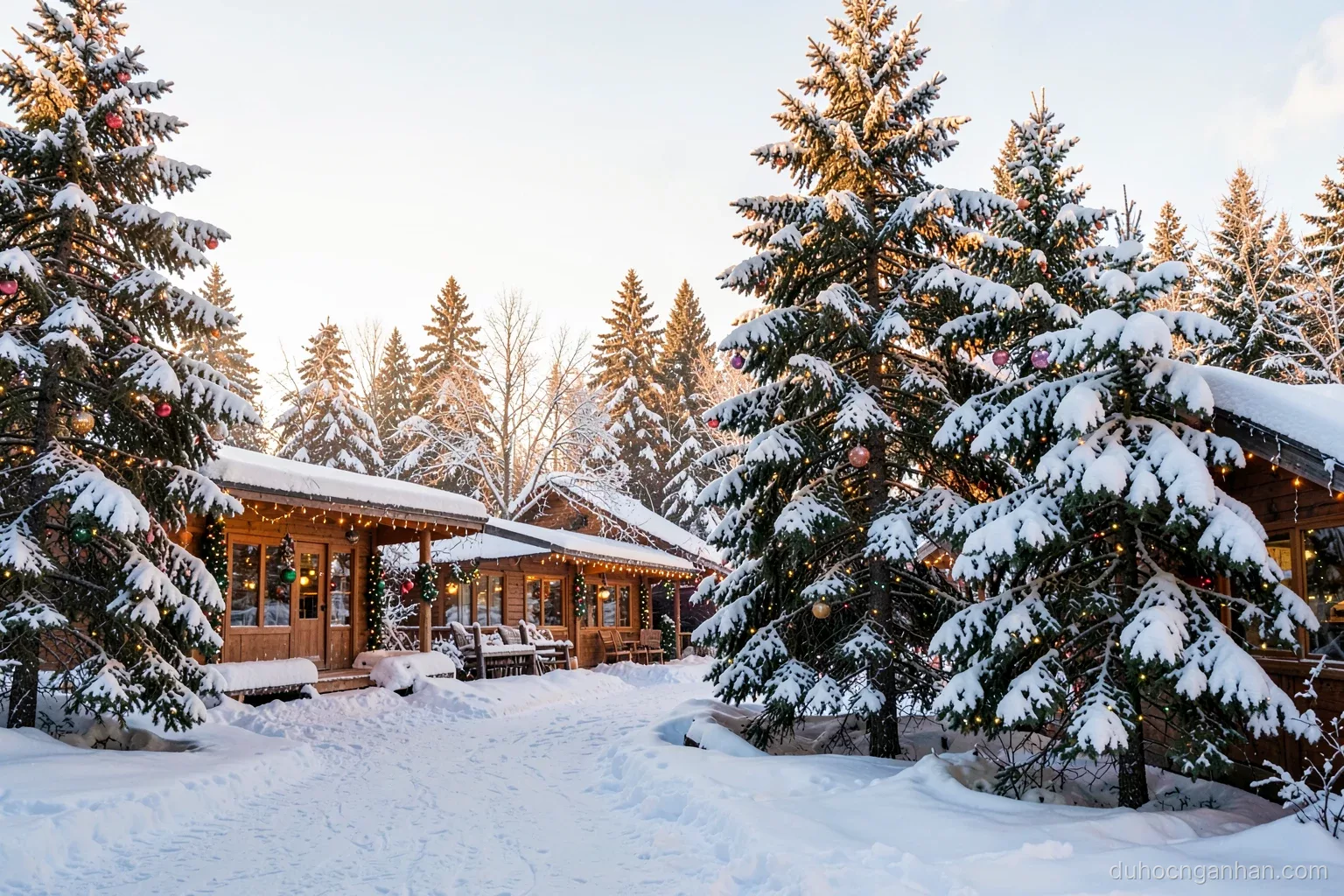
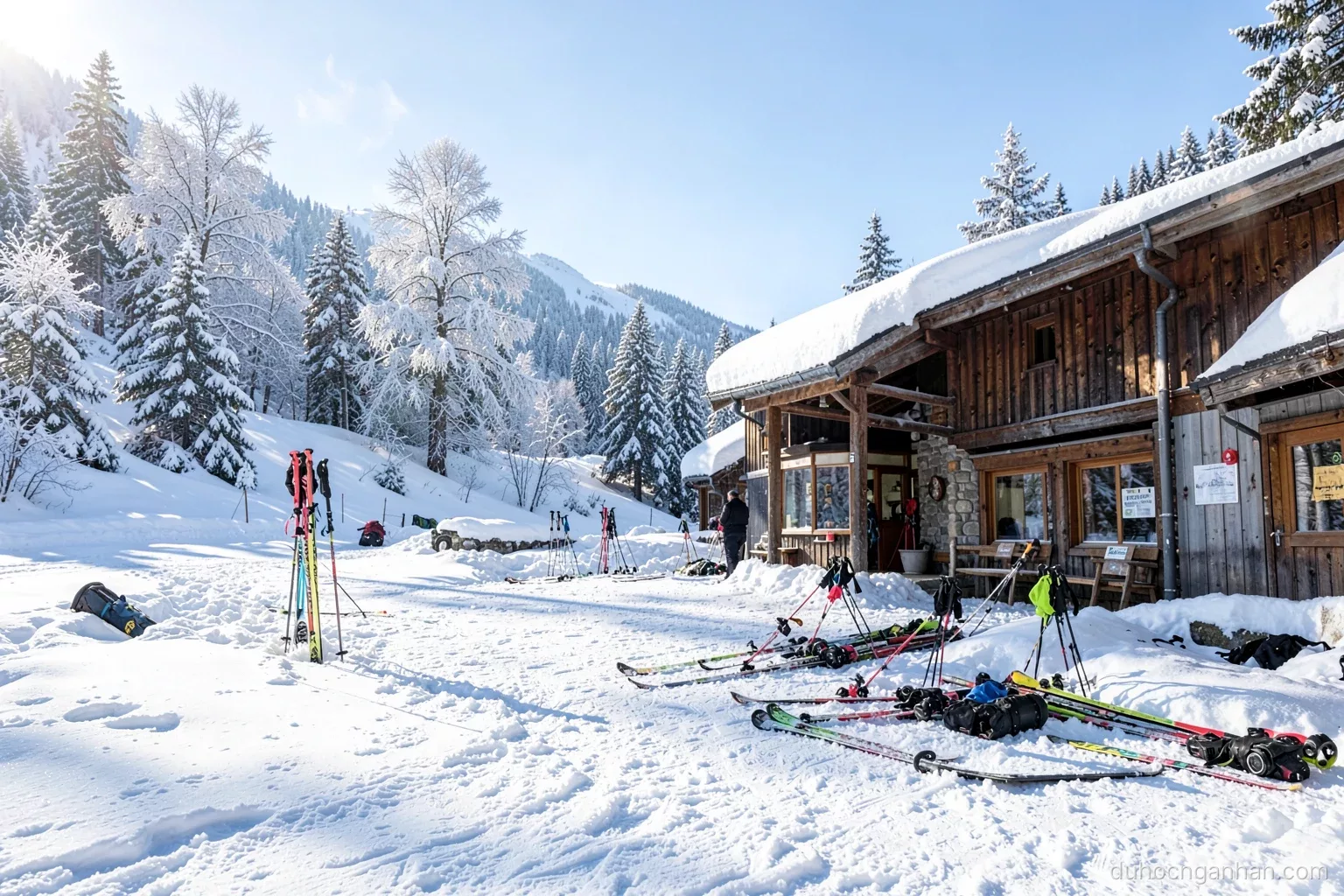
The experience is the focus. In South Korea, Japan, some European countries and North America, winter camps usually combine language or culture classes with skiing, playing in the snow and sightseeing. For a child who has grown up in the tropics, seeing snow for the first time is a powerful memory. But the actual number of study hours is usually lower than at an English camp in the Philippines.
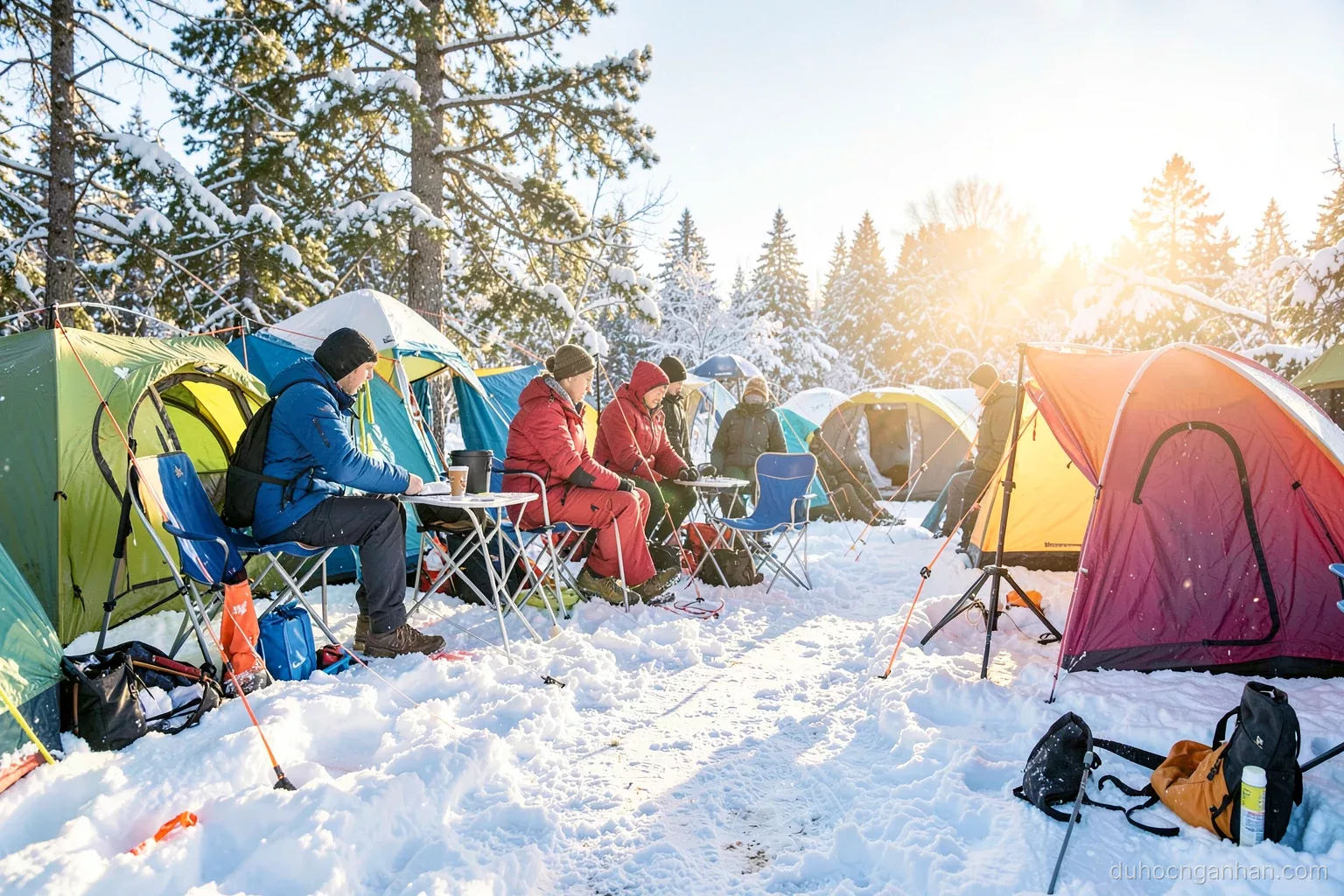
The demands on health are higher. A body used to thirty degrees has to adjust to temperatures around zero, dry air in heated rooms, short days and early darkness. Most healthy children adapt within a few days, but children with asthma, eczema or frequent respiratory infections should see a doctor first.
Extra costs are harder to predict. Coats, boots, warm gloves, ski equipment hire and insurance that covers winter sports are items easily overlooked when parents look only at the tuition fee. There is no need to buy everything new, but it is worth having a list in advance.
Holiday programmes in Australia and New Zealand in December and January
Some organisers call all year-end courses "winter camps", even when the destination is Australia or New Zealand. In reality it is summer in the southern hemisphere, and local pupils are on their long summer holiday. This has two consequences parents should know about. First, programmes that offer "studying in class with local pupils" usually cannot run, because local schools are closed. Second, the weather brings strong sun and high UV, and in many areas there is a risk of bushfires at this time of year.
In return, this is a time rich in outdoor activities: beaches, parks, sport and sightseeing. Language courses at schools for international students stay open all year, and many places have holiday programmes especially for teenagers. If your child loves being active and the family wants a trip that mixes study and fun, this kind makes sense; if the goal is sitting in on lessons at a local school, choose another time.
When you read a programme called a winter camp, the quickest way to know which kind it is, is to ask three questions: where is the destination, what is the average temperature during the week of travel, and where do most of the pupils in the class come from? Those three answers are almost enough to put the programme in the right box of the table above.
Choose the kind of winter camp by your child, not by its name
Rather than starting from the destination, start from the child. Five suggested steps:
- Decide the main goal of the trip: sharpening English reflexes, trying life away from home, experiencing a new climate and culture, or a worthwhile rest after the term. Each goal leans towards one kind.
- Count your child's real days off: take the school's holiday calendar and subtract two days at the start and two at the end so your child can recover before going back to class. What is left is the time available for travel.
- Consider health and temperament: how your child copes with cold and with sun, whether they have any underlying condition, and whether they have ever slept away from home. A child who has never slept away from home should start with a trip that is close, short and accompanied by a Vietnamese adult.
- Ask about the class make-up and the supervisors: winter significantly changes the mix of pupils; ask about the expected share of nationalities and which adults look after the children outside lessons.
- Check against the school calendar after the holiday: if your child goes back to school right in a test week, plan for revision before and after the trip.
These five steps do not need an expert. Most parents can do them in one evening, and the result usually narrows the choice down to one clear kind of camp.
Reasonable expectations after a season at a winter camp
Two to four weeks is a short time. What usually shows most clearly when your child comes home is confidence in opening their mouth to speak, the habit of looking after their own things, and a few foreign friends to keep in touch with. Changes in English marks at school usually come more slowly and depend on whether your child keeps practising after coming home.
With a camp in a cold country, the worthwhile part lies in the experience: learning to manage in a harsh climate, to look after their body in the cold, and to behave in a culture with many unwritten rules. These are skills that do not appear on a school report, but parents can see them a few weeks after their child comes home.
If your family is considering a winter camp this year, start looking into it from around September or October. The next camp session, the venue and the specific supervisors change from year to year, so ask the site's advisers directly rather than relying on last season's information.
Frequently asked questions
Are winter camps and summer camps abroad very different?
They differ in timing, weather and classmates. Summer camps are longer, have more international pupils and offer more choice of destinations. Winter camps are shorter and usually coincide with the holidays of pupils from Northeast Asia, so the class make-up is different; and if you go to a cold country, luggage and health need more careful preparation.
At what age can my child go to a winter camp?
Many camps take children from about eight, and some take them from six if a parent comes along. For camps in cold countries, children aged ten and over usually manage their own warm clothing better. The minimum age is set by each school, so read the admission requirements of the specific programme.
Is a two-week winter camp enough to improve my child's English?
Two weeks is enough for your child to get used to listening, become less shy about speaking and feel motivated to keep learning. It is not enough to clearly change their grammar or vocabulary level. If English is the main goal, three to four weeks at a camp with many hours of study a day will bring more visible change, together with a plan to keep the language up at home.
Is it cold at a winter camp in the Philippines?
Not cold in the temperate sense. December to February is the cooler and drier period in most of the Philippines; days are still warm, while early mornings and air-conditioned rooms can feel a little chilly. Your child only needs summer clothes, plus one or two thin jackets and long-sleeved nightwear.
Should my child go to a snow camp if they have never seen snow?
They can, if they are healthy, the programme has instructors for winter activities and there are supervisors outside lessons. Prepare your child beforehand for the feeling of cold, how to dress in layers and the signs that the body is getting too cold. For a first time, choose a programme in which activities on the snow are only one part, not the whole thing.
How far ahead should I book a winter camp?
It is usually best to start looking at the beginning of autumn and secure a place about two to three months ahead, especially when a visa is needed. Flights around New Year and Tết often fill up early. Programmes that take small numbers can fill even sooner, so ask for the registration deadline of each session.