At the same camp, on the same programme, going in peak season or in a quiet season gives your child a completely different experience: peak season is lively, with many activities and many friends of the same age, but classes are larger and one nationality may dominate; quiet season means smaller classes and more focused study, but fewer friends of the same age and sometimes sharing lessons with adults. Neither season is better in absolute terms; what matters is whether that season suits your child's personality and goals.
Parents usually choose a session based on their child's holidays and the most convenient departure date, and rarely ask what the camp will be like in that session. This article explains why camps have seasons, what the season affects, and how to ask so you know in advance which kind of session you are choosing. The descriptions here are general tendencies observed at many camps; individual camps may differ.
Why international camps have seasons
International camps take pupils from many countries, and each country has its own holidays. When many countries' holidays coincide, the camp fills up; when only a few countries are on holiday, it empties. In the northern hemisphere, July is the month when pupils in Europe, North America and most of Asia are all on holiday, so it is the busiest month at almost every summer camp. January and February, on the other hand, are the peak for camps in Southeast Asia, thanks to pupils from South Korea, Japan and Taiwan being on their winter break.
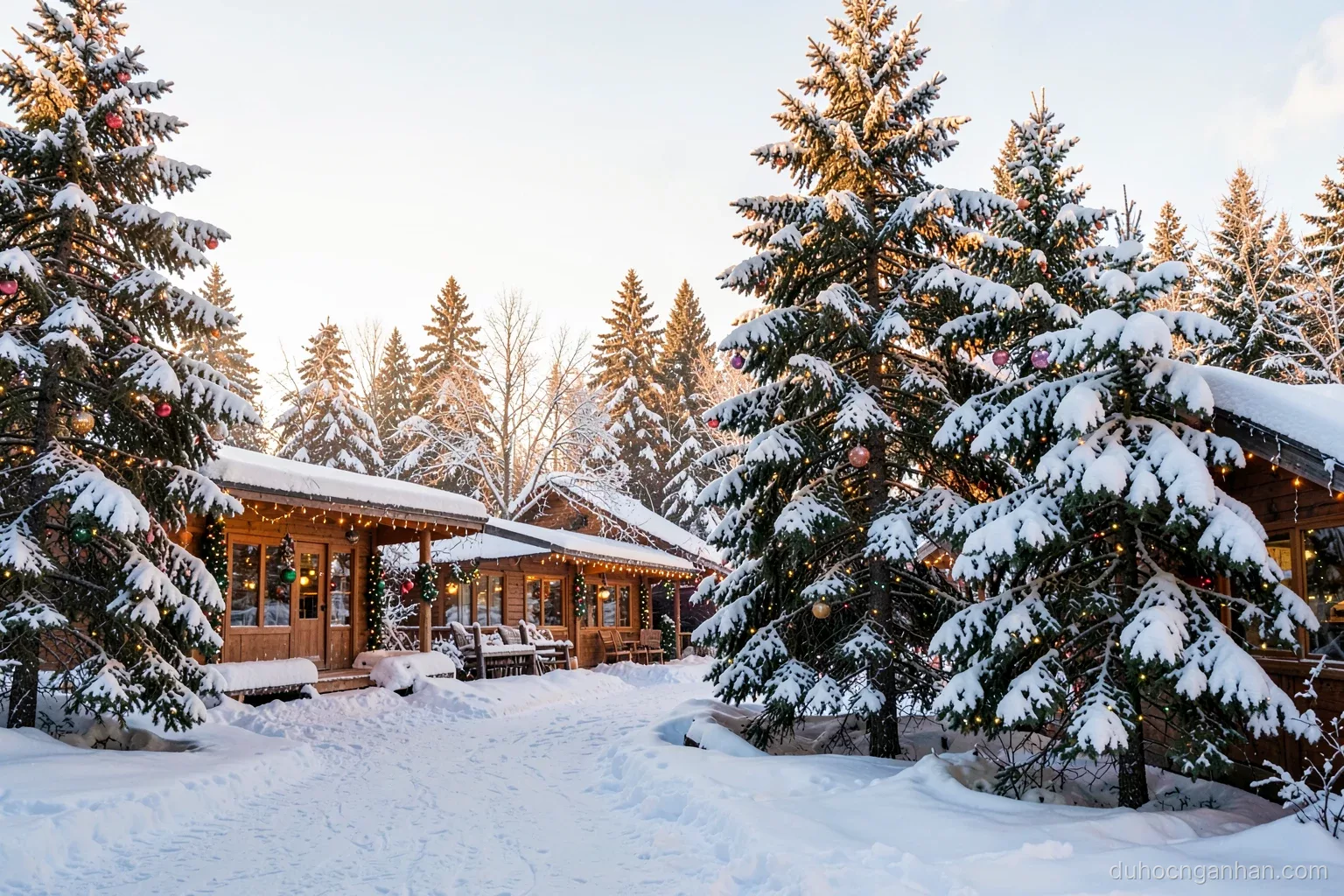
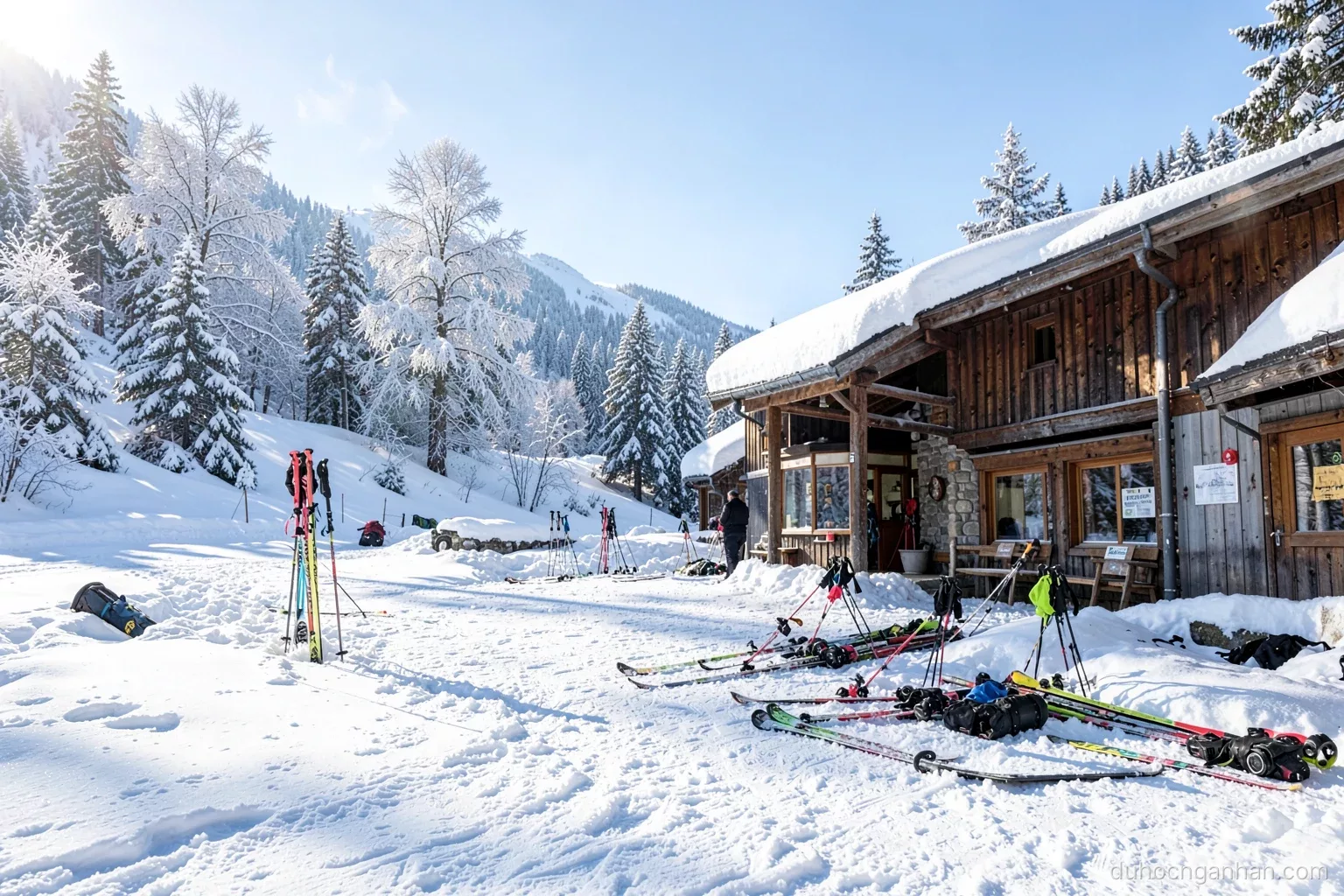
Besides school calendars, seasons are also driven by weather and tourism. Seaside camps are busy in the fine-weather season; camps in cold countries have a snow season. Sessions that coincide with major holidays also tend to be busy, as families make use of long breaks.
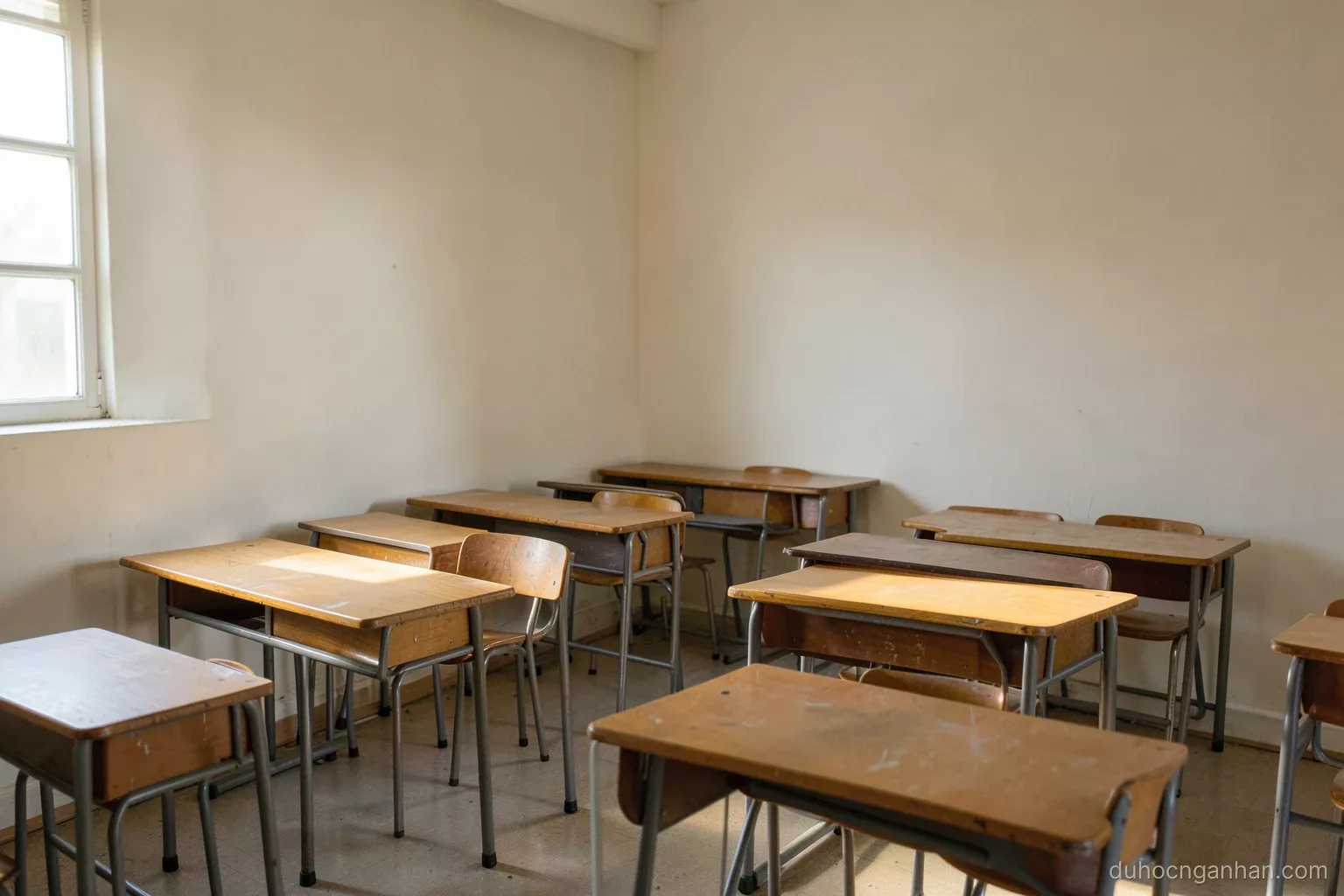
Conversely, there are periods when almost no country has a long holiday: mid-September to November, and March to May in many places. During these periods, language schools are still open but the students are mostly adults, university students and working people; programmes specifically for teenagers may be temporarily closed.
Peak and quiet seasons: comparing what parents care about
The table below compares the two extremes. Most real sessions fall somewhere in between:
| Aspect | Peak season | Quiet season |
|---|---|---|
| Group class size | Often reaches the maximum the school allows | Smaller, sometimes only a few people in a class |
| Friends of the same age | Many, easy to find like-minded friends | Few; may share lessons with adults |
| Nationality mix | At times one country makes up most of the camp | Hard to predict with few people; sometimes very diverse |
| Afternoon and weekend activities | Many and varied, with big events | Fewer, sometimes combined with adult students |
| Supervisors and staff | The school hires extra seasonal staff | Mainly permanent staff who know the job |
| Accommodation | Fully booked, little choice | Easy to choose and change rooms |
| Registration | Needs to be early; places may run out | More flexible |
One detail often overlooked is seasonal staff. In peak season, many schools hire extra teachers and supervisors on short contracts. They may be very good, but they may also be working at a camp for the first time. Asking the school what share of the staff in your child's session are permanent is a question worth asking.
Who peak season suits
Outgoing children who need friends. A child who loves a lively atmosphere and makes friends easily will have a memorable season when the camp is busy. Lots of activities, lots of groups, lots of events such as talent nights, sports days and big weekend trips.
Children going away for the first time. Plenty of friends of the same age helps your child feel less lost. If travelling with a group, the Vietnamese friends are also someone to lean on in the first days. What to weigh is whether your child relies too much on the group of Vietnamese friends.
Children who love events and group activities. Peak season is when camps run activities that need many people: tournaments between houses, end-of-course plays, contests between classes. Children who love a team atmosphere and like being given a role in a large group will find this season the most rewarding.
Families with only the summer holiday. Most Vietnamese state school pupils can only go in summer, which coincides with peak season. In that case, rather than avoiding the peak, focus on choosing a camp that is well organised for a busy season: small groups, mixed nationalities, enough supervisors.
Who quiet season suits
Children who need focused study. Small classes mean each child gets to speak more and the teacher pays more attention to each one. Children with clear language goals, or shy children who are reluctant to speak in front of a crowd, can make good progress in a small class.
Older, independent children. Pupils of fifteen or sixteen and over are usually more comfortable studying with adults, and may even learn to talk in a more mature way. Younger children easily feel lonely without friends their own age.
Families with flexible calendars. Pupils at international schools with different holidays, or families travelling with their child, can choose quiet periods for a calmer experience.
What must be asked carefully. In quiet season, the school may not run a programme specifically for teenagers. Then you need to ask clearly who supervises your child outside lessons, which area they stay in, and whether they are kept separate from adult students. A vague answer on this point is reason enough not to go. Also ask whether weekend activities run fully in this season, because when there are few students, some outings may be combined or cancelled.
How the season affects groups travelling from Vietnam
If your child travels with a group from Vietnam, the season also affects the group itself. In summer, groups are usually large, sometimes several dozen children, divided into several groups by age, with several group leaders. Large groups are fun, but the children easily cluster together and speak Vietnamese. An experienced group leader will actively place the children in rooms and activity groups with international friends.
Outside summer, groups are usually small, sometimes only a few children with one group leader. The children are forced to mix with international groups more and speak more English, but they also have less support when they feel sad. With a small group, the question of supervision is even more important: one group leader for a few children is close supervision, but if the group leader is ill or has to take a child to the doctor, who looks after the others?
Ask the organiser about the expected size of the group in your child's session, the number of group leaders, and how they allocate rooms between Vietnamese and international pupils. Those three questions tell you whether your child will have a real international experience or a group outing of Vietnamese pupils abroad.
Reading the season of a specific session with three questions
There is no need to guess. Ask the organiser three questions: how many pupils under eighteen are expected in this session, which countries they come from and in what proportions; what is the maximum group class size and the average for this session; and how many supervisors are dedicated to teenagers, and are they permanent or seasonal staff?
Those three answers are enough to place the session in peak or quiet season, and, more importantly, enough to know whether the school has prepared for the situation of that session. A school that can give expected figures is one that monitors registrations closely. A school that only says "every session is lively" has not given parents the information they need.
Ask in writing, and ask again close to departure, because the pupil make-up changes right up to the start date. The actual figures may differ from the expected ones, but the school's willingness to update you is a good sign.
How early to register
For peak summer sessions, many programmes open registration at the start of the year and may run out of places for the younger age groups several months ahead. The teenagers' residence has a limited number of beds, and that is usually what runs out first, not places in class. If your dates are certain, registering early gives you a choice of rooms and of sessions.
In quiet season the time pressure is lighter, but you still need enough time for the visa application if the destination requires one, and for the documents for minors travelling without their parents. Two to three months is a safe margin for most nearby destinations.
Whether you register early or late, read the cancellation, postponement and session-transfer policy carefully before paying a deposit. Registering early only pays off if the family can change session when your child's school calendar changes.
One more point: when registering early for peak season, state your child's particular needs clearly in the application, such as food allergies, whom they would like to share a room with, or needing a room near a supervisor. In a busy season, requests sent late are hard to meet because rooms have already been allocated. Sent early, they give the school time to arrange things and confirm them in writing before departure.
A practical suggestion for a first time
For most families with children aged ten to fourteen going for the first time, a session on the shoulder of the peak — the first or last week of the busy season — is usually the point of balance: still enough friends of the same age, activities already running smoothly, but not too crowded. The first week of the season has the advantage of fresh staff and a new programme; the last week has the advantage that everything runs smoothly, though staff may be tired.
For a second time, once your child is used to being away from home and knows what they like, the family can try a quieter session so your child studies more deeply, or a peak session at a different destination to broaden their experience. Writing down your child's impressions after each time is the best way to choose the next.
For children under ten, the advice is usually the opposite: peak season has more friends of the same age and children's programmes run more fully, so it is rarely the wrong choice. Quiet season for young children can easily become long days with no one to play with, which is when homesickness rises most strongly.
Frequently asked questions
Will classes be too crowded in peak season?
Classes will be larger than in quiet season, but schools have a maximum class size, and reputable schools do not exceed it. What to ask is the maximum size of group classes, whether one-to-one time is cut in peak season, and whether the ratio of supervisors outside lessons stays the same.
In quiet season, will my child have to study with adults?
Possibly, if the school does not run a programme specifically for teenagers in that season. Sharing a class is not necessarily a problem for older children, but accommodation, curfews and supervisors must be separate for pupils under eighteen. This is something you must ask about clearly before registering.
How can I know in advance whether a class will have many pupils from one country?
Ask the organiser for the expected nationality mix of the session, and ask again close to departure. A school that monitors registrations closely will answer with figures. Also ask whether the school has a policy of mixing nationalities in classes and rooms, and a rule on speaking English on campus.
Should I worry about seasonal staff in peak season?
Not necessarily; many are very good and come back for several seasons. What you need to know is whether they are trained in child protection, first aid and emergency procedures, and whether they are supported by permanent staff. Ask the school about its share of permanent staff and its pre-season training.
Should we go in the first or the last week of peak season?
The first week has the advantage of a new programme and energetic staff. In the last week everything runs smoothly, but staff may be tired and the camp starts to empty. For children going far from home for the first time, either is fine, as long as the school answers the questions about supervisors and class size clearly.