The first week at an English camp in the Philippines involves four main things: arriving and checking in, taking the placement test, attending the orientation on rules and daily schedule, and then starting the real timetable. It is also the week your child is most physically tired, because of the change of climate, the change of meal and sleep times and listening to English all day, so it is common for children to be quiet, eat little or be more irritable than usual in the first few days.
Parents can help most by knowing in advance what the first week looks like, explaining it to their child at home, and then during that week keeping in touch regularly but lightly. This article goes day by day, pointing out what usually happens and where to pay attention.
The night of arrival: from the airport to the camp
Many flights from Vietnam to the Philippines land in the evening or late at night. After immigration and baggage collection, the group boards the camp's coach to the campus, a journey of sometimes a few dozen minutes, sometimes longer if the camp is far from the airport. By the time they arrive, the children are usually tired, hungry and a little tense.
A well-run camp will have someone meeting the children right at the arrivals exit, counting heads, handing out water and snacks on the coach, and on arrival at camp taking the children straight to their rooms, showing them where to shower, where to put their suitcases and how to switch on the air conditioning. The detailed introduction to the rules is left until the next day. On the first night your child only needs to know three things: where their room is, where the toilet is, and whose door to knock on if something happens.
Your child should send their parents a short message saying they have arrived, if the camp allows phone use at that time, or the group leader can announce it in the parents' group instead. Do not wait for a long call on the first night. Your child needs sleep more than conversation, and a message saying "I'm here, so sleepy" is good news.
The placement test: why there is no need to revise
The next morning, or on the first day of the study week, most camps have the children take an entry test. It usually has multiple-choice sections on listening, reading and grammar, a short piece of writing and a few minutes of one-to-one conversation with a teacher. The purpose is to place your child in a group class at the right level and to suggest content for one-to-one lessons if there are any.
So cramming before departure brings almost no benefit. If your child does better than their real level thanks to last-minute revision, they will be placed in a hard class, sit there unable to keep up, and the first week will be heavier. The most useful advice is: do your best as normal, say you don't understand when you don't, and skip a question if you don't know it.
The one-to-one conversation makes many children nervous. Teachers usually start with easy questions such as name, age, hobbies and family, then gradually make them harder. Short answers are fine; only complete silence makes it hard for the teacher to assess. Practising a few sentences introducing themselves and the phrase "Could you say that again, please?" at home is all the preparation needed.
Class placement is usually not permanent. Many camps allow adjustments after a few days if the teacher sees that your child finds the class too easy or too hard.
The orientation: what your child is told
The orientation is when camp staff explain how life works there. For younger children, many camps have an interpreter, or the group leader explains again in Vietnamese. The usual content:
- The daily schedule: wake-up time, mealtimes, lessons, sport, self-study, evening roll call and lights out.
- Areas that are and are not allowed: the other gender's dormitory, the kitchen, the back gate, the pool when no one is supervising.
- Language rules: where English must be spoken, and what reminders there are for breaking the rule.
- Phones and devices: when they can be used, when they must be handed in, and who keeps them.
- Health: where the medical room is, whom to report illness to, and how your child's personal medicine is kept.
- Money and valuables: whether there is somewhere to deposit them, and what pocket money is used for.
- How to ask for help: whom to find, and when, if there is a problem with a friend, something is lost, they feel unwell or they are homesick.
After this session, ask your child to tell you the three things they remember most. If your child cannot remember whom to look for when something happens, ask the group leader to remind them. This is the most important information of the whole first week.
The first timetable, and changing teachers
Once the placement results are in, your child receives their own timetable: which lessons are group lessons, which are one-to-one if the programme includes them, which room and which teacher. On the first day of following the timetable, children often get lost or arrive a few minutes late, because the campus is unfamiliar and lessons keep changing rooms. Camp staff are used to this and usually stand in the corridors pointing the way.
A detail parents rarely know: many English schools in the Philippines allow students to ask for a different teacher if they do not get on, usually after the first week or within a set time frame. Your child may find a teacher speaks too fast, is too strict, or simply that their personalities do not match. Asking for a change is not a criticism of the teacher, and your child should know they have that right.
On the other hand, your child should give each teacher a few sessions before deciding. On the first day everyone is still a bit awkward. If after three or four sessions your child still feels they cannot learn, they should tell the academic staff or the group leader so they can help with the process. For young children, parents can ask through the group leader, but should let their child explain the reason in their own words.
The three most tiring days: normal signs and signs to report
From the second to the fourth day is usually the low point of the first week. The table below helps distinguish tiredness from adapting and signs that should be reported to the person in charge:
| What your child says | Usually | When to tell the camp |
|---|---|---|
| I'm tired and sleepy all day | A slight time difference, listening to English constantly, heat and humidity | Tiredness with fever, exhaustion, unable to get up |
| I'm eating very little | Not used to the taste of the food yet, eating lots of snacks | Skipping meals entirely for two or three days, vomiting, a lasting stomach ache |
| I can't sleep | An unfamiliar room, unfamiliar roommates, the noise of the air conditioner | Several nights in a row, crying, being afraid of something specific |
| I don't understand the lessons | Not used to the teacher's accent yet, the class is a bit hard | After a week still unable to keep up even after changing class |
| I want to come home | Typical first-week homesickness | Your child mentions being teased, threatened or afraid of a specific person |
The last column is the important line. Tiredness and homesickness will gradually ease; but a lasting fever, refusing food or bullying need the adults at camp to know straight away, even if your child asks you not to tell.
What parents should do in the first week
Keep to the agreed call schedule. Call at the agreed time, and do not call repeatedly outside it. A regular call every evening or every other day gives your child more of an anchor than ten messages in the middle of lessons.
Ask specific questions; avoid ones that easily make your child emotional. "What did you eat today?" and "What is your roommate's name?" are easier to answer than "Do you miss home?". Specific questions bring your child back to the present at camp rather than to the house in Vietnam.
Do not promise to collect them early. "If you can't bear it, Mum will come and get you" is said out of love, but it turns every small difficulty into a reason to give up. Instead, tell your child that everyone is tired in the first week and that you believe they will get through it.
Contact the group leader when something seems odd. If a call leaves you worried, message the group leader or the person in charge privately, describing exactly what your child said. They see your child every day and usually know things parents cannot see through a screen.
Be prepared for silence. Some children send almost no messages because they are busy and happy. Silence together with photos of your child smiling in the parents' group is usually a good sign, not a sign your child has forgotten home.
Preparing at home to make the first week easier
Most of the difficulties of the first week come from unfamiliarity. Unfamiliarity can be reduced if your child has pictured things in advance. A few things that can be done in the week or two before the flight:
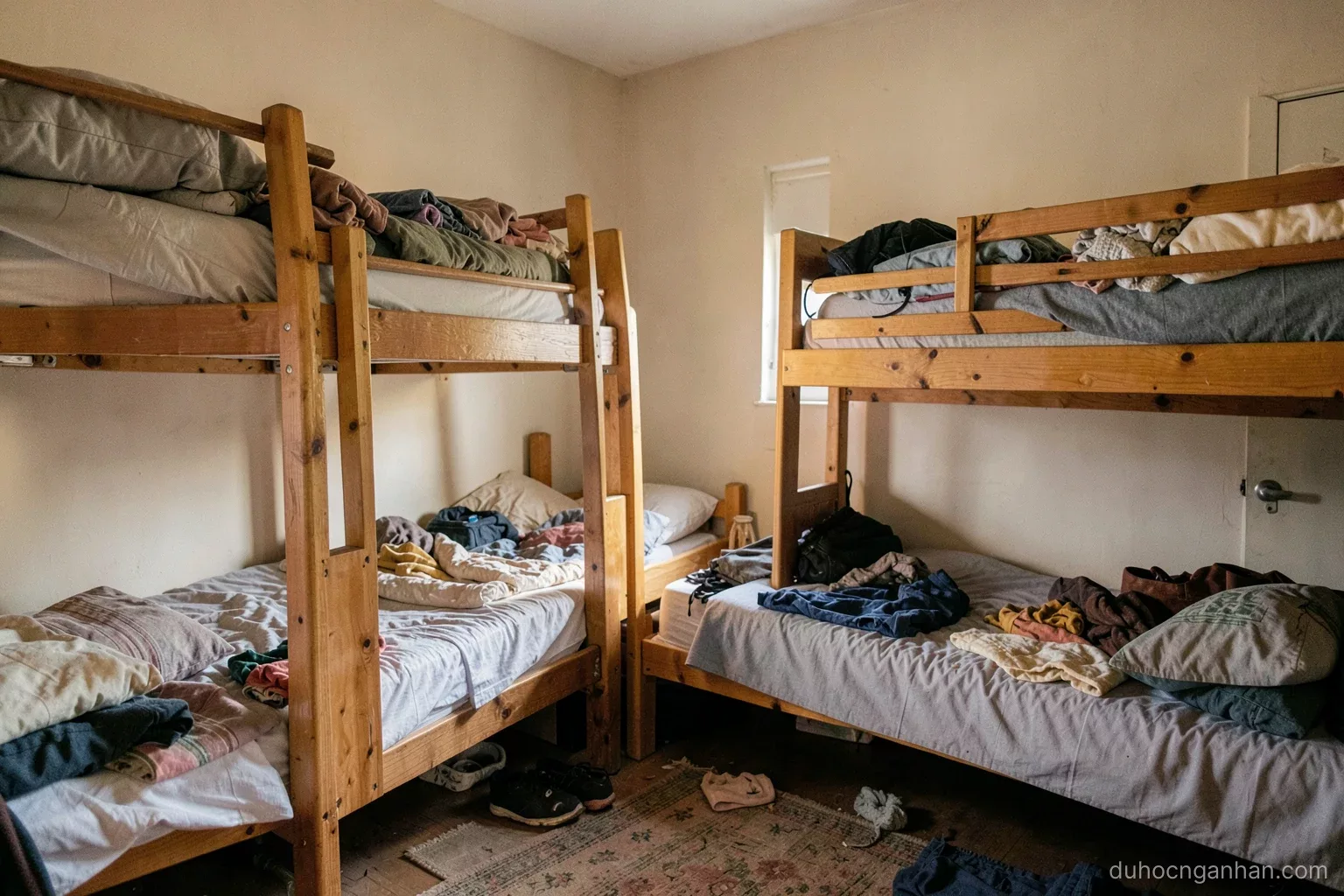
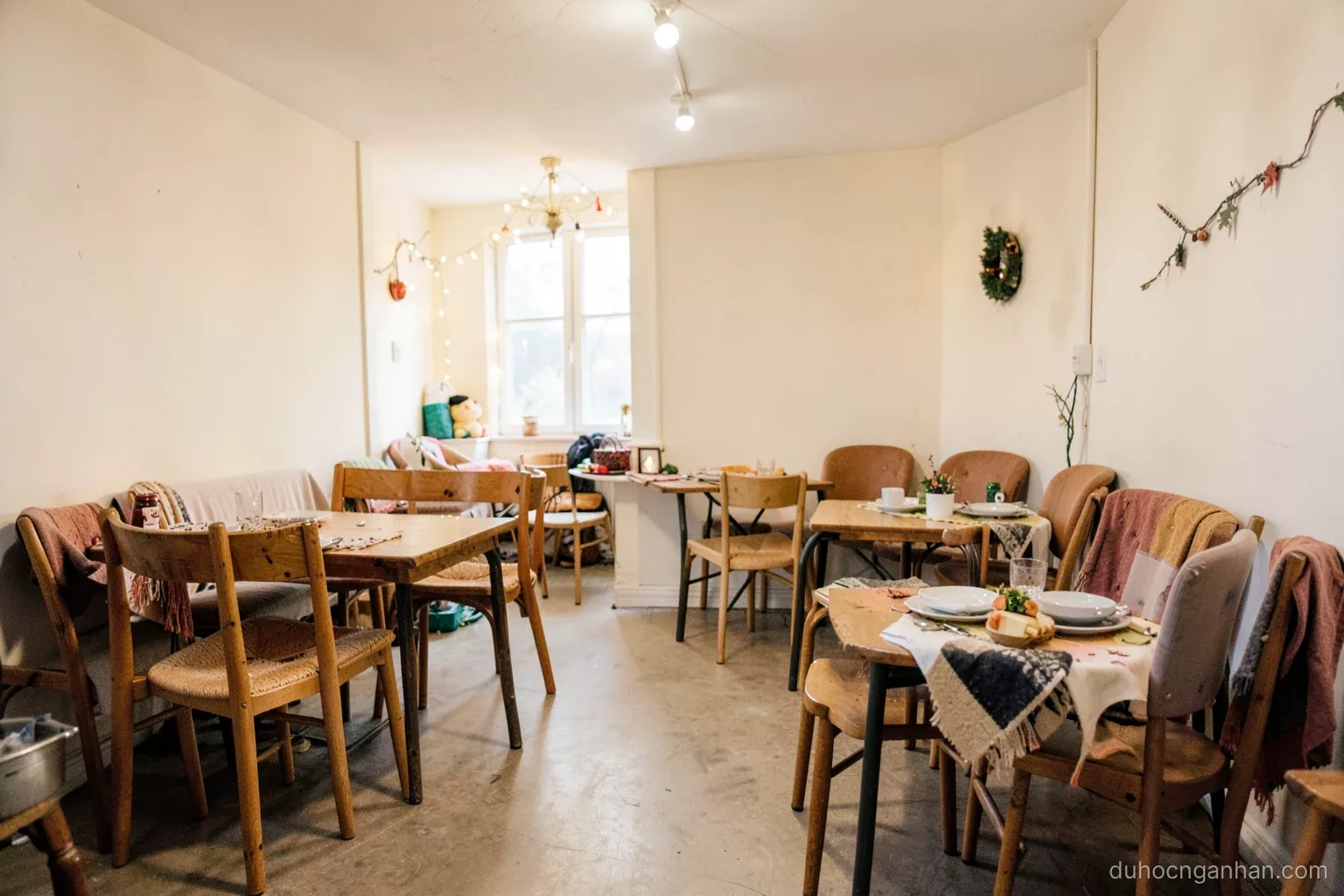
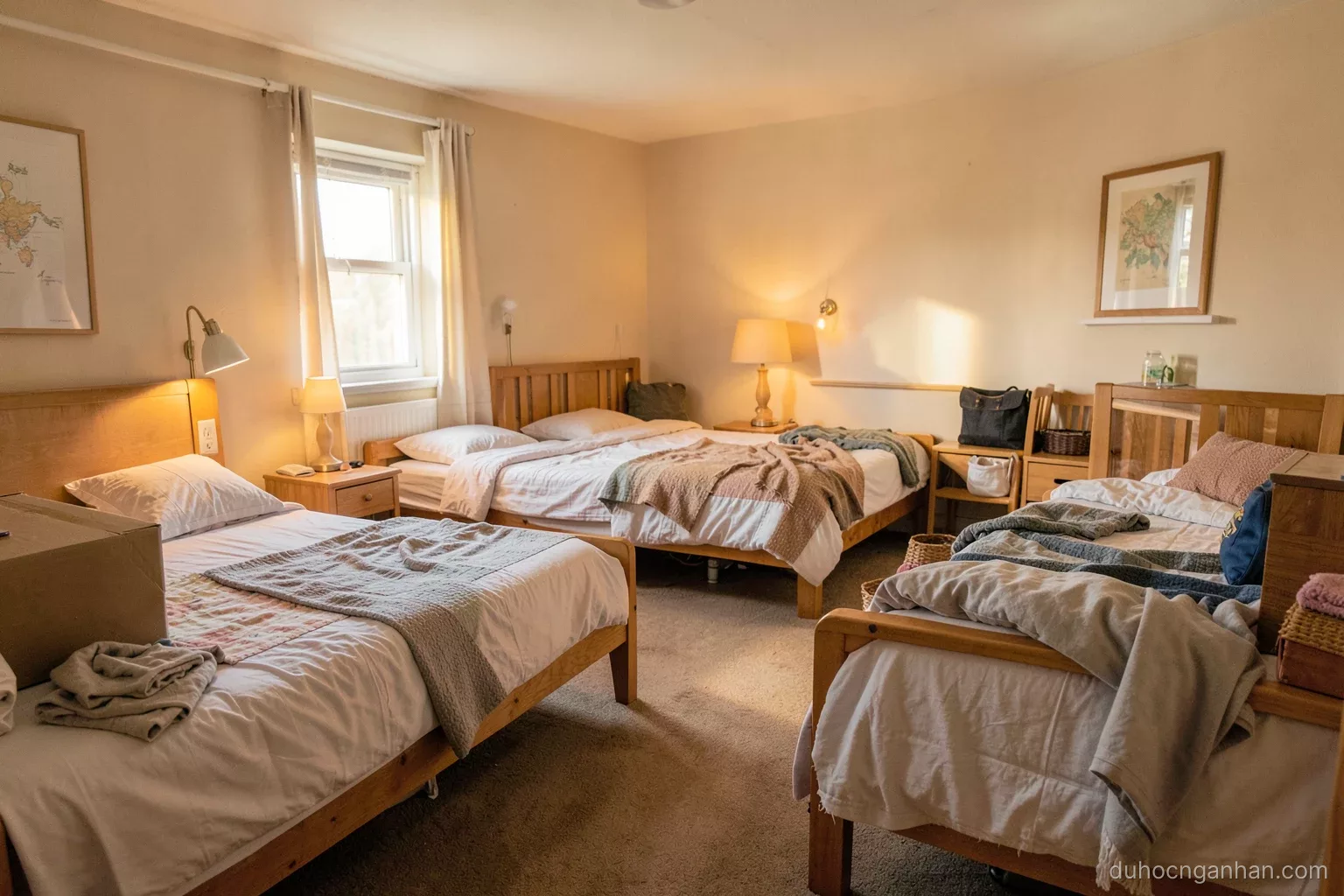
- Look at photos of the campus with your child. Ask the organiser for photos of the bedrooms, canteen, classrooms and playground. If your child already knows what their bed looks like, the first night feels less of a shock.
- Read the daily schedule with your child. Put the camp's schedule next to your schedule at home, point out which times are earlier for getting up and going to bed, and practise getting up at camp time for the last few days.
- Practise five survival sentences in English. Asking someone to repeat, asking to go to the toilet, saying you are unwell, asking the way, saying which foods you cannot eat. Write them on a sheet of paper for your child to keep in their wallet.
- Let your child pack their own suitcase. If your child packs it, they know where everything is, and on the first evening they do not have to turn the whole suitcase upside down looking for a toothbrush.
- Talk about homesickness in advance. Explain that everyone feels sad at times in the first week, that feeling sad does not mean the trip has gone wrong, and that your child can talk to the group leader at any time.
These things take a few evenings but help your child walk into camp with a map in their head. Children with a map are usually calmer than children who have to draw the map themselves while tired and hungry.
The end of the first week
By the first Saturday or Sunday, most children have found their rhythm: they know the way between classrooms, remember the names of a few friends and know which canteen dishes suit their taste. The first outing is usually when the children become close quickly, because they sit on the coach together, queue together and have fun together in an unfamiliar place.
Many camps have a short test or feedback session at the end of the first week. The aim is for teachers to adjust their teaching, not to rank your child. If your child mentions a low score, ask which part they found hard rather than comparing them with friends.
The first Sunday call is usually longer and happier than the calls during the week. If your child is still very sad, still crying and still asking to come home at this point, that is the time to discuss carefully with the group leader how to support them in the second week, rather than waiting longer.
Frequently asked questions
Does my child need to bring their English results from Vietnam for class placement?
Usually not required, because the camp runs its own test. Bringing a copy of recent results may help teachers for reference, especially if your child holds an international certificate, but placement is still based on the test taken at camp.
What if my child is placed in a class that is too easy?
Your child should tell the teacher or the academic staff after a few sessions. Many camps have a mechanism for reviewing placements in the first week. An easy class is sometimes useful for the first weeks because your child regains confidence in speaking, so there is no need to rush to change on the first day.
In the first week, can my child call home every day?
It depends on each camp's phone rules. Many places allow phone use in an evening time slot. Agreeing a fixed call schedule in advance is better than expecting to call at any time, because your child does not have to choose between calling home and playing with friends.
What if a young child does not understand the orientation in English?
Ask in advance whether the camp has a Vietnamese speaker or whether the group leader will explain again. If not, parents can ask for the rules in advance to explain to their child at home, together with a short note in Vietnamese for your child to carry.
Should I send familiar food for my child to take for the first week?
A little familiar dry food helps your child feel more comfortable in the first few days, but check whether the camp's rules allow food in rooms and the entry rules on food. Do not send so much that your child never tries the canteen food.
When should I really worry that my child is not adapting?
When after about a week your child is still refusing food, sleeping badly for many nights, showing signs of illness, or mentions being teased or threatened. At that point, talk directly with the person in charge to make a concrete plan, rather than just telling your child to try harder.