The final week of a season at an English camp in the Philippines usually includes the end-of-course test, the teachers' learning report, a closing ceremony where certificates of completion are presented, and days of saying goodbye to friends before heading home. The report and the certificate show what your child has studied, how they took part and where they need to work harder; they are not international certificates and should not be read as a ranking.
How parents read these documents and how they talk with their child in the last few days greatly affects what your child brings home. This article goes through each part of the final week, how to read the report correctly, and the wrap-up conversation to have after your child comes home.
What the final week looks like
The study rhythm usually stays the same for the first few days of the final week, then gradually shifts to revision and testing. The end-of-course test often has the same structure as the placement test on the first day, so teachers can compare the two points in time. Some exam-preparation programmes add a mock test in the format of an international exam.
At the same time comes preparation for the closing ceremony: the children rehearse performances, short speeches and group presentations. This is when shy children often surprise everyone, because after a few weeks they are confident enough to stand in front of a crowd and speak English.
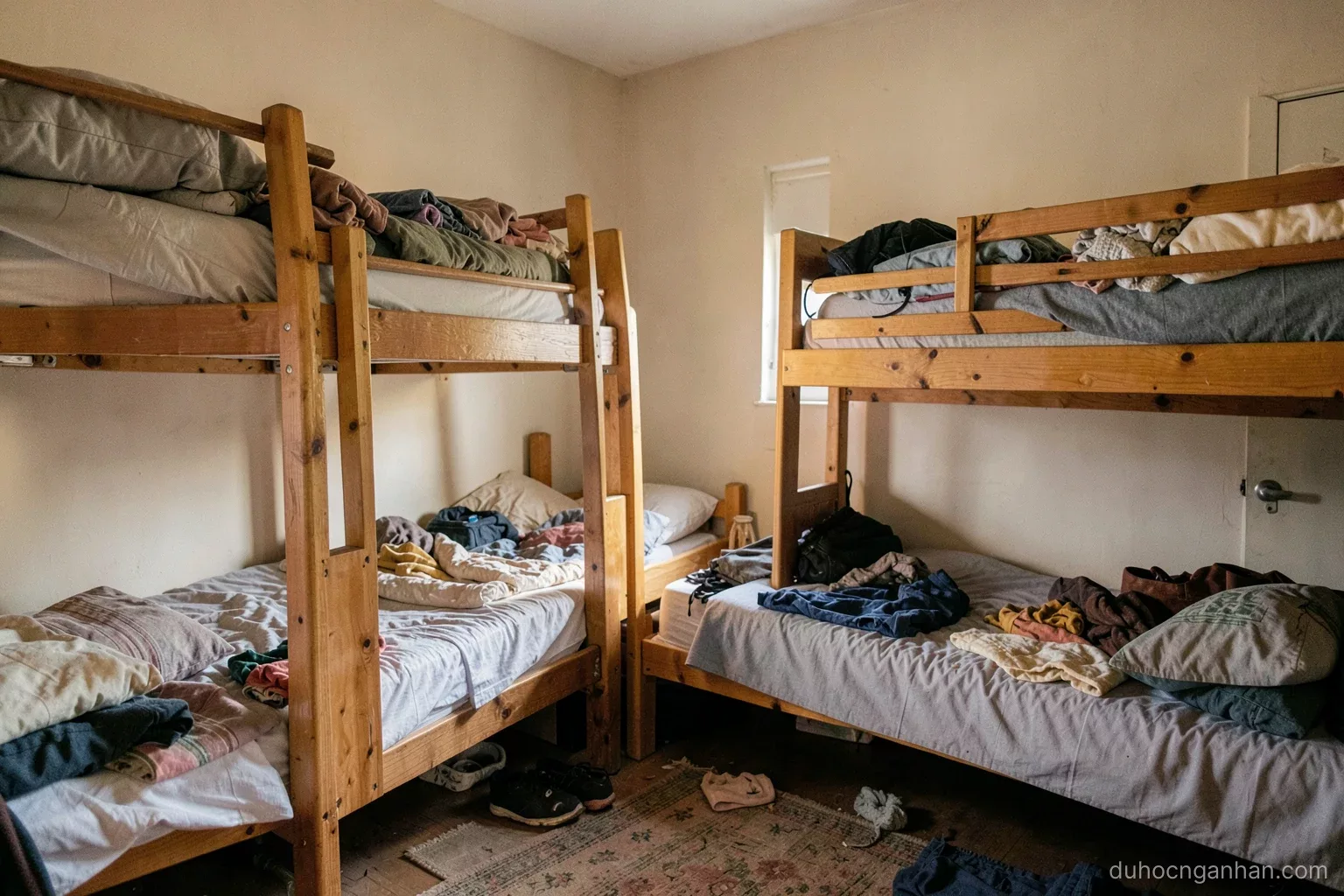
The last two days are for packing up: checking out of rooms, returning borrowed things, collecting passports and money held by the camp, packing suitcases. The children's feelings are mixed: happy to be seeing their families soon, sad to say goodbye to friends, tired after days packed with activities. Crying at the farewell is common, even for children who complained about wanting to go home in the second week.
For parents, the final week is the time to check the logistics of the return: flight times, who is meeting your child at the airport in Vietnam, whether your child still has pocket money, whether their luggage will be overweight with souvenirs. The group leader usually sends information about the return trip at the start of the final week; read it carefully and confirm so there are no surprises on the day you collect your child.
What the end-of-course test measures
It compares your child with themselves. The main value of the final test is the comparison with the same pupil's test at the start of the course: where your child has gone up and where they have stayed the same. Comparing your child's result with others in the group tells you nothing useful, because each child started at a different level.
It is usually more sensitive to speaking and listening. In a few weeks of living in English, listening and speaking reflexes usually change more visibly than grammar and writing. If the report shows progress in speaking while writing stays the same, that makes sense; it is not a sign your child was lazy.
A test is one day. Your child is tired, has just stayed up late at the farewell party, is worried about the flight: all of this affects the test. A single figure does not tell the whole story of what your child has achieved.
It is not an international certificate. The school's test, even when it follows the format of an international exam, is only an internal estimate. For a recognised certificate, your child must sit the official exam run by an examining body.
Reading the learning report correctly
A camp's learning report usually includes an assessment by skill, the teacher's comments and attendance information. The table below suggests how to read each part:
| Part of the report | What it usually states | How parents should read it |
|---|---|---|
| Assessment by skill | Levels or scores in listening, speaking, reading and writing, at the start and end of the course | Look at the direction of change, not the absolute figures |
| Teacher's comments | A few sentences on attitude, strengths and areas to work on | The part most worth reading carefully, with the most specific information |
| Attendance | Number of sessions attended, lateness, homework | Shows whether your child kept up with the camp's rhythm |
| Recommendations | Suggestions for the next class or skills to practise | Use as a starting point for a study plan at home |
| Activities, awards | Performances, competitions and encouragement awards, if any | Recognise the effort; do not turn it into a measure against friends |
If the report has only scores and not a single line of comment, parents can ask the group leader to ask the teacher a few specific questions about their child. A comment such as "asks again confidently when she doesn't understand" is far more useful for future learning than a number. When you show the report to your child's English teacher in Vietnam, the comments are also the part that helps them continue your child's learning most quickly.
The certificate and the closing ceremony
The certificate of completion shows your child's name, the name of the course, the dates of attendance, and sometimes a final level on the school's own scale. It is proof that your child took part, has value as a keepsake and can be included in your child's activities record. It does not replace an international language certificate and should not be presented as one.
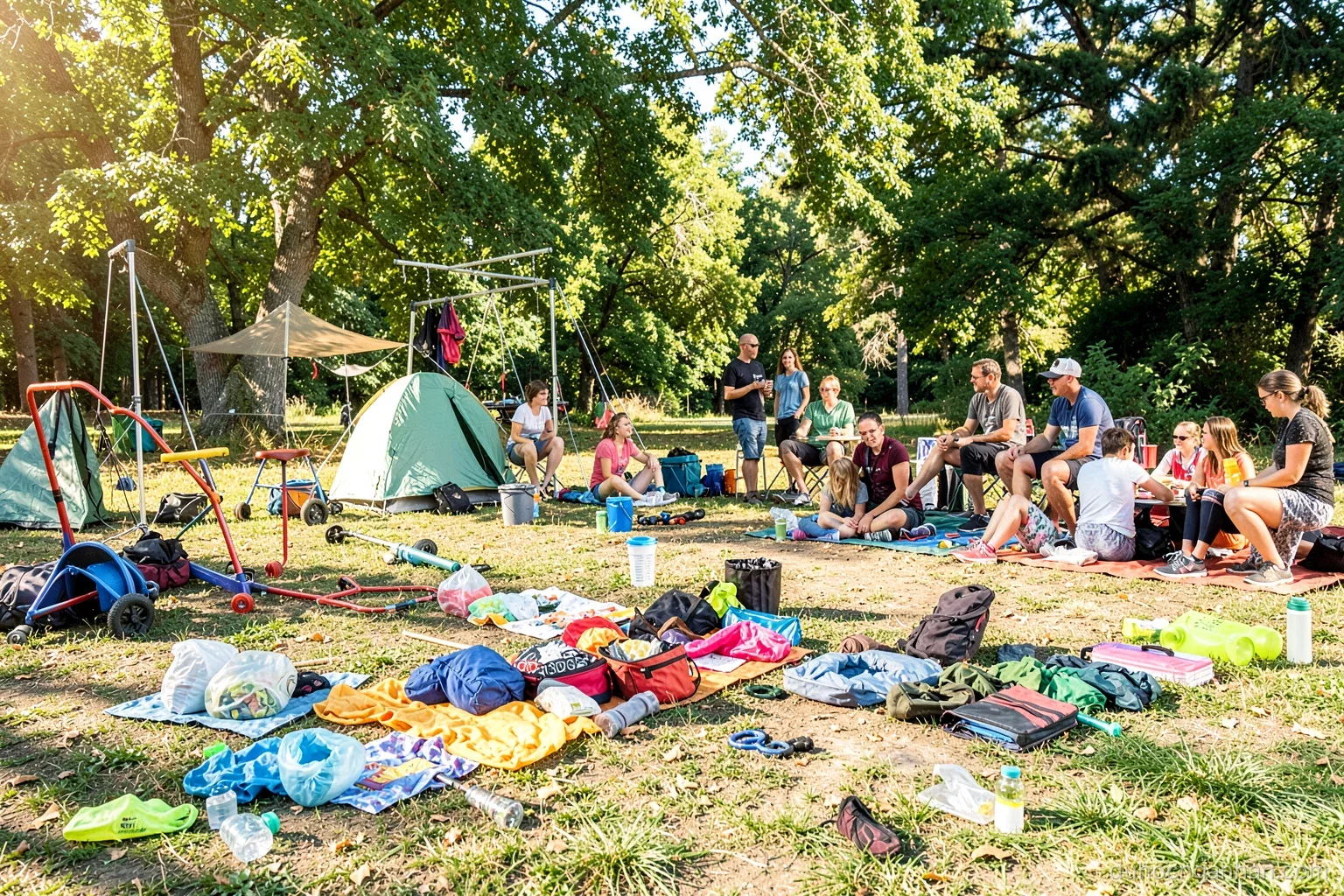
The closing ceremony is usually the liveliest event of the whole camp season. The children give performances, read short speeches, receive their certificates and take photos with teachers and friends. Some camps give encouragement awards such as most improved pupil, friendliest pupil or best team. For many children, standing on stage and saying a few sentences in English in front of the whole camp is the moment they remember most.
Parents at home usually watch the ceremony through photos or videos sent by the group leader. When your child calls after the ceremony, ask about their performance, how it felt to be on stage and the friend they had their photo taken with, before asking about scores.
Leaving day: things often forgotten
The morning of leaving camp is usually rushed because the coach to the airport has a fixed time. Remind your child to go through this checklist the night before, and ask the group leader to remind the whole group:
- Passport and documents held by the camp: collect them and put them in hand luggage, not in the checked suitcase.
- Money held by the camp and top-up cards: collect any balance and ask how it is refunded if it is a camp card.
- Personal medicine still in the medical room: collect it, with the doctor's documents if any.
- Clothes on the washing line, items sent to the laundry, chargers plugged in at the shared charging point: the places where things are most often forgotten.
- The certificate and learning report: keep them in a stiff folder in hand luggage so they do not get creased.
- Things borrowed from the camp or from friends: return them before leaving.
Items left at camp can sometimes be sent home, but it takes time and costs money. Ten minutes of checking on the last evening saves a lot of trouble later.
Saying goodbye to friends and keeping in touch safely
A few weeks of living together is enough for children to make real close friends, often of other nationalities. Wanting to keep in touch is natural; a few rules are all that is needed to stay safe:
- Exchange accounts on apps the parents know about and agree to; for younger children, through an account managed by the parents.
- Do not share home address, school or ID numbers in the first exchanges.
- Only connect with friends your child really got to know at camp; for unfamiliar adults or "friends of friends", ask the parents first.
- Only post group photos publicly when the friends in the photo agree.
- Talking with friends in English after coming home is the most natural way to keep up the language.
After a few months, many contacts fade, and that is normal. A few friendships last and become a reason for your child to keep using English.
The wrap-up conversation after your child comes home
A few days after your child gets home, once they have caught up on sleep and recovered, set aside an evening to talk about the camp season. Not a grading session, but a conversation that helps your child put names to what they have been through:
- Ask your child for the three moments they remember most, and why.
- Ask your child when things were hardest, and what they did to get through it.
- Ask your child what they learned from a friend or an adult at camp.
- Read the teacher's report together, and ask your child whether they agree with the comments.
- Ask your child which habit from camp they want to keep at home: getting up early, tidying their own room, reading in English, playing sport.
- If your child wants to go again, ask what they would like to be different next time.
Your child's answers are valuable information for choosing the next programme, more valuable even than the score sheet. Write down a few main points; a year later, reading them again, the family will see what the camp season left behind. With young children, you can let them draw or stick photos into a memory book instead of answering in words; children often tell more through pictures than when asked directly.
What parents should avoid when their child comes home
Do not open with "So how many points did you go up?". Your child has just been through several weeks of hundreds of experiences; reducing it all to a single figure makes your child feel the most precious part has not been seen.
Do not compare your child with others in the group or with acquaintances' children. Every child starts from a different place and moves at a different pace. Comparisons easily make children reluctant to talk about the camp season, even the happy parts.
Do not make your child perform their English in front of relatives on their first day back. Many children can speak more after camp, but when asked to "say something in English for your aunt and uncle", they freeze. Your child's English will show itself on natural occasions.
Also, do not let the camp season close completely once the suitcase is put away. Keep up a few small habits, encourage your child to message their international friends, let them watch films and read stories in English. These things help what your child gained at camp not to slip away too quickly.
And do not forget to say thank you. A short message thanking the group leader, and a note your child writes themselves to a teacher they liked, is a gracious way to close the camp season. Your child learns that the people who looked after them deserve recognition, a lesson that is not in any report.
Frequently asked questions
Can the camp certificate be used for school or scholarship applications?
It can be included in an application as evidence of extracurricular activity and international experience, but it cannot replace the international language certificates that schools or scholarship programmes require. How schools assess this certificate varies from place to place.
If the report shows my child did not make progress, was the trip useless?
Not necessarily. A few weeks is a short time, and a test only measures some skills on one day. Many changes, such as speaking up more, independence and international friendships, do not show on a score sheet. The teacher's comments and your child's own story give a fuller picture.
Can parents attend the closing ceremony?
It depends on the camp and the programme. Most parents watch through photos and videos sent by the group leader. Some camps allow parents to attend if they register in advance. Ask the camp early if your family wants to combine collecting your child with attending the ceremony.
Is it a problem if my child cries a lot when saying goodbye to friends?
It is a normal reaction and even a sign that your child has become attached to the camp. Give your child time to be sad and do not rush to brush it aside. Helping your child keep in touch safely with a few close friends usually eases the sadness after a few days.
Should my child take an international certificate exam right after coming home?
It depends on your child's goal and level. If your child is preparing for a specific exam, taking it soon after camp makes use of their current good reflexes. If there is no exam goal, there is no hurry; keeping up the habit of using English matters more.
What if my child begs to go to camp again next season?
That is a good sign. Use the wrap-up conversation to understand what your child enjoyed and what they would like to be different, then weigh up the timing, the programme and their studies at home. A second time can often be a different or longer course.