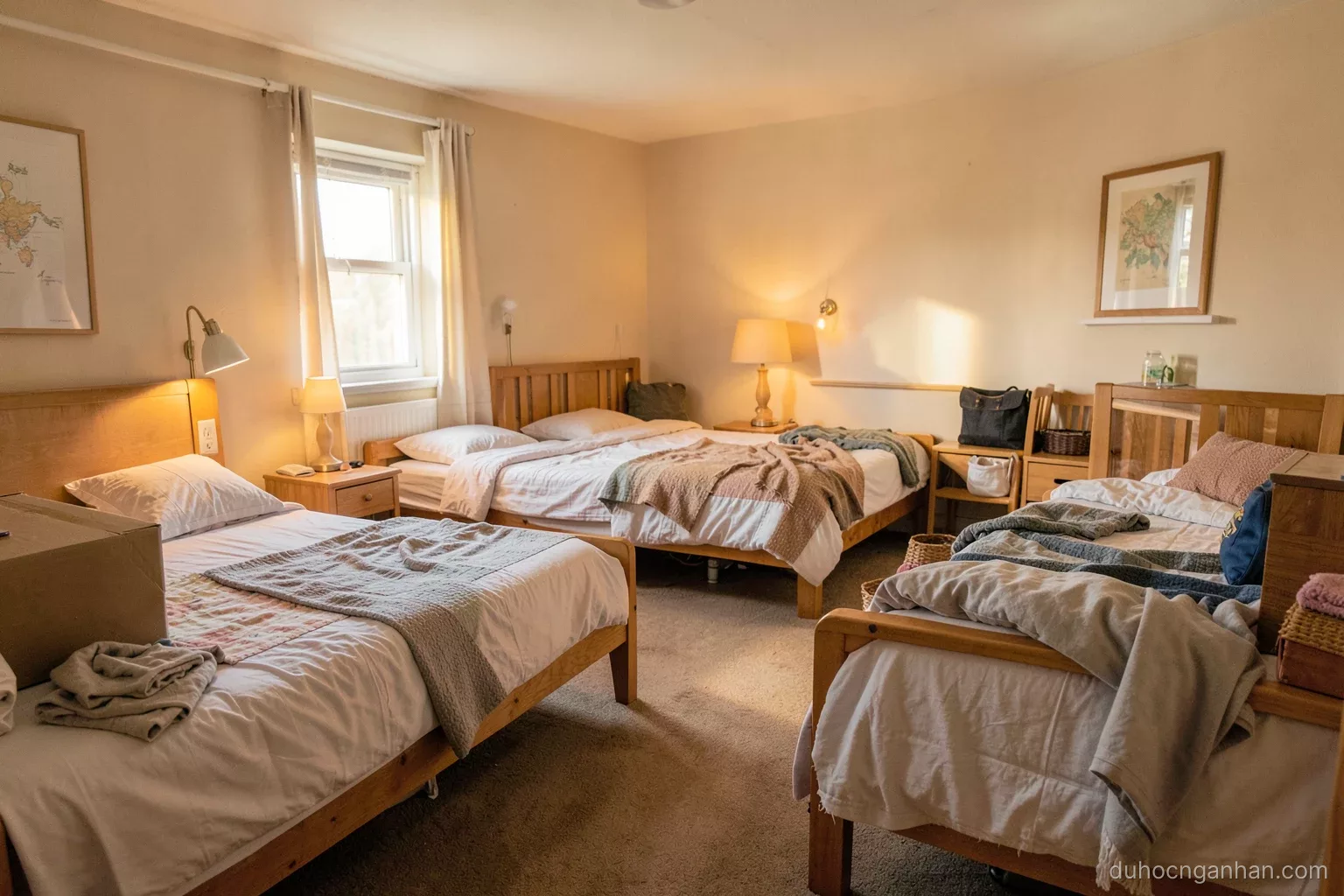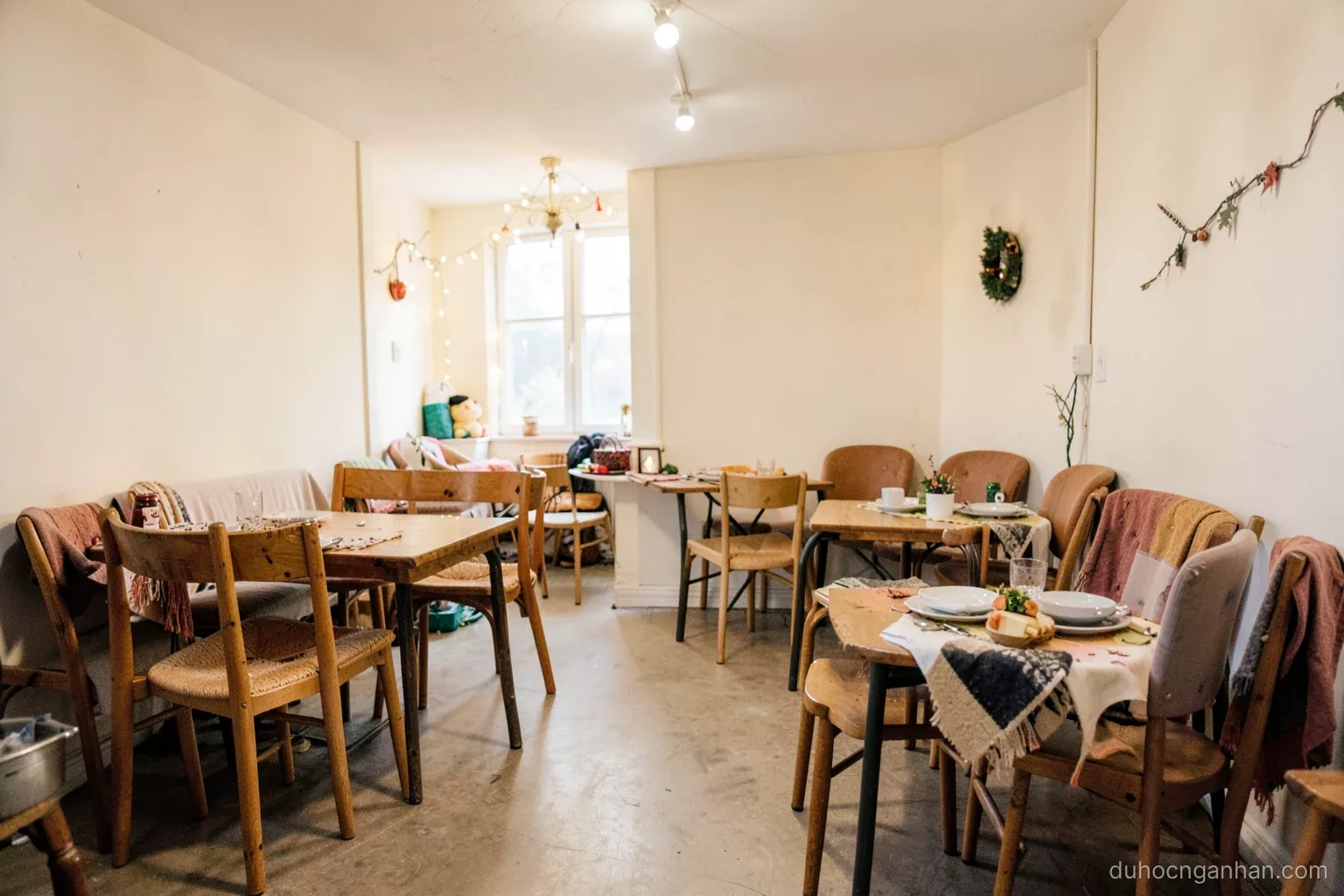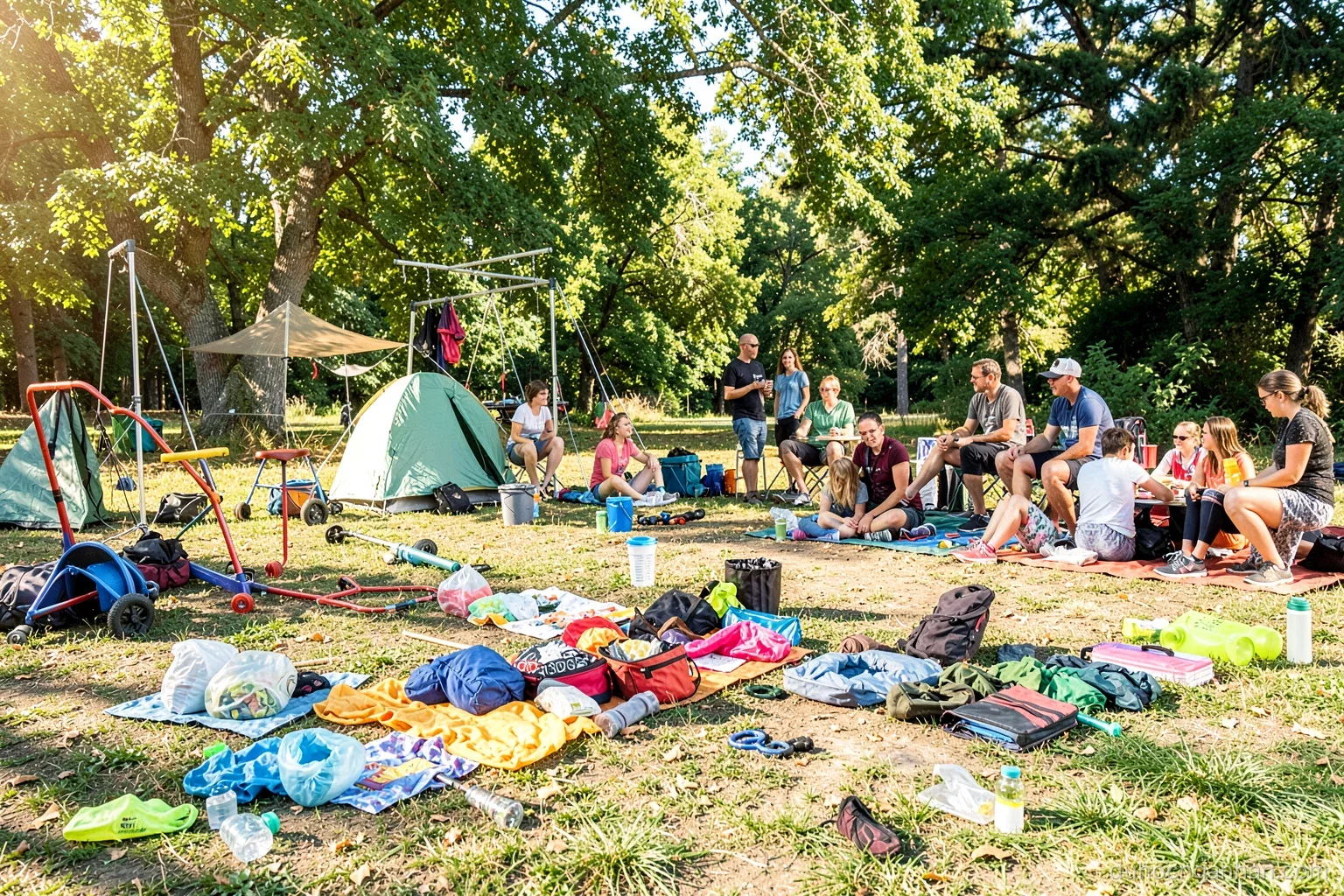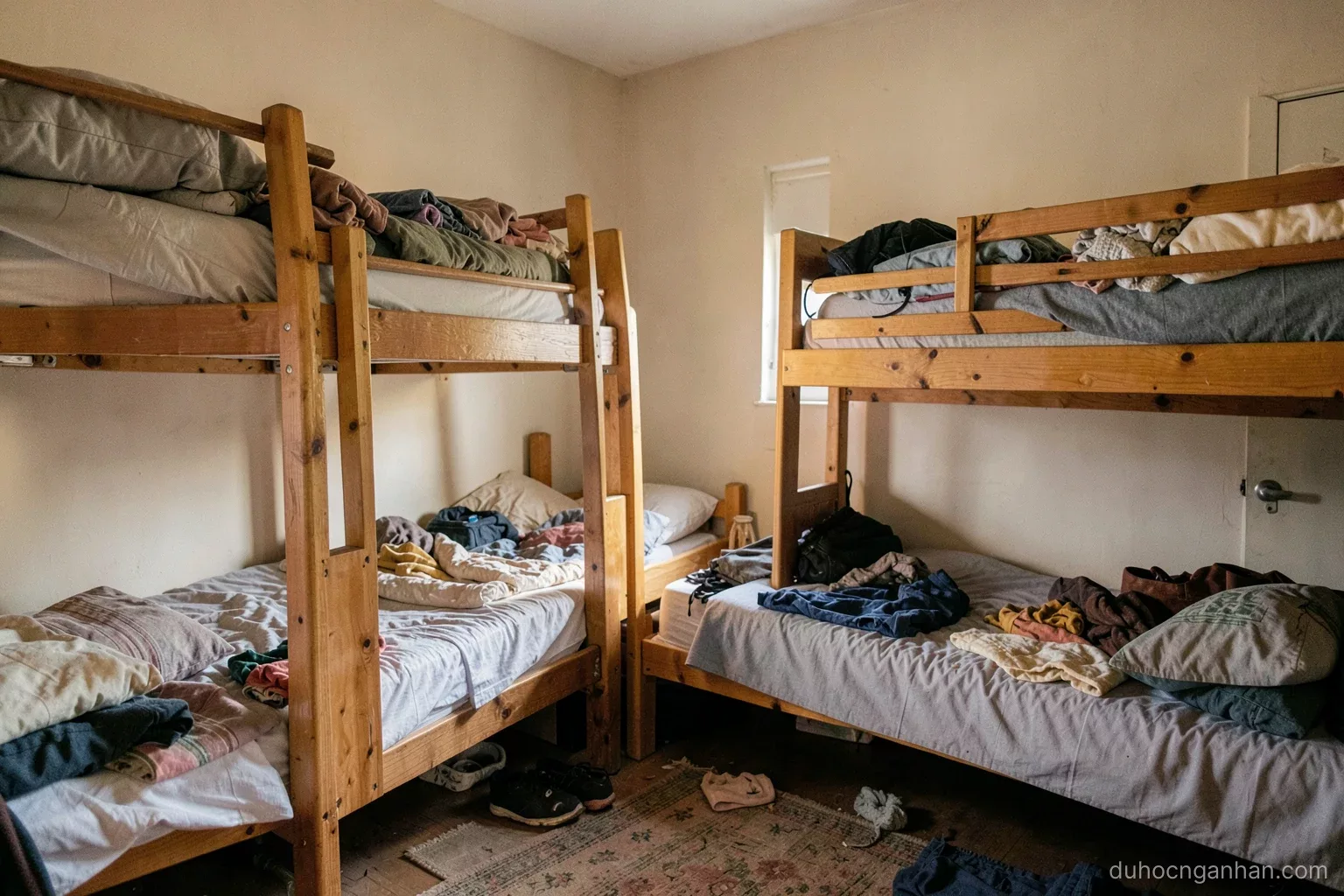
At a residential English camp in the Philippines, your child usually shares a room with two to four others of the same gender and similar age, and many camps deliberately mix nationalities so the children have to speak English with each other. Roommates are the first people your child sees every morning and the last every night, so whether they get on affects the whole camp season more than whether your child gets on with the teachers.
Most clashes in the room are small: lights-out time, the air conditioning temperature, who uses the bathroom first, belongings left lying around, noise during phone calls. They are easy to resolve if your child knows how to raise them early, and hard to resolve if your child keeps quiet and then stays annoyed all week. This article goes through how camps assign rooms, the clashes that often happen and how to help your child live with others before they leave.
On what basis camps assign roommates
The fixed criteria at almost every camp are gender and age group. Boys and girls stay in separate areas, usually separate floors or buildings, with an adult in charge of each area. Younger children are placed near each other and older ones in another group, because the two groups have different bedtimes and levels of freedom.
The second criterion is nationality. Many English schools in the Philippines take pupils from South Korea, Japan, Taiwan, China, Vietnam and other countries. When the pupils are diverse enough, camps usually put at least two nationalities in each room. If a session has too many pupils from the same country, mixing becomes harder and the children easily cluster together speaking their mother tongue.
Some camps let parents state a preference: wanting your child to share with a sibling or a close friend travelling with them, or the opposite, wanting your child to share with foreign friends. Preferences are usually considered but rarely guaranteed. If this matters to your family, state it clearly on the registration form and check again before the flight.
In addition, some camps have an adult, such as a house manager or a teacher who lives at the camp, sleeping in the same area or on the same floor as the children to supervise in the evenings. Arrangements differ between places, so it is worth asking in advance.
Sharing with friends from the same country or a different one
Parents often wonder whether to ask for their child to share with Vietnamese friends or foreign friends. Each option has its gains and losses:
| Aspect | Sharing with friends from the same country | Sharing with friends from another country |
|---|---|---|
| The first week | More comfortable, with someone who speaks Vietnamese when tired | More tense, but your child is forced to speak up early |
| Amount of English each day | Little; evenings are almost all in Vietnamese | A lot; even small talk is in English |
| Clashes | Few misunderstandings because of shared habits | Frequent misunderstandings because of different habits in washing, sleeping and eating |
| What your child learns | Friendship with people from home | How to speak clearly and politely with people from another culture |
| Suits | Young children, first time away, very shy | Older children, already used to sleeping away, wanting to practise speaking |
A compromise many families choose: your child shares a room with foreign friends, but has a Vietnamese friend in the room next door. Your child still has Vietnamese-speaking support when needed, while most of the time in the room is in English.
Five common clashes in the room
The air conditioning temperature. Some children are used to sleeping very cold, others to sleeping with a fan. In a hot, humid country, this is a debate that happens every night. A moderate middle setting, with a thin blanket for anyone who feels cold, is usually the way out.
Lights-out time and noise. The camp has a common bedtime, but there is still a gap between returning to the room and lights out. One friend calling home loudly, one listening to music, one needing quiet to revise vocabulary: three needs that collide.
The bathroom in the morning. Four people sharing one bathroom in the twenty minutes before roll call is a real queuing problem. Rooms that agree the order the night before have calm mornings.
Things left lying around and things borrowed. Wet clothes on a friend's bed, a phone charger taken by mistake, snacks disappearing. These small things build up quickly if nobody says anything.
Language in the room. Two friends from the same country speak their mother tongue together, and the third feels left out. This is a quiet source of discomfort that those involved rarely notice, and it is also why many camps require English to be spoken in rooms.
The first nights in an unfamiliar room
On the first night in the dormitory, many children lie awake even though they are very tired. The hum of the air conditioner, a roommate turning over, the corridor light coming through the gap under the door, the different smell of the bedding — all together make it hard for the brain to switch off. This is so common that experienced dormitory staff usually do a round to check on the children on the first and second evenings.
The roommates are going through exactly the same feeling, they just do not say so. In some rooms the children stay up late talking in halting English and become friends from then on; in others each child turns to the wall in silence. Both are normal. After three or four nights, once the body is used to the new timetable and the daytime schedule is full enough, most children sleep well.
A few small things make the first night easier: a cuddly pillow or a top that smells of home, an eye mask and soft earplugs for children sensitive to light and noise, a bottle of water by the bed. Tell your child that if they are still awake very late, or feel scared, they should knock on the night staff's door. The night staff are there precisely for that, and your child is not bothering anyone by calling them.
A few English phrases to help your child negotiate in the room
Many clashes drag on not because the child is selfish but because they do not know how to say it politely in English, so they choose silence. Practising a few model sentences in advance helps your child speak up early:
- "Can we decide what time to turn off the lights?" to open the discussion about bedtime.
- "Is it okay if I take a shower first tomorrow? I can go last the next day." to swap turns so nobody loses out.
- "Could you please ask before using my charger?" to raise borrowed things without accusing anyone.
- "I am a bit cold. Can we set the air conditioner a little higher?" to discuss the temperature.
- "Sorry, I need some quiet time to study for twenty minutes." to ask for quiet.
- "Can we speak English in the room so everyone understands?" to raise the language issue gently.
The words do not need to be perfect. What your child needs to learn is the habit of stating a specific need, in an ordinary tone, before anyone is annoyed. This is a skill they will use long after the camp season.
When to ask to change rooms
Changing rooms is not the first solution. Most camps want the children to try to reach agreement themselves first, and only then ask the dormitory manager to mediate. A conversation with an adult sitting in usually sorts out things like noise, shower times and mess.
There are cases where you should ask for a room change straight away without waiting for agreement: your child is repeatedly teased by a roommate, threatened, has things deliberately taken, is pressured into doing things they do not want to do, or there is behaviour that makes your child feel unsafe in their bedroom. These matters are the camp's responsibility, not something your child has to put up with "to toughen up".
The effective way to ask for a room change is to be specific: what happened, when, how many times, and what your child has already tried. Your child tells the dormitory manager or the group leader; parents at home also message the group leader to make sure the information reaches the right person. A well-run camp will respond the same day and explain how it will handle it.
There are also cases where your child wants to change simply to be with a new best friend. This depends on the camp; some allow changes at the weekend if there is space. Parents can ask, but do not turn it into a tense negotiation.
What living together teaches your child
Many parents send their child to camp for the English, and then when the child comes home, what they mention most is something else: their child folds their own blanket, washes their own underwear, knows how to wait their turn and apologises to a foreign friend for making noise. In a shared room, your child cannot wait for an adult to tidy up or sort everything out for them.
Your child also learns to look at other people's habits without judging. A Japanese friend takes their shoes off at the door and lines them up neatly, a Korean friend has different daily habits, a Vietnamese friend is used to an afternoon nap. No habit is more correct than another; the children have to find common ground so the whole room can live together.
These lessons do not come by themselves. If nobody helps your child name what they have just been through, it may remain only as the memory "my room had an annoying roommate". After camp, ask your child: what did you agree with your roommates, when did you keep quiet when it would have been better to speak up, what would you do differently if you went again? Those three questions turn clashes into experience.
Many families say that what their child brings home most clearly is not a new English phrase but the habit of asking others before doing something that affects the whole room. At home, that habit shows up in very small things: your child asks their sibling before switching on the light, asks their mother before borrowing a charger.
Preparing your child to live with others, starting at home
A few small habits practised at home help your child become a pleasant roommate and avoid complaints from others:
- Practise keeping their things tidy in one area, not letting them spread onto other people's beds and desks.
- Practise showering quickly within a fixed time, because mornings at camp have no room for half-hour showers.
- Practise using headphones when listening to music or watching films, and speaking quietly on the phone when others are resting.
- Label personal items such as chargers, water bottles and towels to avoid mix-ups.
- Practise saying "no" politely when a friend wants to borrow something valuable or suggests doing something against the rules.
If you have several children, let them try sharing a room for a few nights before departure. Small clashes at home, with parents guiding them on how to reach agreement, are very close practice for what your child will meet at camp.
Frequently asked questions
Can my child choose their roommates in advance?
Usually you can only state a preference, not choose exact people. The camp needs to balance gender, age and nationality across rooms, so it rarely makes guarantees. If your child is going with a close friend or a sibling, state the preference early and check again before the flight.
How many people are usually in a room?
Most commonly rooms for two, three or four, with some places having larger rooms for young children. The number per room is usually stated in the brochure; if not, ask the organiser, along with photos of the actual rooms.
Does an adult sleep in the same area as the children?
Many camps have house staff or teachers on night duty in the dormitory area, but arrangements differ. This is a question worth asking specifically: who is on duty at night, where are they, and how do the children call them?
What if my child is shy about speaking English and stays silent with their roommates?
Silence in the first week is normal. Once your child has a few model sentences to use and sees that their roommates do not speak perfect English either, they usually start to open up gradually. If after a week your child is still completely isolated, ask the house staff to help create opportunities for the children to get to know each other.
How should valuables be kept in the room?
Many camps have lockers in the rooms or keep passports and cash for the children. Bring as few expensive items as possible. A small suitcase lock is also useful. If something goes missing in the room, report it to the house staff straight away; do not search a roommate's belongings yourself.
If a roommate falls ill, will my child be affected?
Camps usually take an ill child to the medical room, and if the illness is easily spread they may have them stay separately for a while. Remind your child to wash their hands and not share cups or towels. If your child notices a roommate is ill and nobody knows yet, they should tell an adult.