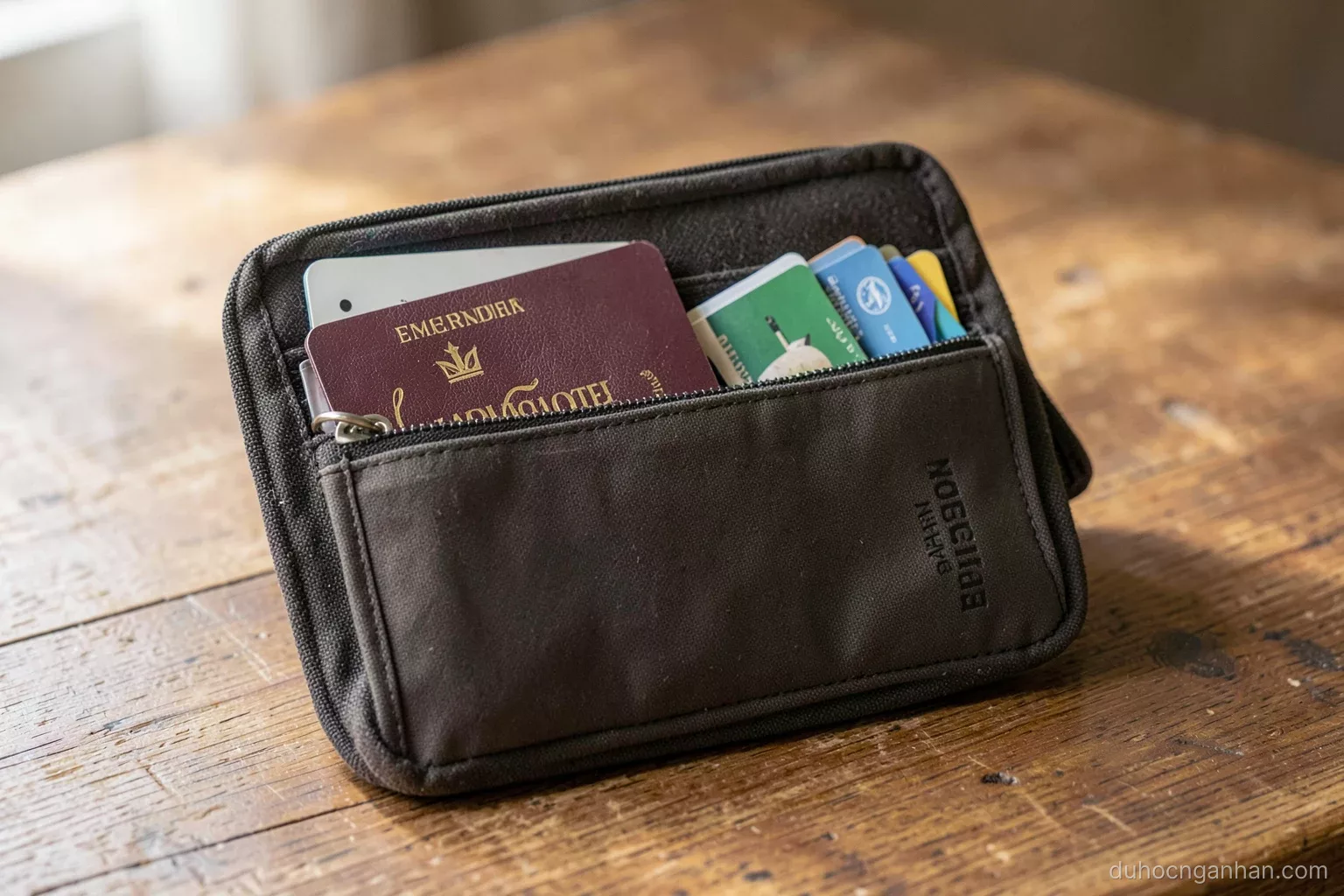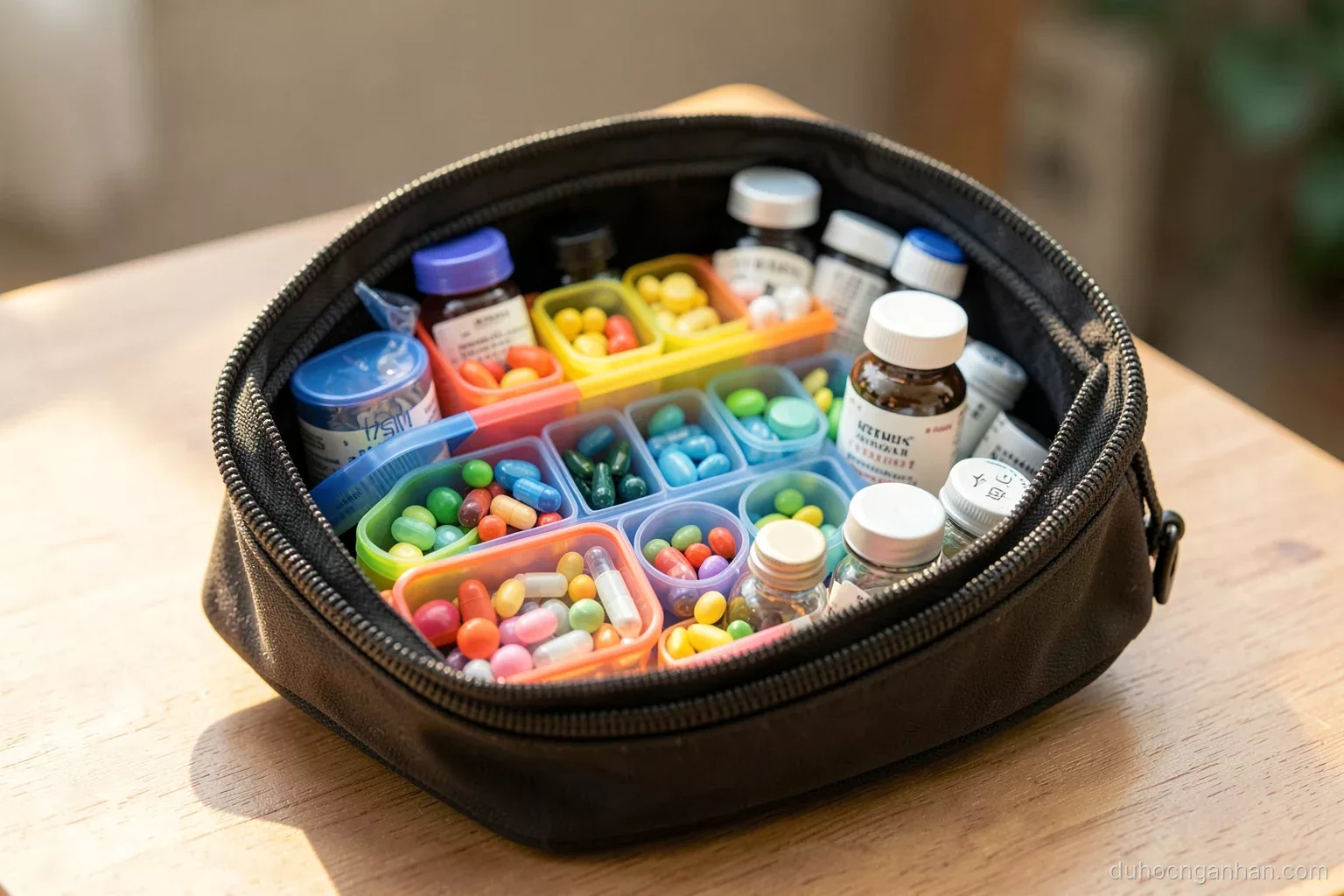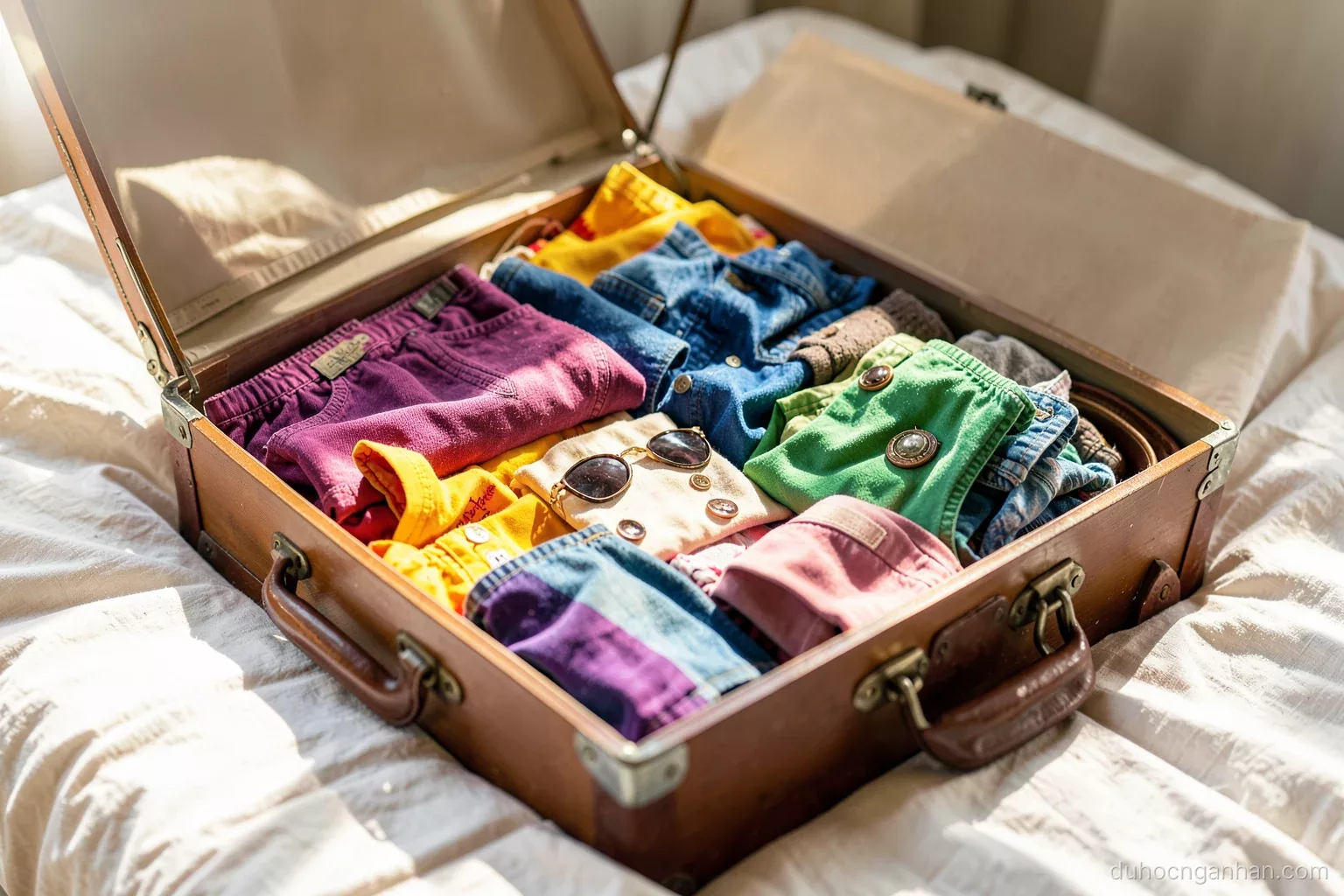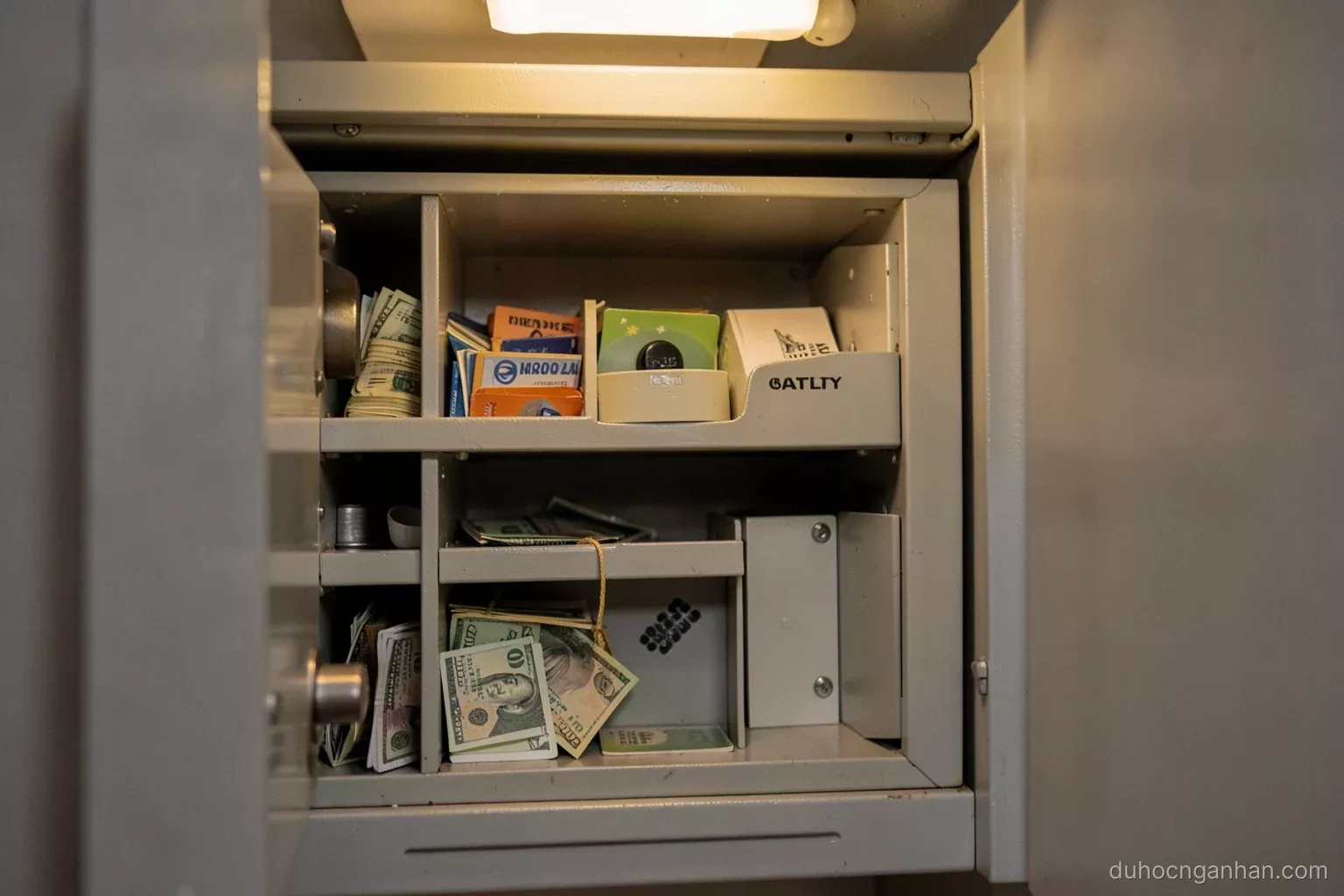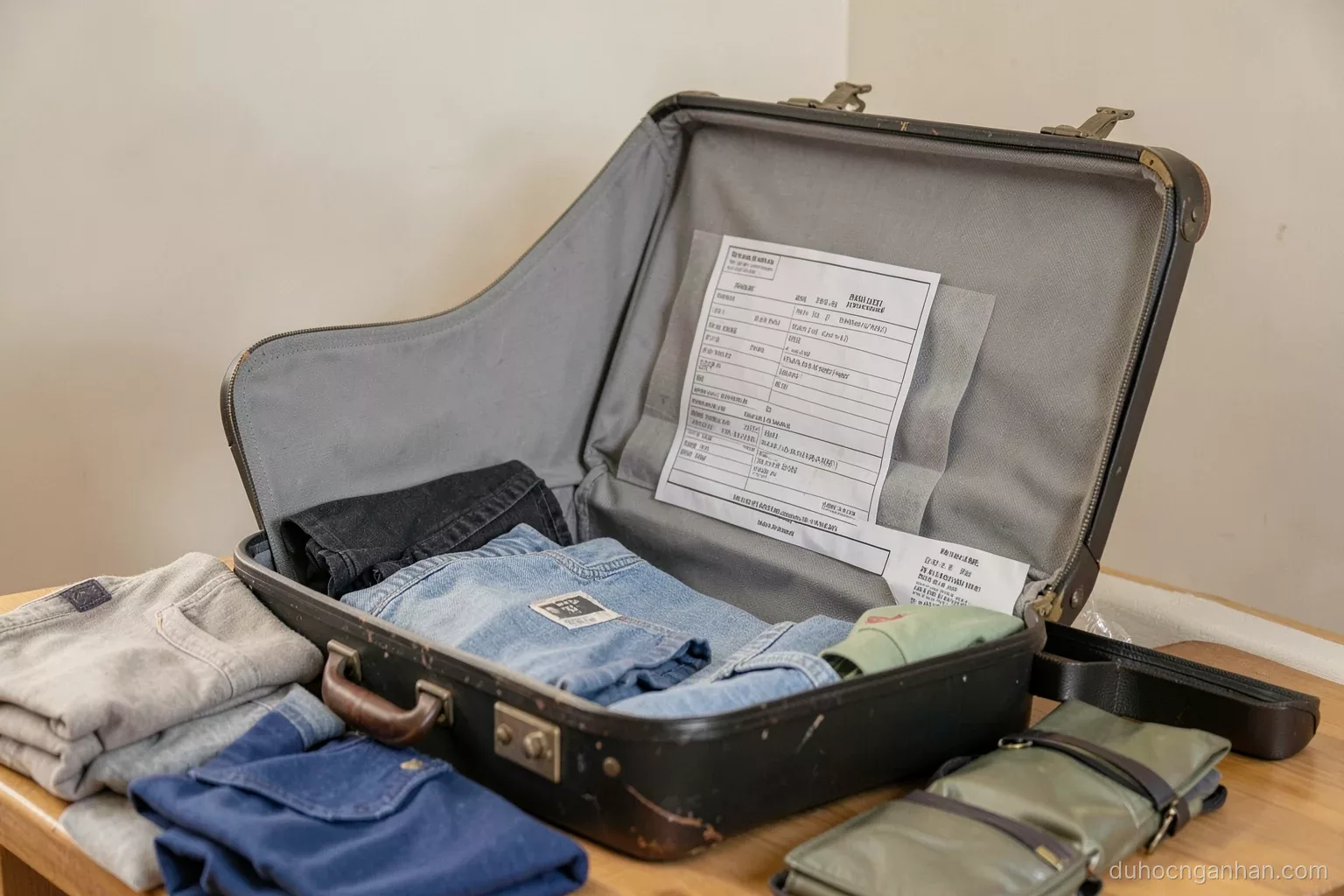
The best way for your child to keep track of their things at camp is to let them pack their own suitcase before the trip: parents and child make the list together, the child gathers and packs everything, and the parents only check; practise at least twice before the flight, and stick the list inside the suitcase lid so your child can use it again when unpacking and when packing for the way home. Children who pack their own suitcase know what they have brought and where it is, and notice straight away when something is missing.
A suitcase packed by mum is usually tidier and more complete, but at camp your child opens it without knowing where anything is, and on the last day cannot pack it again. Lost jackets, forgotten chargers and a single missing shoe at camp mostly start with a child who never touched their own suitcase before leaving.
Why letting your child pack matters more than a neat suitcase
At camp, nobody packs for your child. On the first day, boarding staff ask them to unpack into their wardrobe; every week, they gather dirty clothes into a laundry bag and put away clean ones; before weekend trips, they pack their own backpack; on the last day, they repack their suitcase. That is four times your child has to "read" their suitcase. If the first time they touch it is at camp, every time after that is hard.
Packing a suitcase is also a very concrete exercise in independence: making a list, finding things, choosing what to take and what to leave, estimating space and weight. Children who can do this are usually more confident when stepping into an unfamiliar environment. Experienced group leaders can often tell which children packed their own suitcase on the very first day, just from how they unpack.
That does not mean parents stand aside. Parents set the framework: the list according to the camp's rules, the weight limit, the items not allowed. Your child does the work within that framework. Dividing roles this way keeps both: a suitcase that meets the rules, and a child who understands their own suitcase.
Making the list together
The list is the main tool, used three times: when packing at home, when unpacking at camp and when repacking for the way back. Making it in these steps helps your child understand rather than just copy.
- Get the packing list and rules from the organiser, read them with your child, and explain any items your child does not understand the need for.
- Divide the list into familiar groups: clothes, nightwear, sports kit, toiletries, documents, electronics, medicines, study items, other.
- Write a specific number next to each item, for example seven T-shirts, ten pairs of socks, so your child can count them.
- Mark on the list which items go in the cabin bag and which are checked.
- Print two copies: one stuck inside the suitcase lid, one kept in the document pouch; photograph it and save it on both your child's and your own phone.
For young children who do not yet read quickly, you can photograph each group of items and print a picture list. Children count things faster from pictures than from words, and feel less awkward checking their things in front of roommates.
Two practice runs before the flight
The first practice run should be about two weeks before the trip. Your child gathers everything on the list, lays it out on the floor in groups, then packs it into the suitcase. Parents watch from the side and only comment when asked or when something breaks the rules. Then weigh the suitcase and let your child pull it around once. This run usually reveals missing items, extra items and a suitcase that is too heavy, with enough time left to buy what is needed.
The second practice run is a few days before the flight, and it is also the real packing. Your child packs according to the revised list and ticks off each item as it goes in. Parents do a final check on the important things: documents, medicines, chargers, jacket. The suitcase is locked and the cabin bag is ready by the door.
Packing tips children can manage easily: roll T-shirts and trousers instead of folding them flat, stuff socks inside shoes, group things in mesh bags, and put heavy items near the wheels so the suitcase does not tip over. Leave a little space at the top for things to bring home. Do not force your child to pack exactly the way you would; as long as they can find their own things.
What to leave at home
"Should we take it?" is usually easier to answer when you set it beside a reason. The table below gathers items parents and children often hesitate over.
| Item | Why it is better left at home | Replace with |
|---|---|---|
| Jewellery, expensive watches | Easily lost in shared bathrooms or during sport, attracts unnecessary attention | A cheap plastic watch, hair ties |
| A second or third electronic device | More to look after, and the camp collects devices at set times | One phone, with films and books downloaded in advance |
| "Saved for later" clothes never tried on | May not fit, may not meet the rules, your child will not wear them | Clothes your child is used to wearing |
| Sharp objects, folding knives, lighters | Banned by airport security and camp rules | No replacement needed |
| Food containing meat, fresh food | Easily confiscated at customs, breaks room rules | A few packets of sealed dry biscuits |
| An irreplaceable keepsake | If lost at camp, it cannot be found again | A photo of it on the phone |
A familiar comfort item that helps your child sleep, such as a small teddy or a small pillow to hug, is worth bringing if your child wants to, even for older children. Many children hesitate for fear of being laughed at, but at camp plenty of friends from other countries bring something like that too.
The cabin bag and backpack: your child packs these too
The cabin bag is what your child carries for the whole journey, opening it many times at security, on the plane and at immigration. Your child needs to know exactly what is in it and which pocket each thing is in: documents in the inner pocket, chargers and headphones in the outer pocket, a light jacket on top, and the small bag of liquids where it can be taken out quickly at the scanner. Let your child pack this bag from the list, then practise "going through security" at home: take out the liquids bag, take out a laptop if there is one, and put them back.
The daily camp backpack is packed lighter: notebooks, pens, a water bottle, a light jacket, sunscreen, a small towel and a compact raincoat. Get your child used to packing the backpack every evening for the next day according to the timetable, as they do for school at home. The habit goes with them to camp without anyone needing to remind them.
Before a weekend excursion, your child packs an extra small bag: just enough money, the emergency contact card, water, a hat and a raincoat. Let them do it themselves, then ask one question: if it rains, if you get separated from the group, if you get hungry, what do you have in your bag? If they can answer, they have packed it right.
What parents do while their child packs
The hardest part of letting your child pack is often for the parents: watching them fold shirts badly, put shoes on top of clean clothes, forget the toothpaste, without rushing in to do it for them. But it is exactly those small mistakes at home, while they can still be fixed, that keep your child from repeating them at camp. Parents can ask questions instead of pointing things out: have you counted your socks, where can you put the shoes so they don't get your clothes dirty?
Parents stay the final checkers for four things that must not go wrong: documents, medicines, the power bank in the right bag, and a suitcase within the weight limit. Beyond those four, small mistakes do not matter. A missing T-shirt can be bought at camp; an extra comic just means more to read.
Packing is also a natural time to talk about the trip. Your child asks about the camp, about roommates, about what worries them. Many children only voice their worries when their hands are busy with something else, not when asked directly. Parents who listen while folding clothes together often learn more than in a serious talk.
Looking after things at camp: the wardrobe, under the bed and a weekly check
Once at camp, the list in the suitcase lid stays useful. Every weekend, before or after laundry day, your child spends ten minutes counting their things against the list: are all the T-shirts there, how many pairs of socks are left, where is the charger. If anything is missing, ask the boarding staff straight away, because lost things are much easier to find during the week than on the last day.
The way things are stored in the wardrobe should be simple too: one mesh bag per group, the dirty laundry bag hung in a fixed place, study things on the desk, valuables in the safe. The empty suitcase is locked, stored under the bed and used for things that are used less often. Children with a consistent storage system lose fewer things than children who put things away differently every day.
Remind your child not to lend personal items such as towels, combs or swimwear, and not to borrow friends' things without asking. When sharing a room, clear boundaries around belongings avoid many small clashes, especially between friends from cultures with different ideas about sharing.
Packing for the way home: the job most often rushed
The last day at camp is usually busy with the closing ceremony, goodbyes and photos. Suitcases often get packed in a hurry on the last evening or early on departure morning, and that is when the most things are left behind. Remind your child to pack the day before, following the list in the lid, and to do a round of the room, the bathroom, the common room, the sockets and the desk drawers.
On the way home, the suitcase also holds gifts, the camp uniform T-shirt, certificates and things bought at weekends. Dirty clothes not yet washed go into a separate plastic bag. Documents, certificates, remaining medicines and the power bank go in the cabin bag. Weigh the suitcase again if there is a scale, and move things into the cabin bag or leave behind what is not needed if it is overweight.
Back home, unpack the suitcase with your child using the list: what is still there, what is lost, what is broken. Not to blame, but so your child can learn for next time. Keep the annotated list; next season your child only needs to adjust it. The Du Học Ngắn Hạn advisory team can send sample lists by camp and season so the family can make the first version together with their child.
Frequently asked questions
At what age can children pack their own suitcase?
Children of about eight or nine can gather things from a picture list and pack them into a suitcase with guidance. Secondary students usually do almost all of it themselves, with parents checking only documents, medicines and the rules. What decides it is practice beforehand, not age.
My child's packing is untidy. Should I repack it?
Only fix things that affect safety or the rules, such as sharp objects in the cabin bag, a power bank in the checked suitcase, or an overweight suitcase. Leave the rest packed your child's way. A slightly messy suitcase in which your child can find their things is better than a neat one they know nothing about.
Are packing cubes worth using?
Very much so, especially for children. Packing cubes or mesh bags help your child pack by group, unpack into the wardrobe quickly and count things easily. There is no need for expensive ones; mesh laundry bags or large zip bags do the job, and can be reused as laundry bags at camp.
How can my child avoid leaving things at camp on the last day?
Pack the day before, following the list in the lid, and do a round of the places things are often forgotten: sockets, desk drawers, the bathroom, hooks, under the bed and the common room. Asking a roommate to double-check each other's spaces is a fun and effective approach too.
What if my child insists on taking something I think is unnecessary?
If it does not break the rules, is not too heavy and is not too expensive, let your child take it. An item your child has chosen can help them feel the trip is their own. If it is easily lost or not allowed, explain why and find an alternative together.
Do we need to bring a lock for the wardrobe at camp?
Ask the camp first. Some camps provide lockable wardrobes, some let students bring their own locks, and some have no lockable wardrobes but use a shared safe. If you bring a lock, choose a combination lock so your child does not worry about losing a key, and write the combination in the group leader's notebook.