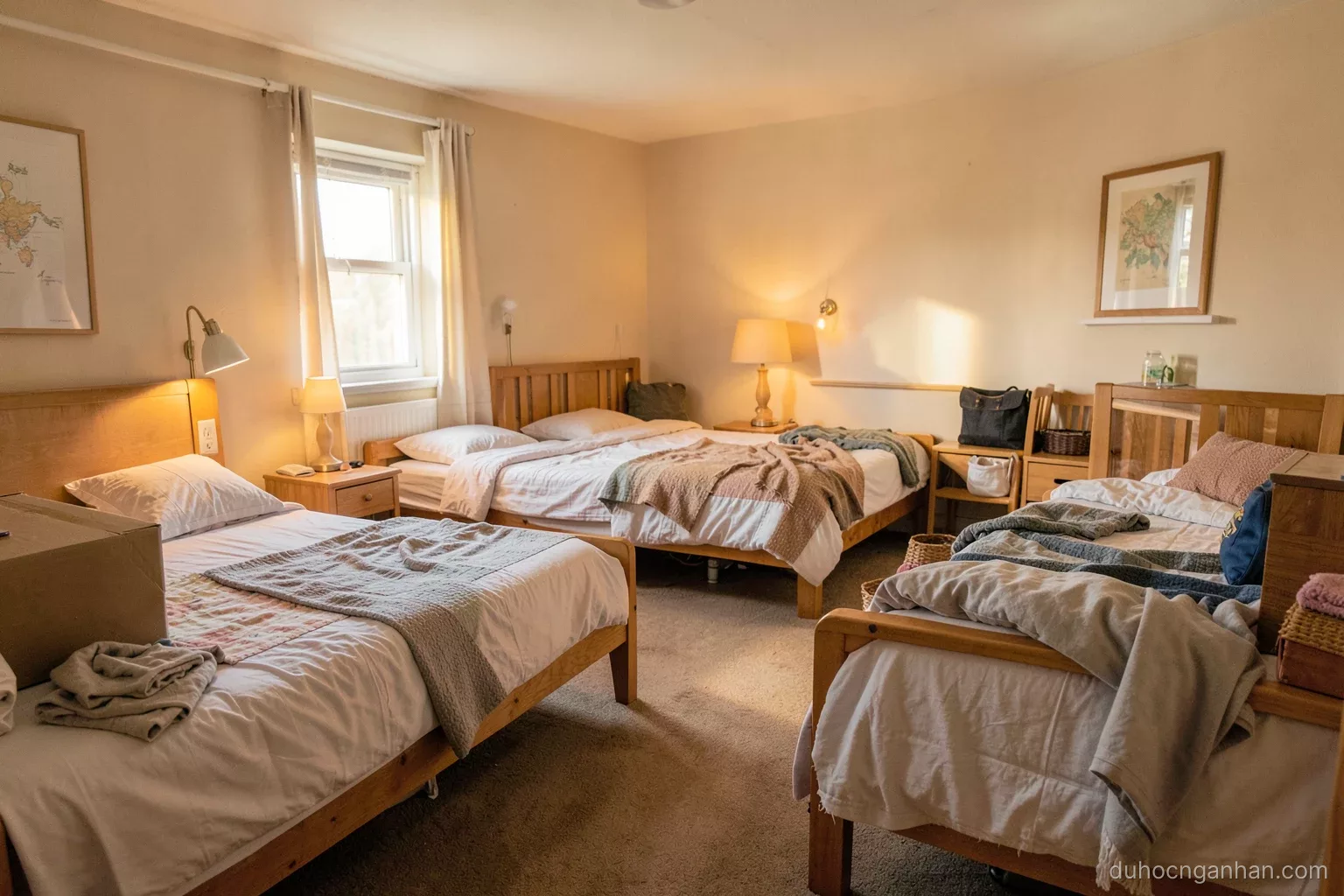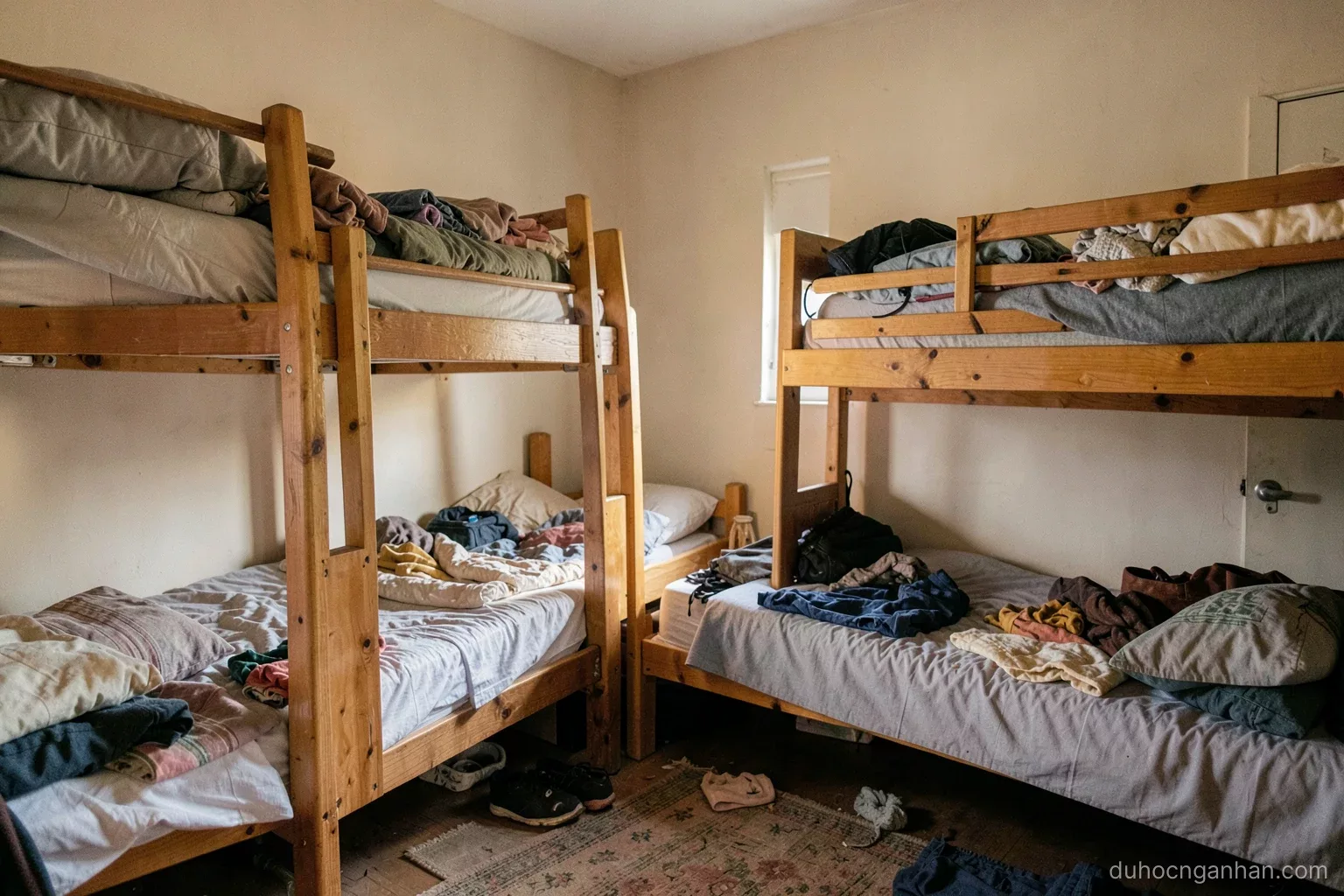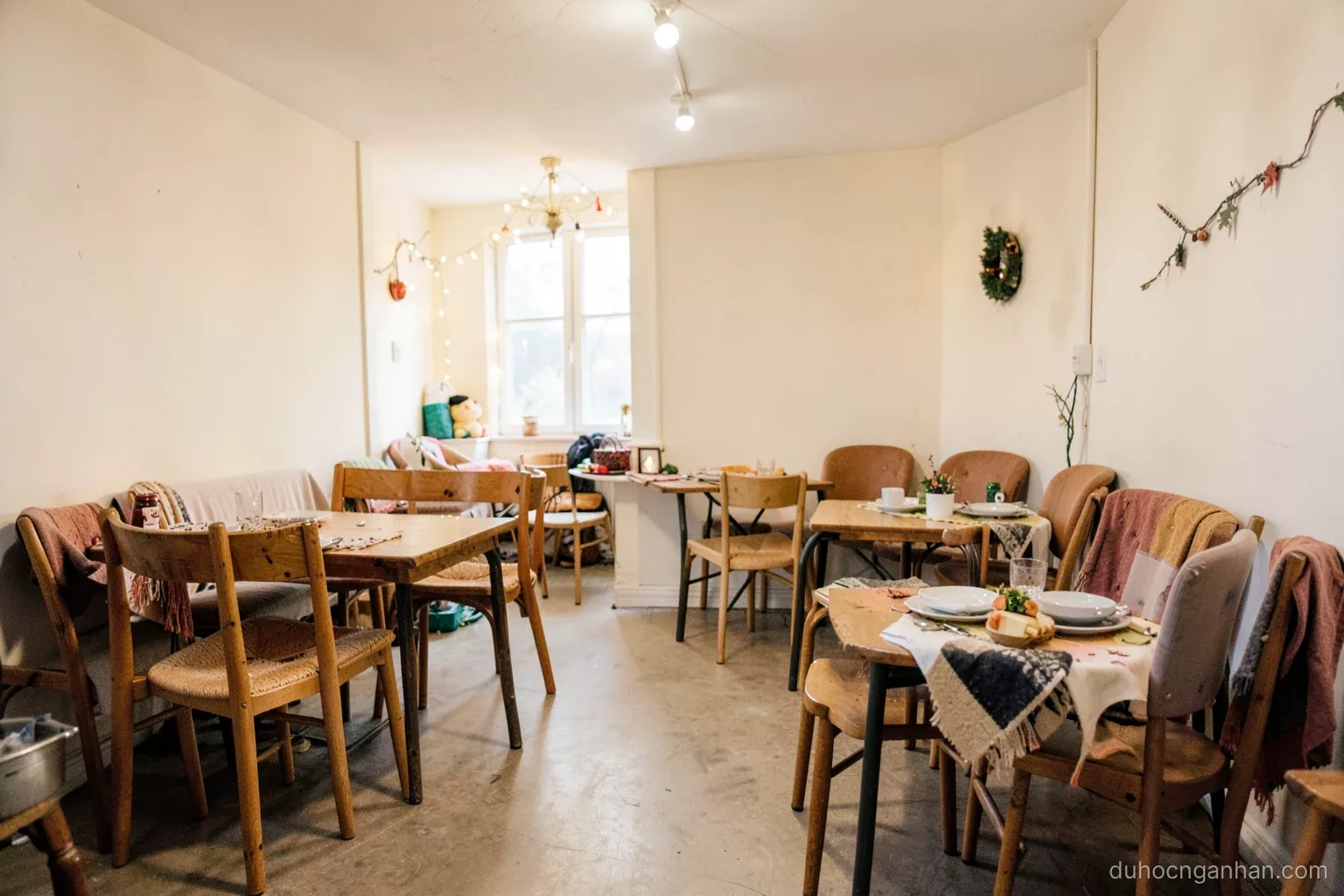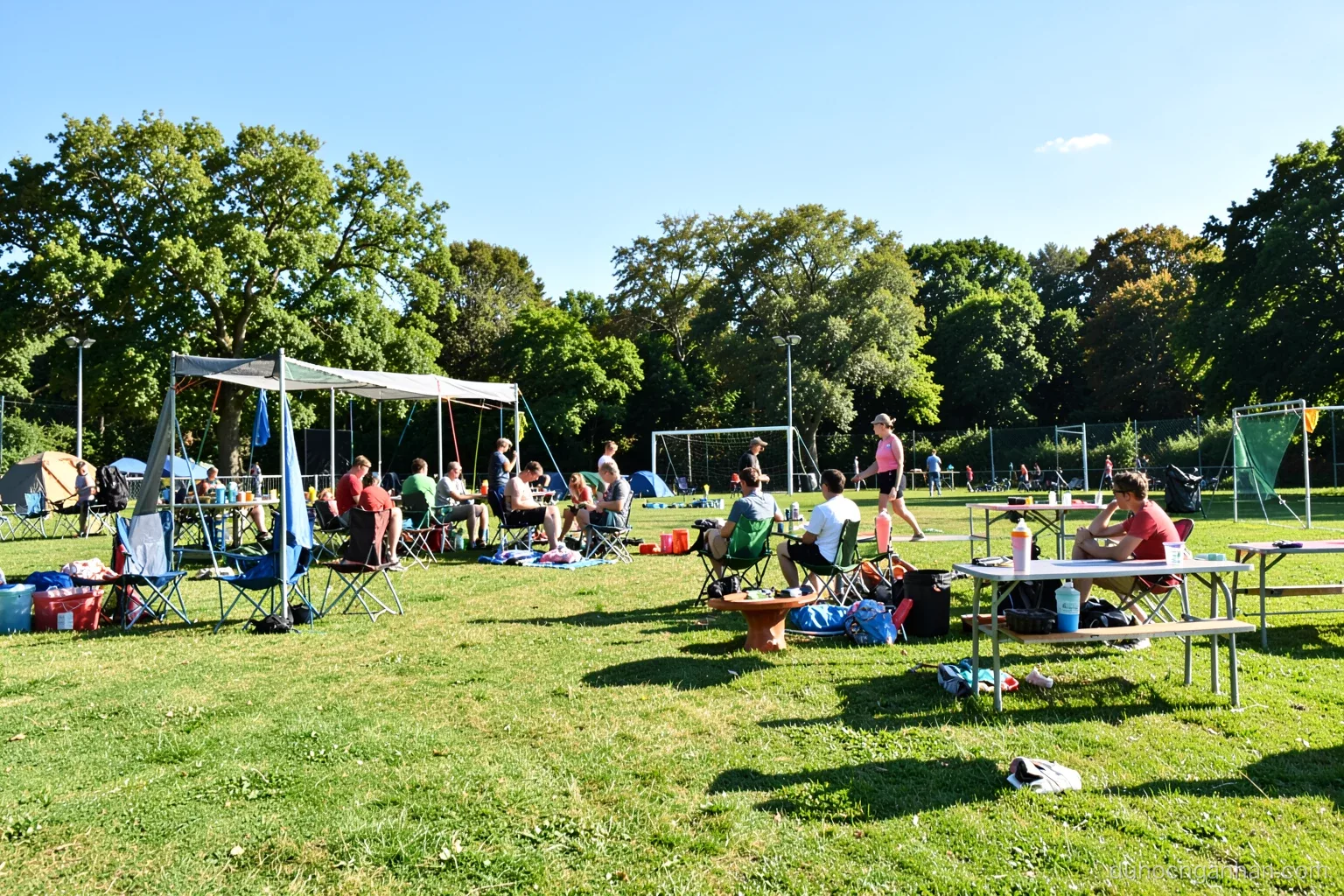
Most residential English camps in the Philippines set aside an afternoon slot, after lessons, for supervised sport: swimming, basketball, football, badminton, tennis, and sometimes dance, yoga or martial arts. Sport time both helps the children shake off the tiredness of many hours of listening to English and is where they make friends with foreign pupils fastest, because on the court everyone understands the rules without needing to speak well.
The fierce midday sun and the afternoon downpours of the Philippine summer mean sport here comes with some specific things to know. This article describes the usual sports, the safety points parents should ask about, how to help your child cope with the heat, and options for a child who is not keen on sport.
Where sport fits in the day
A common schedule is lessons all morning, a few more lessons after lunch, and then around mid-afternoon a switch to sport for one to two hours, before showers and dinner. This time slot is not chosen at random: the fiercest midday sun comes while the children are in the classroom, and they go out onto the field as the sun eases.
Many camps let the children choose a sport for the week or for the session, each with a coach or staff member in charge. Some rotate so every child tries several sports. Some hold small tournaments between teams at the weekend or at the end of the course, with each team mixing nationalities.
Sport at camp is a compulsory part of the schedule, meaning children are not allowed back to their rooms to lie down during that time unless they are ill or have an accepted reason. The reason is not only health: this is the time slot when adults can supervise all the children at once in one place, rather than having them scattered around the dormitory.
After sport, the children usually have a short break to shower and change before dinner. Children who are slow at this stage often end up late for dinner, so practising quick showers at home is useful.
The usual sports and what to know
Facilities differ from camp to camp. The table below lists the sports commonly available at residential English camps for pupils, with what parents should watch for:
| Sport | Why it is common | What to know |
|---|---|---|
| Swimming | Suits the hot climate; many camps have a pool on campus | Ask about lifeguards and grouping of swimmers and non-swimmers |
| Basketball | One of the most popular sports in the Philippines; covered courts are very common | Contact with hands; fingers easily get mildly sprained |
| Football | Easy to play with many people, mixes nationalities well | Outdoor pitches are sunny; water breaks are needed |
| Badminton, table tennis | Can be played indoors when it rains | Suits children who do not like physical contact |
| Tennis, pickleball | Some camps have their own courts and coaches | Beginners need to learn the basic techniques |
| Dance, yoga, martial arts | Indoor activities, suitable for children not keen on ball games | Ask whether there is a qualified instructor |
Ask in advance for the actual list at your child's camp, with the question: which sports have specialist instructors, and which only have staff supervising? Promotional material tends to list every facility on campus, but not all of them may be available during the pupils' sport time.
Swimming safety: five things to ask the camp
Is there a lifeguard on duty throughout swimming time? A camp pool should only be open to pupils when a lifeguard or staff member trained in water rescue is standing at the side. The answer "a teacher keeps watch" is not enough; ask whether the person supervising holds a lifeguard qualification.
Are children grouped by swimming ability? Children who cannot swim need to be in the shallow area, with floats and their own instructor. Good camps usually test swimming ability in the first session and give non-swimmers an identifying marker.
Is the pool open outside supervised hours? The pool area should be locked when there is no one supervising. This is a basic safety condition for a camp with children, and worth asking about directly.
What happens when there is thunder and lightning? Summer in the Philippines often has afternoon thunderstorms. The standard procedure is to bring the children out of the water and into a safe shelter when thunder is heard or lightning is seen, and to wait a while after the last thunder before going back into the water.
How do you declare your child's swimming ability? Parents should declare it honestly on the registration form: how far your child can swim, whether they have swum in a deep pool, whether they are afraid of water. Overstating it so your child is not put in the "weak" group puts your child at risk.
Playing in fierce sun and downpours
The Vietnamese pupils' summer falls in the hot, humid period and the start of the rainy season in most of the Philippines. A typical day may be fiercely sunny until early afternoon and then pour with rain, and some days it rains all afternoon. Children used to sitting in air conditioning will need a few days for their bodies to adjust to exercising in such humid air.
For the sun, the three most important things are drinking water regularly, covering the head and putting on sunscreen. Remind your child to take a hat onto the field, put on sunscreen before sport and reapply it after swimming. Many children come home sunburned on their shoulders, the back of the neck and the tops of their feet because they forgot the places that get less attention.
For rain, camps usually move outdoor sports onto covered courts or into the sports hall, or switch to indoor activities. In light rain without thunder and lightning, many camps still let the children play football, and the children often remember those games in the rain for ever. Remind your child to change out of wet clothes straight after playing so they do not catch a chill.
In worse weather, such as a tropical depression or a typhoon, all outdoor activities may be cancelled for a few days. That is the right decision, and experienced camps will have indoor plans to keep the children busy.
Signs of heatstroke and dehydration to report to an adult immediately
Tell your child to learn the signs below, in themselves and in their friends. At any of these, stop playing, go somewhere cool and call the supervising adult:
- Dizziness, blurred vision or a headache that gets worse while playing.
- Nausea or vomiting.
- Hot, red, dry skin, or the opposite, a cold sweat.
- Unusual exhaustion, slurred speech, confusion.
- Cramps in the legs or stomach while running.
- Intense thirst, passing very little urine during the day.
This list is for early recognition, not instructions for self-treatment. The person who deals with it is the camp's medical staff. Your child's job is to stop, speak up, and not keep playing for fear of being called weak by friends.
Young children often do not realise they are getting dehydrated; they are so absorbed in playing that they forget to drink. That is why the adults supervising the field should give scheduled water breaks rather than waiting for the children to ask. This is a question to ask the camp: does sport time have scheduled water breaks, and is there shade next to the field?
What if your child is not keen on sport?
Not every child likes running around in the sun. Some love drawing or reading, dislike physical contact, or feel self-conscious about being seen in swimwear. Forcing these children to play football every afternoon can turn sport time into the worst part of the camp season.
Many camps have gentler options: badminton, table tennis, dance, yoga, walking around the campus, or arts activities running alongside sport. Before registering, ask whether your child can choose their sport and whether there are indoor options. If your child is uneasy about swimwear, ask whether long-sleeved swimwear or suitable sportswear is allowed.
Talking with your child about the purpose of sport time also helps. Nobody there is grading your child on how fast they run; it is time for the body to take a break from studying and for playing with friends. A child who is not keen on sport can still be the one who leads the cheering, keeps score or looks after the ball for the team, and still make friends that way.
Finally, do not treat sport time as a side issue. For many children, it is the first basketball game with Filipino or Korean friends that makes them realise they can speak English without thinking about it.
English on the field
On the field, the children use a very different English from the classroom: short, fast, full of imperatives and slang. Pass, shoot, here, my ball, foul, nice one, sorry, my bad. Nobody waits for your child to finish thinking out a sentence, so they speak on reflex, and that reflex develops very quickly.
Filipino coaches usually explain the rules, demonstrate technique and give praise and criticism in English. Your child hears them while their body is moving, so they understand the meaning through action without needing to translate. It is a very natural way for young children to learn a language.
The field is also where verbal clashes easily happen, especially between teams of different nationalities when one loses. Your child learns to say "good game" after the match, how to apologise for an accidental foul, and how to stay calm when a friend says something harsh. These phrases are rare in textbooks but very much needed in real life.
Questions to send the camp about sport time
Before registering, send the camp the following questions by email and keep the answers. They help you compare camps on detail rather than on promotional photos:
- How much sport time is there each day, in which time slot, and is it compulsory?
- Which sports have specialist coaches, and which only have staff supervising?
- Does the pool have a qualified lifeguard on duty throughout swimming time, and how are non-swimmers grouped?
- When it rains, there is a thunderstorm or the sun is too fierce, where are activities moved to?
- Are there other options for a child who does not like sport?
- When my child has a minor injury on the field, who gives first aid, and how soon are parents informed?
- Are there tournaments or competitions between teams, and how are teams formed?
A camp that answers each question specifically, with the names of the people in charge and procedures, usually runs things genuinely carefully. A general answer such as "it's very safe, parents can relax" is the moment to ask more.
Frequently asked questions
If my child cannot swim, should they go to a camp with a pool?
They can still go if the camp groups children by swimming ability and has a separate instructor for non-swimmers. Declare your child's swimming ability honestly on the registration form and tell your child not to go into the deep area even if friends ask them to.
How does the camp handle a minor sports injury?
Usually the camp's medical staff give first aid, monitor your child and inform the group leader and the family. If the injury needs an X-ray or scan, the camp takes your child to a medical facility. Ask about this procedure in advance and keep the insurance information ready so the formalities are quick.
Does my child need to bring their own sports equipment?
Most camps have balls, rackets and nets. Your child should bring sports shoes that fit, a few sets of breathable clothes, swimwear, a hat and sunscreen. Children who play tennis or badminton seriously can bring a racket they are used to, if the baggage allowance permits.
Is sport time compulsory?
At many camps yes, because it is part of the daily schedule and the time slot when adults can supervise all the children. Children who are ill or have health reasons may be excused; tell the person in charge and, if necessary, provide a doctor's note.
How can a child with asthma or a heart condition do sport at camp?
Ask your child's doctor first about a suitable level of activity and the medicine to bring, then state it clearly on the camp's medical form. Tell the person in charge of sport directly. This is general information and does not replace a doctor's advice.
If the weather is bad all week, will my child feel cooped up?
Possibly, but camps used to this weather usually have indoor activities such as group games, dance, film screenings and table tennis tournaments. A few days of continuous rain is also a chance for the children to grow closer through shared activities.