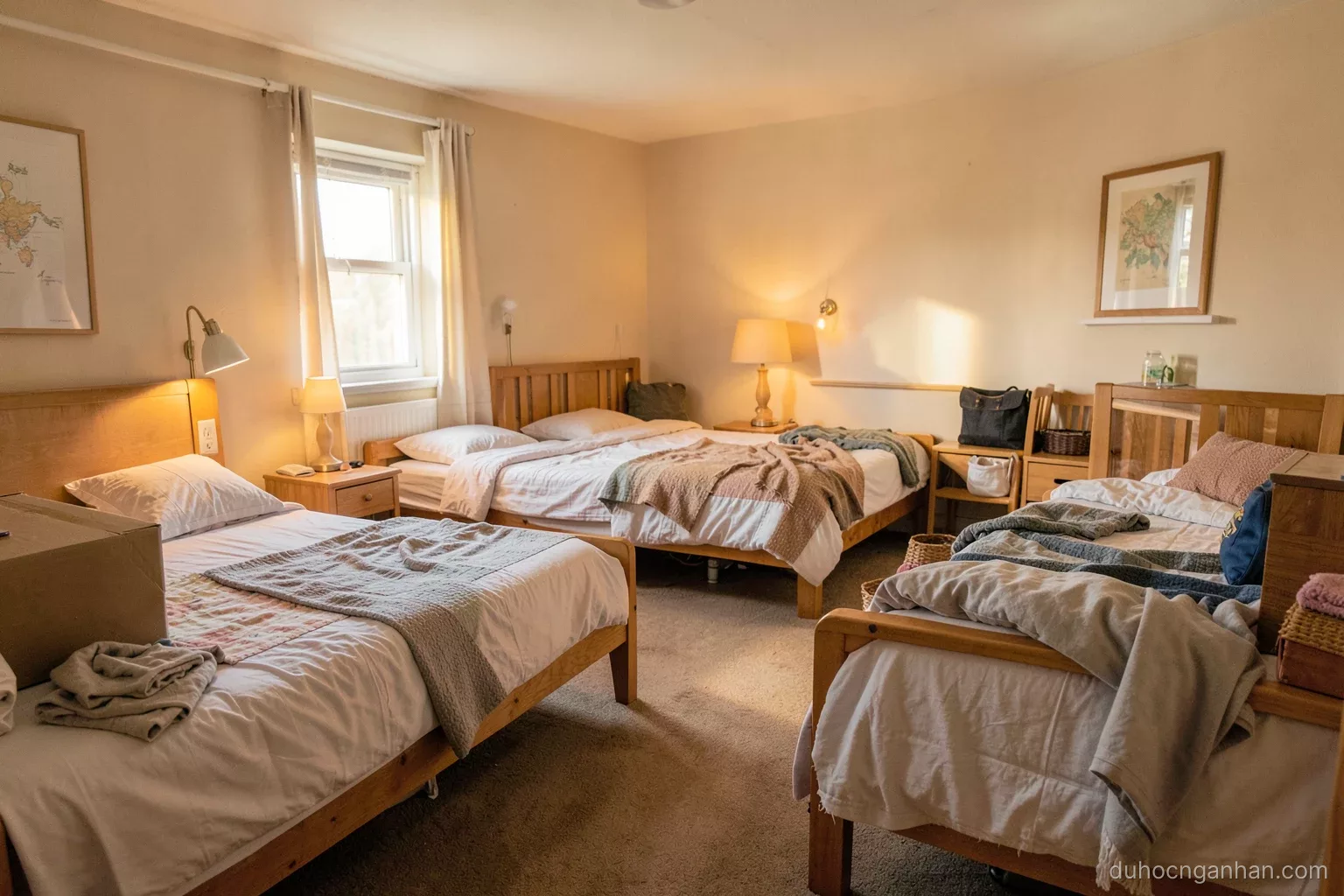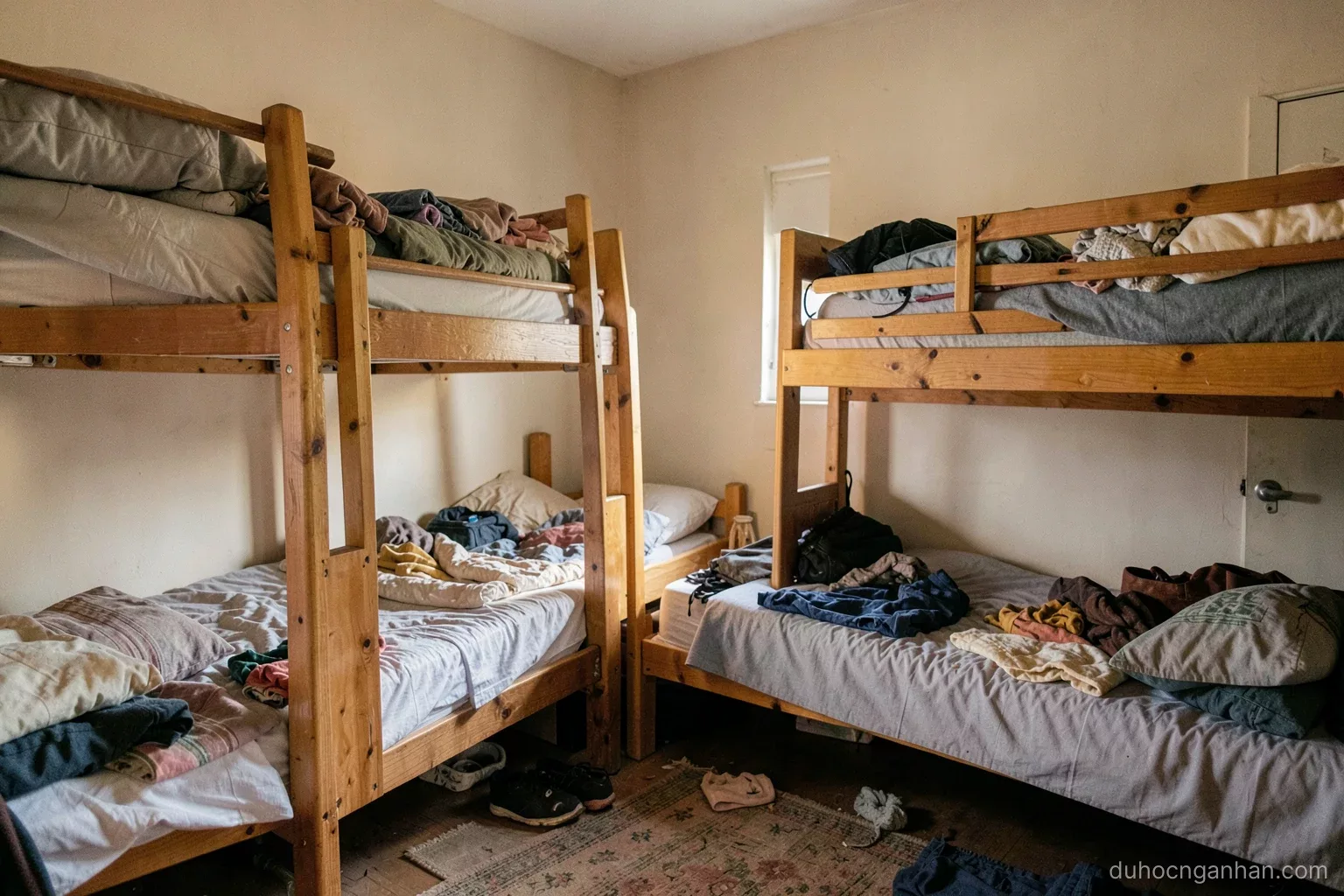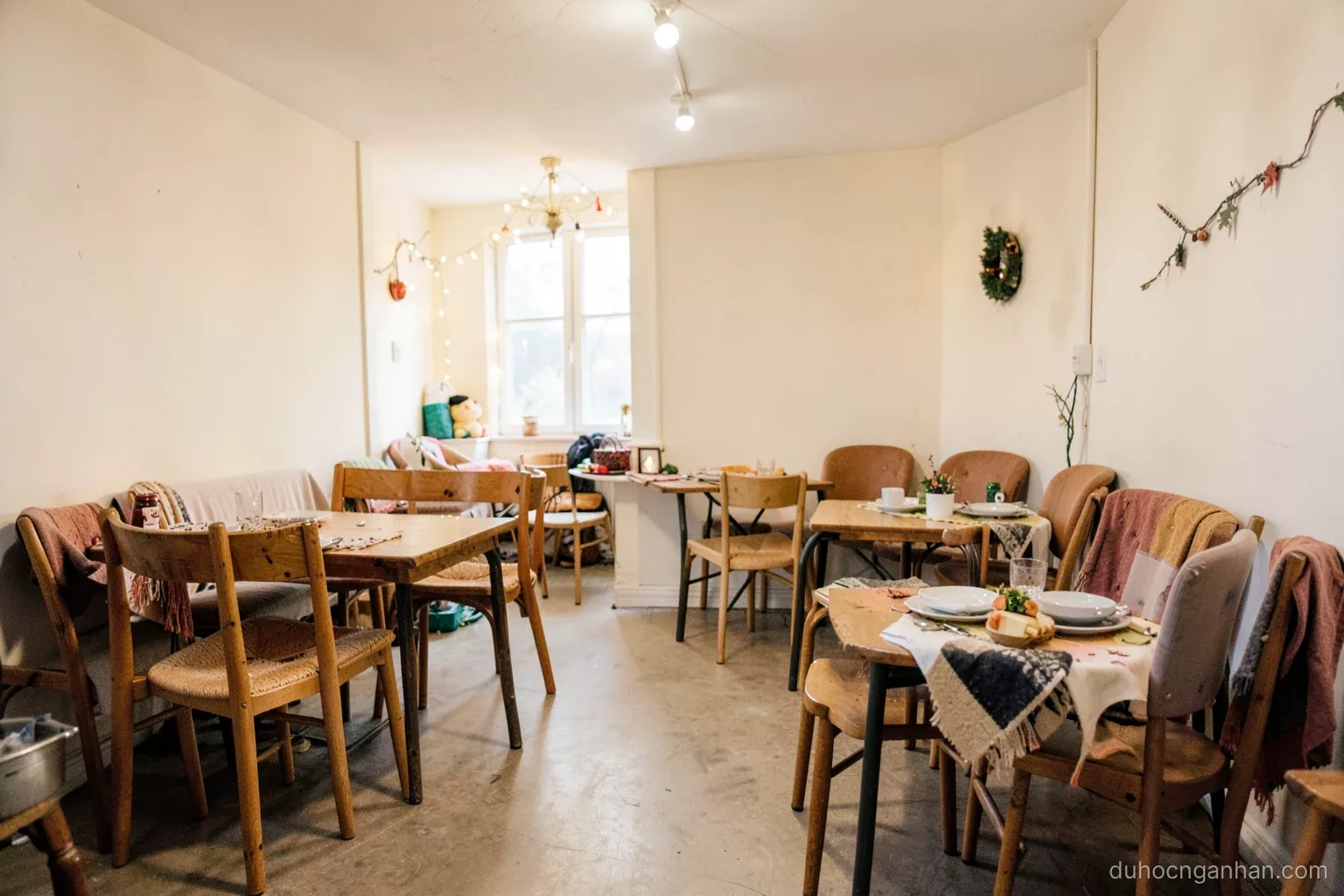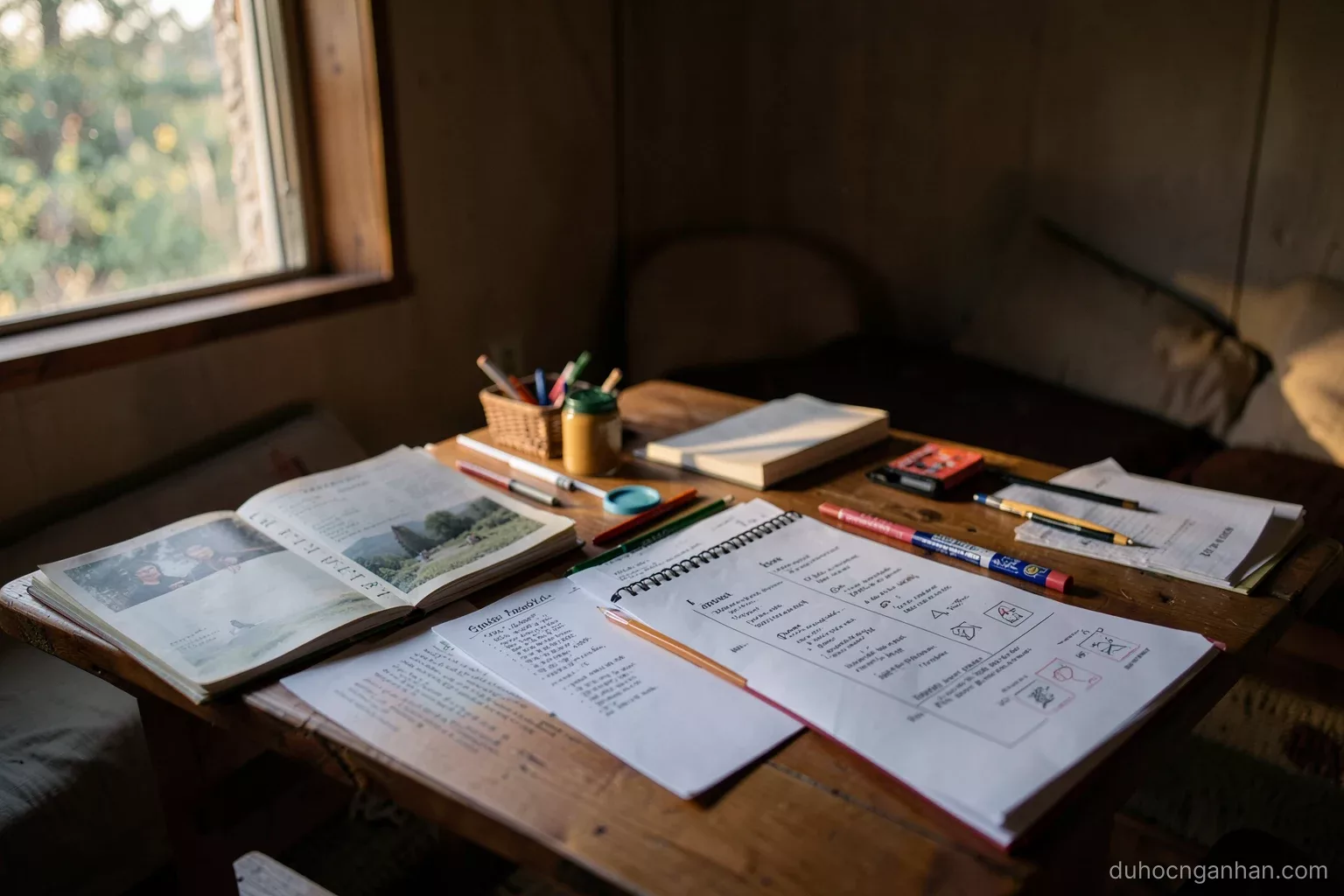
A season at a residential English camp in the Philippines means a few weeks in which your child lives entirely within an enclosed campus: sleeping in a dormitory, eating in the canteen, studying for most of the day with Filipino teachers, playing sport in the afternoon, doing supervised self-study in the evening and going on group outings at the weekend. English is not confined to lessons; it spills over into meals, the sports field and the bedroom, because the friends around your child come from many countries and the rules usually require English to be spoken in shared spaces.
For most children aged 8–17, a season at camp does not flow evenly but passes through a few fairly similar emotional stages: strangeness in the first few days, tiredness and homesickness in the middle, getting into the swing of things in the second half, then regret as the time to leave approaches. Knowing this shape in advance helps parents read the messages their child sends home correctly — not panicking when the child complains of tiredness in the second week, and not being surprised when they come home talking much more.
What shape a season at camp takes
Residential English camps for pupils in the Philippines are usually set within the private campus of an English school, with a perimeter wall, a guarded gate, a classroom block, dormitories, a canteen and sports grounds close together. Many camps are on the edge of a city, near an international airport for easy transfers — for example around Clark in Central Luzon or around Cebu in the central Philippines. The children only leave the campus for group activities.
The structure of a season usually repeats week by week. Monday to Friday are study days: lessons in the morning, half lessons and half sport in the afternoon, self-study in the evening. Saturday is usually for a full-day or half-day outing, and Sunday is a rest day at camp for laundry, calling home and getting ready for the new week. In between come small milestones: an end-of-week test, a speech contest, a talent night, an awards session.
The most common length is four weeks; some places take two or three weeks, and some run up to eight. The weekly structure does not change with the length; what changes is the number of repetitions. A four-week course usually has a settling-in week, two main weeks and a wrap-up week. An eight-week course adds a long middle stretch in which the children are so used to the routine that they practically live there.
On short two-week courses, the settling-in and wrap-up stages almost run into each other, so your child has only just settled in when it is time to go home. A short course suits a first try at being away from home; only a longer one gives enough time for living together and speaking English to become a habit.
Four emotional stages of a four-week course
The table below describes what is often seen on a four-week course. Every child is different, but this order repeats often enough for parents to use it as a frame of reference:
| Stage | What your child usually experiences | Typical messages home | What parents should do |
|---|---|---|---|
| The first few days | Everything is new: the room, friends, the teachers' accents, the food, the heat and humidity | Short, lots of photos, or almost silent because they are busy | Send short messages, do not fire questions, trust the agreed call times |
| The second week | The excitement is gone, the busy schedule starts to tire them, homesickness peaks | Complaints of tiredness, criticism of the food, saying they want to come home | Mostly listen, do not promise to collect them early, tell the person in charge if it goes on |
| The third week | They have close friends, know the teachers, understand faster | Stories about friends and outings, fewer complaints | Ask what they have learned from their friends, not just about marks |
| The final week | End-of-course tests, the closing ceremony, goodbyes, regret | Asking whether they can stay longer, asking for friends' contact details | Get ready to collect them, discuss how to keep in touch safely |
The second week is what worries parents most. In most cases it is the normal reaction of a child whose excitement has run out but who has not yet formed new habits, and it eases by itself once they have one or two close friends.
How weekdays and weekends differ
Weekdays at camp are deliberately full. The children get up early, have roll call and breakfast, then go into a run of lessons all morning. After lunch there are a few more lessons, followed by sport with a coach or staff member supervising, then showers, dinner, supervised self-study, a short group session and bed at the time of the night roll call. Free time during the day is short and scattered: fifteen minutes between lessons, half an hour after dinner.
The schedule is full not only so that the children study a lot. For children far from home, long stretches of free time are when homesickness rises, when small groups are easily tempted to do things that are not allowed, and when adults find it hard to keep watch. A residential camp fills those gaps with activities accompanied by adults.
Weekends change pace completely. Saturday is usually a group outing: a water park, the beach, an amusement park, a shopping centre, sometimes a volunteering activity. On Sunday many camps let the children sleep a little later, do their laundry, tidy their rooms and call home for longer than on weekdays, then revise for the next week in the evening. This change of pace is what helps the children keep their energy through four weeks without burning out.
Where English lives at camp outside lessons
At the dining table. The canteen usually seats the children mixed by nationality, or at least has teachers and staff eating with them. Asking for more rice, asking to swap a dish, telling someone about the morning — all of it has to be said in English. These are short phrases, but they are repeated three meals a day.
On the sports field. The rules of the game, calling for a pass, arguing over a penalty — it all happens in English, because teammates may be from South Korea, Japan, Taiwan or China. Children learn a great many natural expressions in a place where nobody is giving marks.
In the bedroom. Many camps deliberately put roommates of different nationalities together. Agreeing when to turn the lights off, who showers first, borrowing a phone charger — these are real negotiations with real consequences, so your child learns to speak politely but clearly.
On weekend outings. Buying a drink, asking where the toilet is, talking to a ticket seller — for many children this is the first time they use English with people outside the camp. The first time they are usually nervous; by the third they are far more confident.
In the evening. Some camps have time for writing a diary or reading in English before bed, with a teacher who reads it and writes comments. Writing a few lines each evening about their own day helps your child connect new vocabulary to real experience.
What your child will find unfamiliar in the Philippines
The weather comes first. Many parts of the Philippines are hot and humid all year, and the Vietnamese summer holiday coincides with the start of the rainy season in most of the country, so the midday sun is fierce, there may be downpours in the afternoon, and occasionally a tropical depression or typhoon. Camps are used to changing outdoor activities when the weather turns bad; the children need to get used to feeling a little sticky with sweat all the time in the first few days.
Forms of address are unfamiliar too. Filipinos are polite to their elders, often adding the word "po" at the end of a sentence in Tagalog as a sign of respect, and calling older brothers and sisters "Kuya" and "Ate". The children will hear camp staff address each other this way, and many pick it up very quickly. Teachers are usually called "Teacher" followed by their first name, unlike the way teachers are addressed in Vietnam.
The food includes rice, meat, vegetables and soup, so it is not too strange, but it often tastes sweeter, saltier or sour in a different way from home cooking. Filipino teachers' English is generally clear and easy for Asian learners to follow, with a few distinctive stress patterns that your child gets used to after a few days. Finally, there is the feeling of living with dozens of other children at once, which a child used to having their own room will need time to adjust to.
What parents at home can see during the season
From a distance, parents cannot see every hour of their child's day, but a well-run programme usually shows enough for you to feel reassured with good reason. The usual channels:
- Photos and short videos in the parents' group sent by the group leader or camp staff, usually several times a week, taken during lessons, play and weekend outings.
- Calls from your child during the times the camp allows phone use, usually in the evening or at the weekend.
- Messages from the person in charge when your child is ill, has a problem with a friend, or when the schedule changes because of the weather.
- Learning reports weekly or at mid-course, showing which class your child is in, how they are taking part and where they need to work harder.
- The end-of-course wrap-up, where your child receives a certificate of participation and the school's progress report.
If you do not know how these channels work before your child leaves, ask the organiser in writing: who sends photos, how often, and who will contact you when something happens. A concrete answer matters more than a general promise.
Which children a residential camp suits, and which it does not yet suit
It suits a child who has already slept away from home for a few nights. A school field trip, or a few days at the grandparents' without their parents, is very useful practice. A child who can already wash on their own, pack their own things and call an adult when needed finds the first week at camp much easier.
It suits a child who loves being active and can cope with a full schedule. A day at camp is long and packed with activities. Children who love sport, like having friends around and do not mind being called on to speak usually enjoy camp more.
Think carefully for a child who is very sensitive to change. A child who sleeps badly in unfamiliar places, is a very fussy eater or tends to be anxious can still go, but should choose a shorter course, go with a sibling or close friend, and tell the person in charge in advance what helps them stay calm.
It does not yet suit a child who does not want to go. A child taken to camp because their parents want it, not because they are curious, usually struggles most in the second week. Let your child have a share in the decision by looking at photos together, reading the schedule together and asking questions of someone who has been.
It does not yet suit a child with a health problem that is not under control. An underlying condition under treatment, or a severe allergy without a treatment plan, needs your child's doctor to agree first, and the camp must be fully informed. A residential camp can take care of a lot, but it cannot replace the doctor who follows your child over the long term.
Frequently asked questions
How is a residential English camp in the Philippines different from an adult English course there?
Adult courses let learners manage their own time outside class and go out freely. Camps for pupils under 18 keep the children on campus, with adults supervising outside lessons, set times for sleep and phone use, and outings only as a group. The study part may be similar; daily life is completely different.
Can my child keep up with camp life if they cannot yet speak English?
Most camps place pupils by an entry test, so your child studies at their own level. In daily life there are many staff who are used to speaking slowly and using gestures with newcomers. In the first weeks your child will understand more than they can say, and that is entirely normal.
How long a season does it take before my child seems different?
There is no single figure. What parents often notice after about three or four weeks is that their child is less shy about speaking, responds faster to short questions and manages personal tasks better. Progress in test scores depends on the starting level, the length of the course and whether your child keeps up the language after coming home.
Will my child feel too confined staying on campus the whole time?
Campuses are usually large enough for playgrounds, a swimming pool and shared activity areas, and there are outings at the weekend. Most children do not feel cooped up because the schedule is full and they have friends. A child used to going out alone freely at home may feel uncomfortable for the first few days.
Can siblings be placed together?
It depends on the camp. Some places assign rooms by gender and age, so siblings of different genders or with a big age gap will be housed separately. If this matters to your family, ask before enrolling and request confirmation in writing.
Is it better to go to camp alone or with a group from Vietnam?
Going with a group that has a Vietnamese group leader helps your child get through the first week more easily, and parents have someone to ask in Vietnamese. Going individually to an international camp means your child has to manage more on their own, which suits older children who are already used to being away from home.