The English Only rule, usually called the English Only Policy, is a camp regulation requiring pupils to speak English in certain areas and at certain times, including outside class. Many English schools in the Philippines apply this rule, some strictly all day, others only in teaching areas and during shared activities. The aim is to push up the amount of English your child uses each day, especially when the camp has many pupils of the same nationality.
The rule is useful, but it is also a real source of tiredness, especially for young children or beginners. Understanding how it works helps parents explain it to their child before leaving, and recognise when tiredness is normal and when the rule is being applied too harshly.
Where and when English Only applies
Each camp sets its own scope. The most common approach is to divide the campus into zones: classrooms, the canteen, sports grounds and corridors are English-speaking zones; bedrooms may or may not allow the mother tongue, depending on the place; some camps have set times in the week when free speech is allowed, such as Sunday evening or when calling home.
Some camps apply the rule in stages. The first week is relaxed so the children can get used to it, and the rule applies fully only from the second week. Some places apply it differently by age: younger children receive gentle reminders, while older pupils have a stricter system because their learning goals are clearer.
Calls home are almost always excluded. No camp makes children speak English with their parents. When a child is ill, frightened or in an emergency, they are also usually allowed to speak their mother tongue with the group leader or an interpreter, because what matters then is that the adults understand correctly what is happening.
The real scope of the rule is usually set out in the rules handed out at orientation. If the pre-departure materials only say vaguely "100% English environment", ask specifically: which zones, which times, which exceptions?
How camps remind children when they break the rule
How reminders are given also differs between camps. The table below gathers the common forms, from mild to strict, with what parents should note:
| Form | What usually happens | What to note |
|---|---|---|
| Verbal reminder | Teachers or staff who hear it remind the child to switch to English | Suits all ages, especially in the first week |
| Cards or reminder points | Each breach earns a card or a mark; reaching a certain number has a consequence | Ask exactly what happens at what number, and whether marks are gradually cleared |
| Extra work | Writing a paragraph, learning extra vocabulary, presenting in front of the class | Reasonable if within the child's ability, not turned into humiliation |
| Loss of privileges | Losing a turn of phone use, missing an outing | Should be known in advance; should not affect emergency contact with the family |
| Team competition | The team with the fewest breaches gets a reward at the weekend | Motivating, but may put pressure on pupils whose English is weaker |
A good rule for children has clear, graduated consequences that are announced in advance, and never uses public shaming as its main tool. If your child says they were punished in a way that made them feel humiliated, ask the group leader straight away.
Why this rule works
The simplest reason is time. In class, each child only speaks for part of the time, because they also listen to the teacher and classmates. Outside class, if the mother tongue is allowed, children switch straight to the easiest language, and most of their waking hours pass without English. English Only brings English into meals, playtime and small talk, where children use the language to get real things done rather than to answer the teacher.
The second reason is naturalness. On the football pitch or in the canteen, your child learns phrases that books rarely teach: how to invite a friend, how to say no, how to joke, how to apologise. That is English they can use straight away and remember for a long time, because it is tied to real emotions.
The third reason is breaking down group boundaries. When a camp has many pupils from the same country, without a shared rule the groups separate by mother tongue, and the international experience shrinks to a holiday with friends from home. A shared rule helps the children mix.
The deeper theory of how children acquire language through interaction is a separate topic. At camp, what parents see clearly is that their child gets used to speaking up even when not sure they are right, and that is the hardest step for many Vietnamese pupils.
Why your child feels tired, and how tired is normal
The brain is working double. Saying a sentence in English when not yet fluent means your child has to think of the idea, find the words and build the sentence all at once. Doing that from morning to night leaves many children exhausted in the first week or two, even those who are normally full of energy.
The familiar outlet is gone. When sad or annoyed, children usually find a friend who speaks their mother tongue to let off steam. The rule narrows that outlet. Your child may be more irritable or withdrawn in the first few days.
Fear of making mistakes in front of friends. Older children, especially at thirteen or fourteen, are very reluctant to make mistakes in front of friends. The rule makes your child speak more, which also means making more mistakes in front of others.
Normal tiredness gradually eases. Most children feel lighter from the second or third week, once some phrases have become reflexes. If your child is tired but still eats, sleeps and plays, that is the tiredness of someone learning.
Tiredness to watch is when it comes with other signs. If your child cries a lot, avoids all shared activities, or dreads mealtimes for fear of being reminded or punished, talk with the group leader so the camp can adjust how the rule is applied to your child.
Difficult situations your child often meets, and how to handle them
Not knowing a word mid-sentence. This is the situation most likely to make your child switch to Vietnamese. The way out is to describe around it: say what the thing is used for, its shape or its colour. Teachers and friends usually guess and supply the right word, and your child remembers that word longer than any dictionary look-up.
A friend from home suggests speaking Vietnamese. Many children feel awkward because they do not want to offend their friend. A light joke such as "English, or we both get a card" makes both of them laugh and switch to English without anyone feeling told off. If the whole group still speaks Vietnamese, your child does not need to play gatekeeper; reminding is the staff's job.
Needing a serious conversation when their English is not yet enough. When your child is ill, bullied or worried about things at home, they need to be able to explain clearly in their mother tongue. Tell your child beforehand that at times like these they should find the group leader or someone who speaks Vietnamese, and that the language rule does not apply to asking for help.
Being teased about pronunciation. In a multinational environment, everyone has their own accent. Korean, Japanese and Vietnamese friends all pronounce English differently from native speakers in their own ways. Remind your child that the goal is to be understood, not to have a perfect accent, and that a friend's teasing does not mean the friend speaks better.
Being so tired they do not want to say anything at all. At the end of the day, many children just want silence. Silence does not break any rule. Your child is allowed to read, listen to music or sit alone and rest during free time, and then speak again tomorrow.
Preparing your child before departure
Your child will be less shocked if they have already tried living for a few hours in English only at home. A small plan for the weeks before the flight:
- Explain the rule to your child in Vietnamese: where, when, why, and that calls home will still be in Vietnamese.
- Choose one meal a week when the whole family speaks English, even only very simple sentences, so your child gets used to everyday conversation in a foreign language.
- Practise "rescue" phrases for when they are stuck: "How do you say ... in English?", "I don't know the word, but it is like ...". If your child knows how to describe around a word, they do not have to switch to Vietnamese.
- Say plainly that making mistakes is normal, and that the teachers and friends at camp also speak English as a second language.
- Agree with your child: if the rule feels too heavy or they are punished unfairly, they should tell the group leader or tell you when they call home.
Do not turn this plan into extra lessons. The goal is for your child to get used to the feeling, not to improve before leaving. A dinner in English where the whole family laughs at their own mistakes is more useful than an hour of grammar practice, because it shows your child that making mistakes in front of others is nothing to fear. That is exactly the mindset your child needs to take into camp.
When parents should speak up
The rule belongs to the camp, and parents should not ask for an exemption just because their child complains of tiredness. But there are a few situations worth raising. First, when the form of punishment affects your child's contact with the family, or their ability to report illness or fear in their mother tongue. Second, when reminders are given in front of a crowd in a way that makes your child a laughing stock. Third, when your child is very young or has only just started learning English but is held to the same standard as older pupils.
The effective way to speak up is to ask the group leader or the person in charge with a specific question: what your child told you, when, and that you want to know how the rule really works. Misunderstandings are usually cleared up straight away, because young children sometimes exaggerate. If the rule really is being applied too harshly, a well-run camp will adjust it for your child.
On the other hand, there are also times when parents should stand by the rule. A child calling home to complain "you're not allowed to speak Vietnamese here, it's so boring" is usually just letting off steam, not calling for help. At those times, listening, acknowledging that it really is hard, and reminding your child why you chose this camp usually works better than calling the camp to ask for leniency. Your child needs to see that their parents and the camp are on the same side.
Frequently asked questions
Does the camp make my child speak English even when calling home?
Almost no camp requires that. Calls with family are usually in the mother tongue. If the camp's materials do not say so clearly, ask in advance so your child is not confused in the first calls.
My child has only just started learning English. How can they follow the rule?
Camps usually understand that beginners will use single words, gestures and very short sentences. What matters is that your child tries, not that they speak correctly. Many places relax the rule in the first week or apply a lighter standard to younger children.
Will being punished for speaking the mother tongue make my child afraid to speak?
It can, if the punishment relies heavily on shame. A well-designed rule focuses on encouragement, team competition and gentle reminders. If your child starts to be afraid to open their mouth, talk with the group leader so it can be adjusted.
Will this rule make my child lose their friends from home?
Usually not. The children still play together, just speaking English in shared spaces. Many groups of Vietnamese friends at camp become even closer because they are making the effort together, and they still chat in Vietnamese at the permitted times.
Does my child have to speak English in the bedroom?
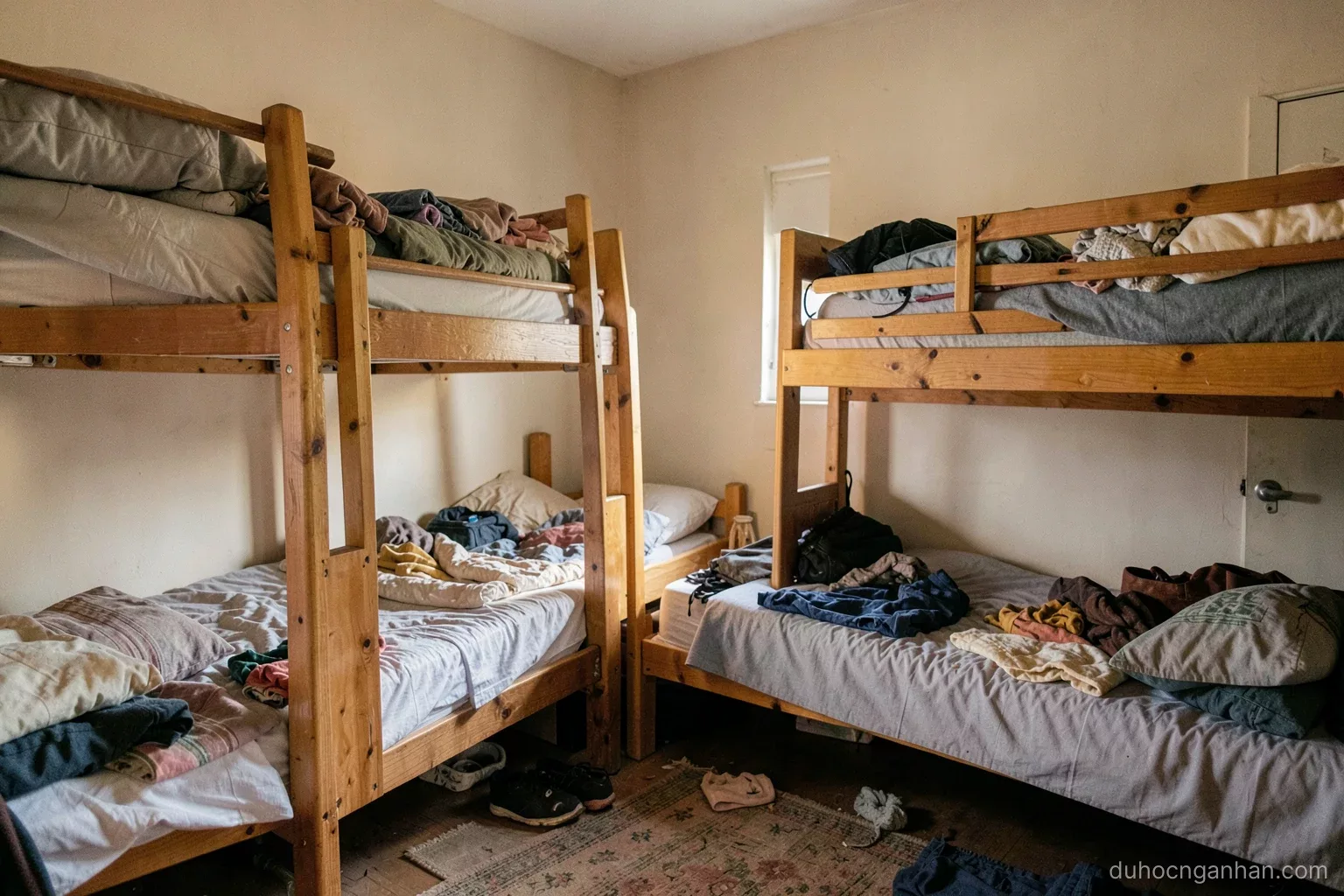
It depends on the camp. Some apply it in rooms too, especially when roommates are of different nationalities; others leave rooms as a free zone. Ask in advance, and if your child shares with foreign friends, English is naturally the shared language.
Should I choose a camp without this rule for a young child?
For children under ten or very sensitive children, a camp that applies the rule gently, mainly through encouragement, is usually more suitable. Older children with clear speaking goals benefit from a stricter rule that helps them make the most of their time at camp.