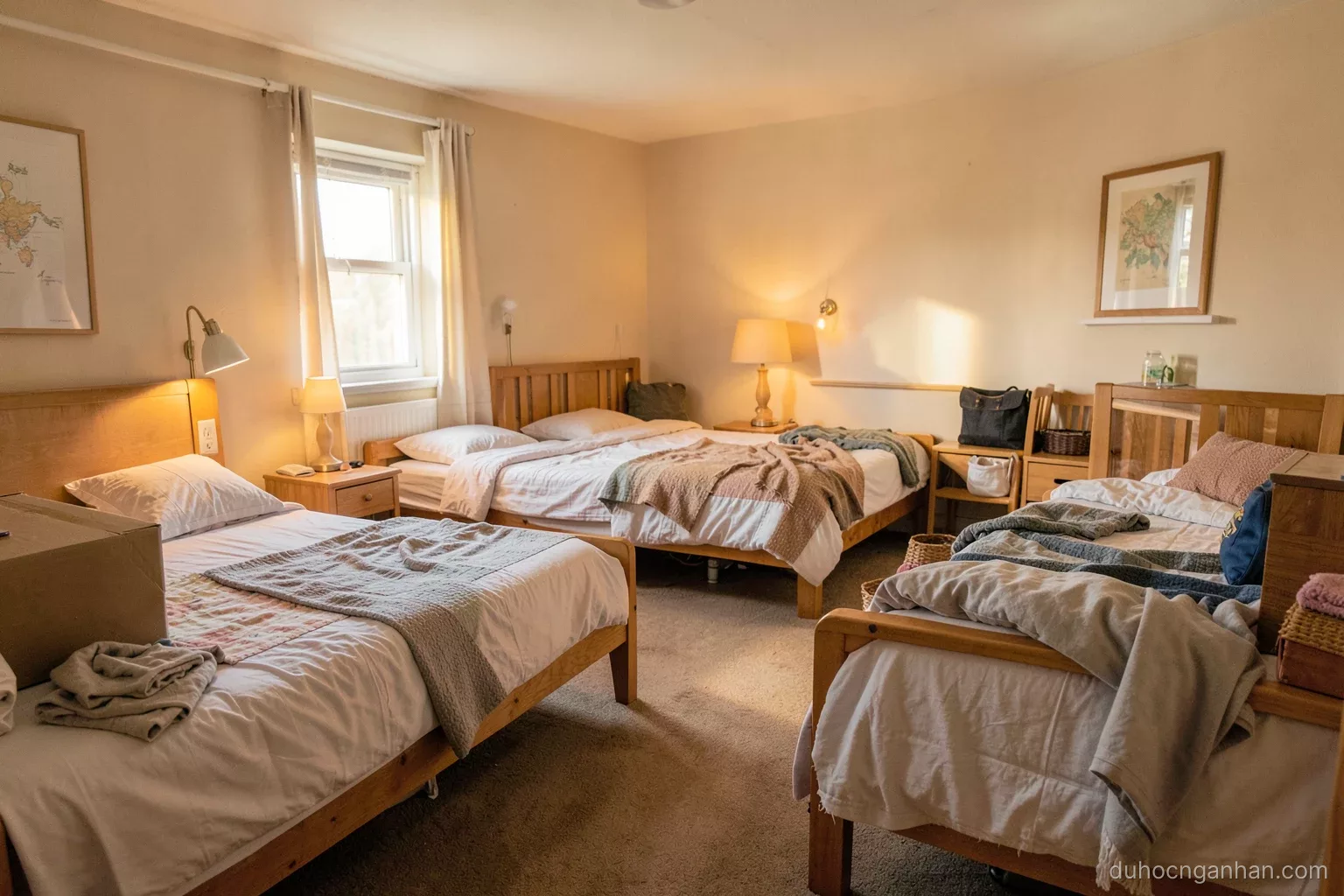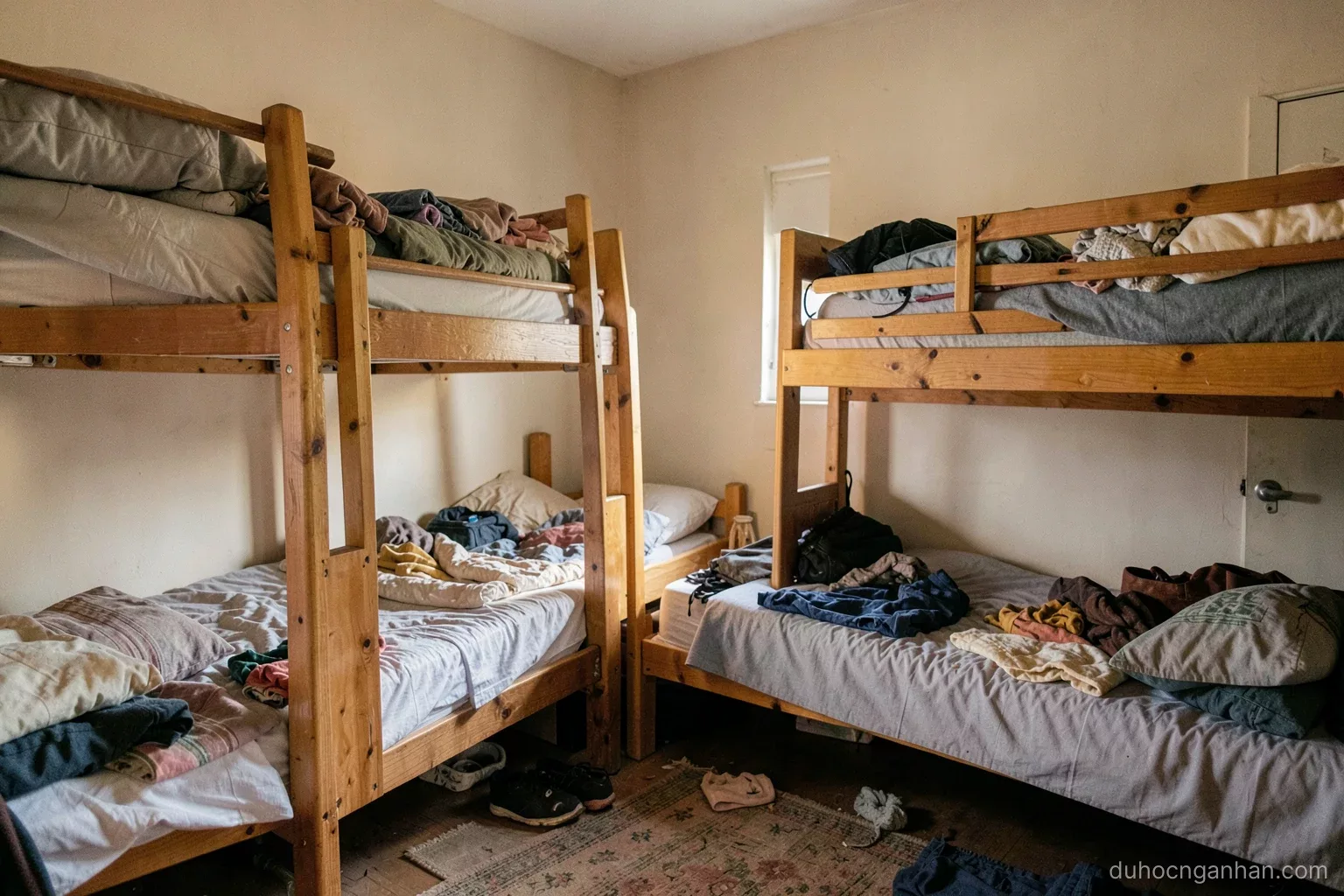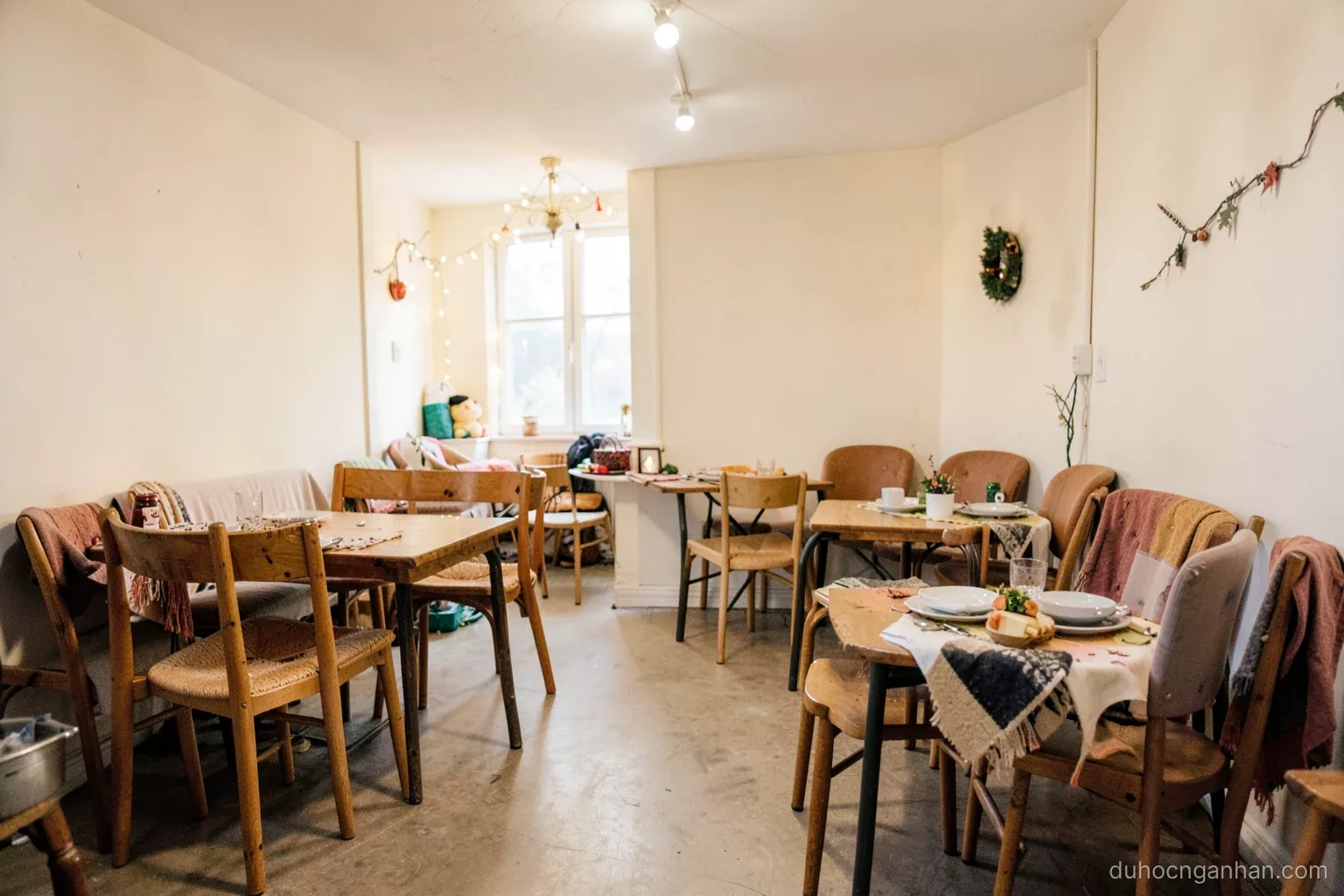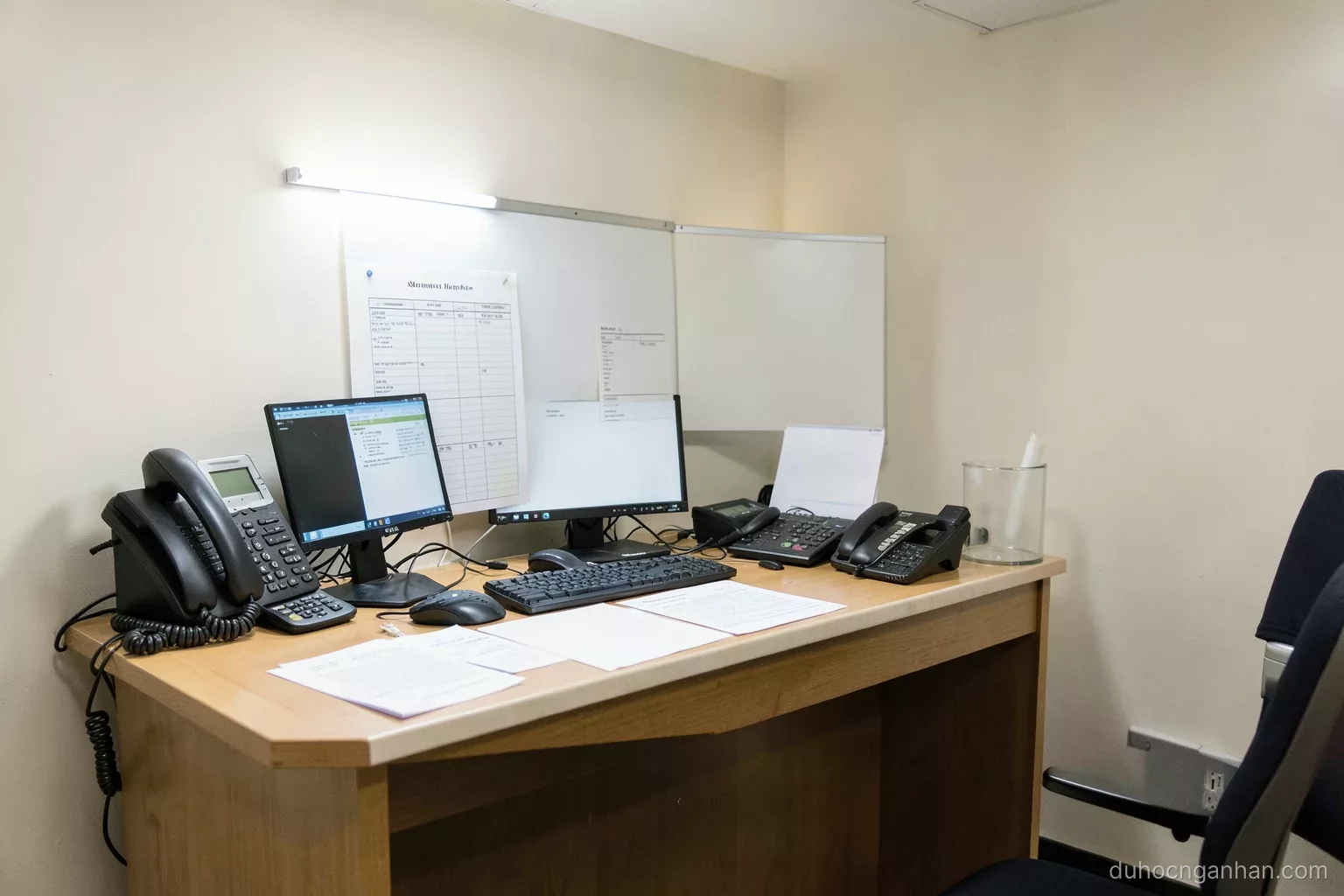
Many residential English camps for pupils in the Philippines collect the children's phones during lessons and at night, giving them back only in a set time slot, usually in the evening after self-study and for longer at weekends. Parents still receive news about their child through the group leader or camp staff: photos, update messages, and calls when something happens. Your child does not lose contact; they just do not hold their phone all day.
This rule often worries parents more than children. Understanding why camps do it, the usual phone schedule, and the channels of news parents can rely on helps the family agree in advance on a way of keeping in touch that is just enough for both sides.
Why camps collect phones
Sleep. A phone in hand in the evening is the biggest thief of teenagers' sleep. At camp, with a busy daily schedule and the heat, a few nights of poor sleep leave your child tired, more likely to fall ill and irritable. Collecting phones before bedtime is the simplest way to get the whole room's lights off on time.
Being present. A child who takes their phone into playtime is half at camp and half in their Vietnamese friends' group chat, a game or social media. The camp wants the children to be fully present so they make friends and speak English, which cannot happen when each child has their head bowed over a screen.
Homesickness. It sounds backwards, but constant contact with home often makes homesickness worse. Every time your child feels sad they message home, the worried parents message back, and your child feels sadder. A fixed time slot helps your child practise waiting and managing on their own between calls.
Online safety and privacy. Camps have many minors. Photos of friends in the bedroom or videos teasing a friend posted online can cause real harm. Keeping phones in a shared place at sensitive times greatly reduces this risk. The camp also avoids children messaging, gossiping and taking sides in group chats in the middle of the night, which often sparks conflicts the next morning.
Expensive items are lost less often. A phone in the camp's locker does not get dropped on the football pitch, picked up by mistake in the room or soaked in a sudden downpour.
The usual phone schedule
Every camp has its own rules, but many follow a fairly similar framework. The table below gives parents an idea, and shows what to ask about:
| Time | Where the phone is | Notes |
|---|---|---|
| Early morning to the end of afternoon lessons | Handed to staff or kept in a locker | Some places let children keep phones but ban their use in class |
| After evening self-study | The child gets the phone back | The main time slot for calling home and messaging |
| Before lights out until morning | Handed in again, charged in a shared place | The main reason is sleep |
| Saturday outings | Depends on the camp: taken along for photos or left at camp | Ask in advance if parents want their child to have a phone when out |
| Sunday | Children usually keep phones for longer | A good time for a long video call |
For young children, many camps keep phones more strictly or only allow calls through the group leader's phone. For older children, camps may let them keep phones for longer but penalise use at the wrong times. Ask clearly about the rules for your child's age.
Through which channels parents receive news
Collecting your child's phone does not mean cutting the flow of news. A well-run programme usually has all of the following channels, and parents should know in advance what each one is for:
- The parents' group chat: the group leader or camp staff send photos, short videos and notices of schedule changes. This is a shared channel, not a place to ask privately about each child.
- Private messages with the group leader: for asking about your own child, reporting something your child said that worries you, or asking them to pass on a message to your child.
- The emergency number: for urgent matters out of hours, such as sad news at home that your child needs to be told, or when you cannot reach anyone else.
- Periodic reports: comments on learning, health and daily life, weekly or mid-course, depending on the camp.
- Calls from your child: during the phone time slot, on the agreed schedule.
Write down the name, number and working hours of each contact before the flight and keep them somewhere the whole family knows. When something happens, nobody wants to scroll through old messages to find a number.
Photos in the parents' group: how to read them properly
The parents' group is where many parents look several times a day, searching for their child's face in each photo. When they cannot see their child, the worry starts: is my child all right, why isn't my child smiling, why is my child standing alone? What needs remembering is that the photos are taken hurriedly by one or two adults while supervising dozens of children. If your child is not in today's photos, it is usually just because they were on the other side of the field.
The group leader has limits too. One person has to supervise the children, handle whatever comes up, take photos and reply to parents. Each private message asking about a photo means a few minutes of that person taking their eyes off the children. Gathering your questions and asking them in the evening is a way of helping the group leader do their main job well.
A photo of your child not smiling does not say much either. Teenagers often do not like being photographed, or are caught squinting in the sun. Rather than messaging the group leader after every batch of photos, rely on the overall picture over several days: does your child appear in different activities, are they standing with friends, does their voice sound normal in the evening call?
If after several days parents still have not seen their child in any photo, message the group leader privately and ask them to take one. Most group leaders are happy to do so. If your child has a reason to avoid the camera, such as feeling self-conscious about braces or spots, tell the group leader in advance so they understand and do not force your child into group photos. Please also remember not to repost photos showing other people's children on public social media without permission.
The evening call: what to say so your child feels happy without missing home more
Start with your child's day. Ask about something specific your child did today: which lesson was fun, what sport they played, what unusual food they ate. When your child talks about camp, their mind is at camp, and the call becomes a chance to show off rather than to cry.
Talk about home in moderation. Your child likes hearing that home is fine, their sibling is still going to school, the cat is still naughty. But do not describe in too much detail the full family dinners or the family outing that just happened, because your child may easily feel they are missing something.
Keep the call a little shorter than your child would like. Fifteen to twenty minutes is usually about right. Ending while you are both still happy is better than letting the call drag on until your child's mood drops before hanging up.
End with something your child is looking forward to tomorrow. Ask what is happening tomorrow: a test, a football match, the Saturday outing. The last thing your child hears from you before sleeping should point forwards.
Acknowledge it when your child speaks English. If your child shows off a new word or says they just managed to talk with a foreign friend, praise them for daring to speak, without marking the sentence right or wrong. Specific praise from parents is a big motivation for the next day.
Agreeing with your child before the flight
Most tension about phones arises because the family and the child each expect something different. Agreeing a few points in advance helps avoid that:
- Read the camp's phone rules with your child, and make clear that they are the camp's rules, that you support them and will not ask for exceptions.
- Choose a call schedule: which evenings, roughly how long, who calls whom. Calling on schedule is better than calling whenever someone feels homesick.
- Agree: if your child does not call one evening, parents will ask the group leader rather than bombarding your child with messages. Your child does not need to feel guilty for being busy having fun.
- Agree on social media: do not post photos of friends without asking, do not reply to strangers, tell an adult if you see an upsetting message.
- Save the group leader's number and the emergency number in your child's phone, and also write them on paper kept in their wallet in case the phone runs out of battery or is collected.
Once your child understands and agrees, the rule is no longer something imposed from above, but an agreement your child keeps together with you. Children keep their own agreements much better than other people's rules. With older children, you can let them propose the call schedule and then give your input, rather than parents setting it in advance.
Difficult situations and how to handle them
Your child asks you to send a second phone to hide and not hand in. The answer should be no, with the reason explained. If discovered, your child may be punished, lose outings and lose the trust of the staff in charge. Parents conspiring to break the rules also teaches your child that the camp's rules are something to get around.
Something urgent at home needs to be told to your child, such as a relative being seriously ill. Do not message your child directly when they are alone. Call the group leader first, so an adult is with your child when they hear the news and can help them deal with their feelings.
Your child uses their phone time only for games and does not call home. This is common with older children and is usually nothing to worry about if your child is otherwise behaving normally. Remind them of the call schedule you agreed, but avoid turning every call into a telling-off.
Some parents want their child to wear a GPS watch or install a location-tracking app. If you want this, ask the camp first, as some places count smartwatches as phones. Location tracking also does not replace having an adult supervising your child in person.
Finally, there are evenings when parents wait and their child does not call, and messages are not read. Mostly it is because your child is busy playing with friends, forgot to charge the phone, or phone time that day was pushed back because of a shared activity. Before worrying, check the parents' group for any announcement, and only then message the group leader with a gentle question.
Frequently asked questions
Does the camp let my child keep their phone on weekend outings?
It depends on the camp. Some let children take them for photos; others keep them at camp for fear of loss. If parents want their child to have a phone when out, ask in advance. Even with a phone, your child must stay with the group, and the person in charge is the main point of contact.
Does my child use a Philippine SIM or the camp's Wi-Fi?
Many children use the camp's Wi-Fi during phone time. Some families also buy a SIM or a roaming package so their child has data on outings. Ask the camp about the speed and coverage of the Wi-Fi in the dormitory before deciding.
What if there is an emergency and my child does not have their phone?
In an emergency, camp staff or the group leader will contact the family, and your child can use the camp's phone or their own to call. Ask the camp about its procedure for informing families when a child is ill or has an incident, so you know in advance who will call whom.
Should parents message their child outside phone time?
You can, but do not expect an immediate reply and do not send a flood of messages. Your child will read them when they get their phone back. Short, cheerful messages without pressing questions like "why aren't you answering?" help your child feel loved without pressure.
Can a child who is addicted to their phone cope with this rule?
For the first few days your child may be restless and irritable. A busy schedule and friends usually fill the gap faster than parents think. Many families say their child used their phone less for a while after coming home. Gradually cutting down at home for a few weeks before leaving will make it less of a shock.
Does the camp check the content of my child's phone?
Usually not private content. The camp may require photos of other pupils taken without permission to be deleted, or deal with bullying messages. Ask clearly about the policy so you know how far your child's privacy is respected.