An "all-inclusive" short study abroad programme usually includes tuition, accommodation, meals, airport transfers and the activities in the schedule, but flights, insurance, visas, fees at the destination, optional excursions and pocket money may be in or out of the package depending on the organiser. Because there is no common definition, two programmes both labelled "all-inclusive" can differ a great deal in what is actually covered.
This article is not about prices. It sets out the list of common items, how to ask about each one, the items that tend to "come up" once your child is abroad, and how to ask the organiser to put it all in writing so the family can compare like with like.
"All-inclusive" is a marketing term, not a standard
In recruitment materials, "all-inclusive", "full package" and "costs included" are used very loosely. For some organisers, all-inclusive means the family only has to take their child to the airport; for others it is only tuition plus accommodation plus meals at the camp, and the family sorts out everything else. Both are fine if stated clearly, but they easily cause misunderstandings when a family compares two totals without looking inside.
There are three reasons the lists differ. First, the organiser may not sell flights or insurance itself and leaves the family to buy them. Second, some items depend on the child, such as visas, documents for minors and age-based insurance. Third, some items depend on choices the family makes while the child is already at the camp, such as optional excursions or extra classes.
The simple solution: do not compare totals, compare lists. Ask each organiser to fill in the same table of items, marking which are included, which are excluded and which the family arranges itself, with any conditions noted.
The list of items to ask about
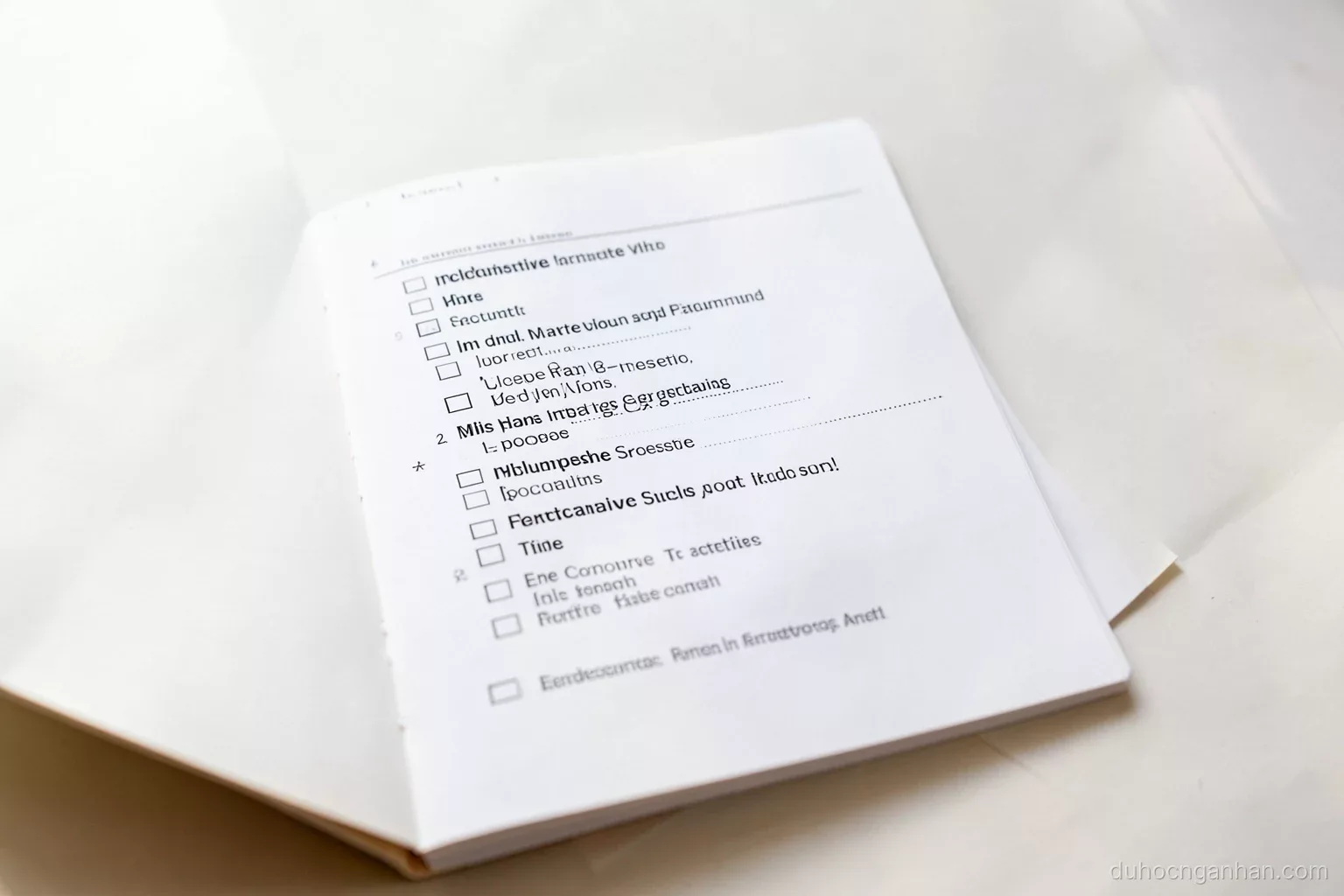
The table below gathers the most common items in a short programme abroad. Families can print it, send it to the organiser and ask them to fill in the second column.
| Item | Included, excluded or arranged by the family? | Follow-up question |
|---|---|---|
| Tuition, learning materials | Are there separate fees for the placement test, books or equipment | |
| Accommodation | How many to a room, is there a supplement for a smaller room | |
| Meals | Three meals every day, including weekends and excursion days | |
| Airport transfers | Which airport, what times, is there a supplement outside set hours | |
| Flights | Fare class, checked baggage, change conditions | |
| Insurance | Who buys it, what it covers, limits, whether sports are covered | |
| Visa, destination paperwork | Visa fees, fees for minors' documents, study permit | |
| Scheduled activities | Which activities have separate fees, e.g. swimming, horse riding, boating | |
| Weekend excursions | Compulsory or optional, entrance tickets, lunch on the trip | |
| Group leader | Is the group leader's cost built into the package or charged separately | |
| Laundry, uniform, amenities | How many washes a week, is there a uniform T-shirt, internet access | |
| Pocket money, room deposit | Does the camp hold money for children, is there a damage deposit |
A fully completed table is a better basis for comparison than any total. If an organiser does not want to fill it in, or leaves many cells blank, the family can treat the blanks as "unclear" and ask further before deciding.
Flights and insurance: the two most misunderstood items
Flights included in the package are not necessarily flights with the group. Some organisers book group tickets; some only provide an allowance for the family to book. If you book yourself, match the arrival time to the camp's pick-up time and ask who travels with your child on the flight.
Change and cancellation conditions matter more than the fare. Cheap group fares usually come with strict change conditions. If your child falls ill and has to come home early, or the schedule changes, who bears the cost of changing the ticket is a question to ask at the outset.
Is checked baggage included in the ticket? Some low fares do not include checked baggage. A four-week trip usually needs at least one checked suitcase; without it you pay extra at the airport counter.
"Insurance included" means looking at the actual policy. Ask for the insurer's name, the plan name, the medical expenses limit, whether sports and water activities are covered, whether it covers flying a relative out or bringing your child home, and the emergency assistance line.
Some countries or camps require their own insurance. The camp may insist on its own policy, or require a policy that meets a minimum level. Check in advance to avoid buying twice.
Destination fees and documents for minors
Some countries have their own procedures and fees for minors entering without their parents, or for foreigners on short courses. A familiar example for Vietnamese students learning English in the Philippines is the waiver for under-18s travelling without a parent and the short-term study permit; other countries have different rules. Fees and procedures change over time, so this part needs to be asked about for the specific session and checked against the destination's immigration authority.
What the family needs to know is who handles the paperwork, whether the fee is in the package or paid separately, and whether it is paid in Vietnam or on arrival. Fees paid on arrival are often forgotten, because they do not appear on the invoice in Vietnam but are collected directly by the camp in the first week.
On the Vietnamese side there are also documents for a child travelling with someone other than a parent, such as a letter of consent or authorisation from the parents. Airlines and immigration authorities may require different things at different times. The organiser should give specific guidance, and the family should double-check with the airline a few weeks before the flight.
Items that tend to "come up" once your child is abroad
Most disputes about costs do not come from the original figure but from items that appear while your child is at the camp. Ask in advance about the following situations:
- Optional excursions. Your child sees their roommate sign up and wants to go too. Who decides, does the camp ask the parents first, how is it paid.
- Doctor's visits before the insurer pays. Many clinics charge on the spot and the insurer reimburses later. Who pays upfront.
- Losing or damaging camp property. Room keys, access cards, learning equipment. Is there a deposit, how are deductions made.
- Changing the return ticket to come home early. Because of illness, homesickness or discipline. The cost of a new ticket, an accompanying adult, change penalties.
- Extra classes, private tuition. Some camps offer private evening lessons. Are they necessary, do they cost extra.
- Shopping and pocket money. Souvenirs, snacks, a phone SIM. Does the camp hold money for young children and keep a spending record.
Agree one principle with the organiser in advance: any extra cost above a certain amount must be checked with the parents first, except in a health emergency. This principle avoids most surprises.
Ask for the list in writing
What is said at a consultation is easily understood differently. The five steps below make sure every item is on paper before the family pays a deposit.
- Send the table above to the organiser and ask them to fill in every cell.
- Query any cell marked "varies" or "as incurred", and ask for an expected amount or the basis of calculation.
- Check the table against the draft contract; any item in the table that is not in the contract should be added as an appendix.
- Ask about the exchange rate and payment method if part of the cost is in foreign currency: when the rate is fixed, how many instalments.
- Keep the final version with the contract, and send a copy to the relative who will contact the organiser when the parents are busy.
The Du Học Ngắn Hạn advisory team sends this table to every family before signing, stating clearly which items are included, excluded and arranged by the family, so the family can compare it with any other programme they are considering.
Comparing two programmes with different lists
Once you have two completed tables, the comparison becomes much clearer. The first step is to bring the two tables onto the same basis: for each item one side includes and the other does not, estimate what the family would have to pay extra for the side without it. The second step is to compare the things that cannot be converted into money: real class hours, the supervision ratio, the type of room, whether there is a group leader.
Families usually find that the programme with the lower total is not necessarily cheaper once all the excluded items are added; and the programme with the higher figure sometimes covers things the family would have had to buy anyway. The opposite also happens: the more expensive programme covers things the family does not need, such as long excursions for a child who gets travel sick.
The most important thing is that the family knows what it is paying for. A programme that is clear about its list, even if it is not cheap, is usually clear about other things too, from the itinerary to how incidents are handled.
A small tip when comparing: mark separately the items the family knows it will use, the items it might use and the items it does not need. Only add the first group and part of the second to the real cost. This helps avoid two opposite mistakes: choosing a cheap package and then being charged for many compulsory extras, or choosing an expensive package because it covers many things your child never uses. It is also wise to set aside a contingency for the extra situations listed above, because almost every trip has at least one unplanned cost.
Frequently asked questions
Does an all-inclusive programme include flights?
It depends on the organiser. Some include return group flights; some only cover costs at the camp and leave the family to book flights. Ask about the fare class, checked baggage, change conditions and who travels with your child before comparing.
Should we buy our own insurance instead of using the organiser's policy?
You can, if your own policy meets the requirements of the camp and the destination country and covers the activities your child will take part in. Read the exclusions, the medical expenses limit and the repatriation benefit carefully. Before buying, send the policy details to the organiser so they can check with the camp.
In what form should my child take pocket money?
For young children, many camps hold money and hand it out weekly. For older students, a combination of a little local cash and a low-limit card is usually convenient. Agree in advance with your child on a weekly spending amount and how to tell you when money runs out.
Which costs are most often forgotten?
The most often forgotten are paperwork fees paid on arrival, optional excursions, doctor's fees paid upfront, out-of-hours transfer supplements and baggage fees. The table in this article helps the family ask about all of these from the start.
What if the organiser said "all-inclusive" and then charges extra?
Check the extra charge against the table and the signed contract. If the item was listed as included, the family has grounds to refuse or complain. If it was not stated clearly, talk to the organiser directly and ask for a written explanation. That is why you should get the list before paying a deposit.
Should we choose the programme with the most items included?
Not necessarily. A package that covers a lot is convenient for busy families, but it may include things your child does not need. What matters is that the package matches the real needs of your child and the family, and that every item is clearly stated.